





Myth: A Blockbuster Launch Means AI Victory
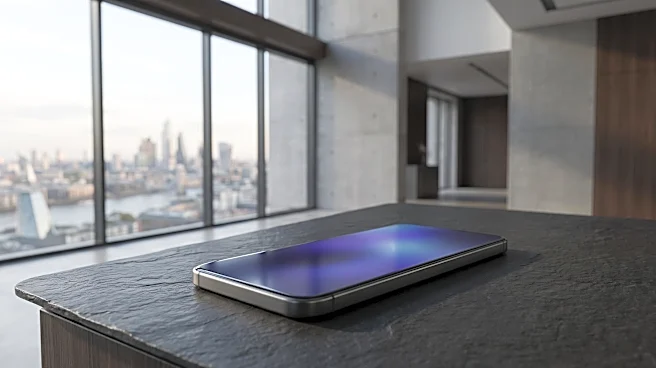
The common wisdom goes like this: if Apple sells tens of millions of its new, pricey iPhone 18 Pro and foldable Ultra models, its new AI platform is an instant hit. After all, these devices are the primary gateway to Apple Intelligence. Projections of 80
million new iPhones and a potential $1,249 price tag for the Pro model certainly paint a rosy picture of demand. The logic seems sound—people are buying the hardware, so they must be buying into the software. But this line of thinking mistakes access for adoption, treating every iPhone buyer as an enthusiastic AI user. The reality is that people upgrade their phones for countless reasons: a better camera, a faster chip, status, or simply because their old one is slowing down. The presence of Apple Intelligence might be a bullet point on the box, but it’s not necessarily the closer.
Reality: Hardware Is the Starting Gun, Not the Finish Line
A sold-out launch weekend for the new iPhones is great for Apple's bottom line, but it’s a vanity metric when it comes to judging a new software ecosystem. The real test isn't how many people can use Apple Intelligence, but how many people do. The platform is a collection of features woven into iOS, from smarter writing tools to a revamped Siri. Success isn't measured by a one-time purchase but by a fundamental shift in user behavior. Apple needs its AI to become indispensable, not just available. Just because a feature exists doesn't mean it's being used. Remember 3D Touch? It was a hardware-enabled feature that most users either ignored or forgot about. For Apple Intelligence to avoid a similar fate, it has to prove its value through daily, repeated use.
Reality: Engagement and Adoption Are the Real KPIs
Instead of shipment volumes, the metrics that truly define the success of an AI platform are user engagement and adoption rates. Analysts and developers will be watching for signals like the percentage of eligible users who activate the AI features, the frequency of use, and the length of interaction sessions. Are users adopting AI-powered suggestions in Mail and Messages? Are they using the new image generation tools? How often are they turning to the overhauled Siri for complex tasks? These are the key performance indicators (KPIs) that reveal whether the AI is a gimmick or a game-changer. A high rate of users accepting AI recommendations or a low rate of overriding its suggestions would be a powerful sign of trust and utility. That's the data that will tell the real story long after the launch-day hype has faded.
Reality: The Developer Ecosystem Is the Ultimate Barometer
No platform can thrive as an island. The long-term viability of Apple Intelligence hinges on third-party developers. Its success won't be cemented by Apple's own apps, but by an explosion of creativity from other developers building AI features into their own software. The iPhone's dominance wasn't just about the hardware; it was about the App Store. Likewise, the true test for Apple's AI is whether it becomes a foundation that other businesses build upon. Tracking the number of deployed models and apps that integrate with Apple's AI will provide a crucial measure of its impact on the wider tech landscape. If developers flock to it, Apple creates a powerful, defensible moat. If they don't, Apple Intelligence risks becoming a walled garden with limited appeal.
Reality: It’s a Multi-Year Marathon, Not a Sprint
Finally, judging Apple Intelligence on launch-quarter iPhone sales is like calling the winner of a marathon in the first mile. Establishing a new computing paradigm is a long game. Apple is not just trying to sell more phones in 2026; it's laying the groundwork for the next decade of personal computing. The initial rollout of Apple Intelligence is just step one. Hardware requirements already segment the user base, with the most powerful on-device models limited to the newest Pro phones with more memory. This strategy suggests a gradual, multi-year deployment. The ultimate goal is to embed AI so deeply into the user experience that it becomes a primary reason to stay within Apple's ecosystem. That kind of lock-in doesn't happen overnight. It's built through years of consistent performance, proven utility, and growing user trust.