






Computational Audio: The Brain Behind the Sound
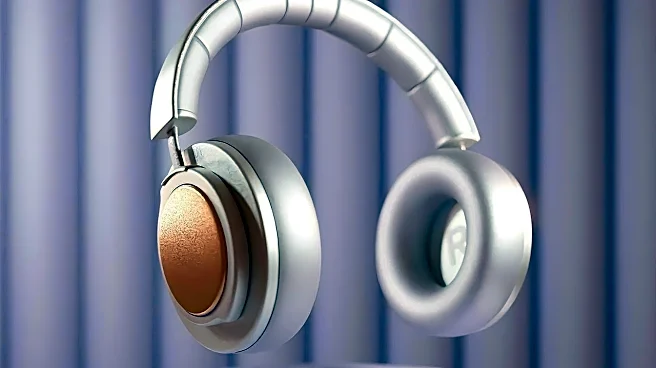
The single biggest feature you won't find on a spec sheet is computational audio. Each ear cup of the AirPods Max has a powerful Apple-designed H1 chip (or H2 in the newest models) that acts like a real-time sound engineer. This isn't about raw power,
but intelligence. The chip runs advanced software to process audio hundreds of times per second. It powers everything from noise cancellation to Adaptive EQ, constantly adjusting the sound profile based on your environment and how the headphones fit. While another brand might list a larger driver, Apple’s computational approach aims to perfect the sound that actually reaches your eardrum, making a spec-for-spec comparison misleading.
Adaptive EQ: Audio Tailored to Your Head
Most headphones have one sound profile. The AirPods Max have a sound profile that's constantly being tailored just for you. An inward-facing microphone measures what you’re actually hearing. The computational audio system then uses this information to adjust the low and mid-frequencies in real time, accounting for variations caused by the seal of the ear cushions. Whether you’re wearing glasses, have your hair in the way, or just shifted the headphones slightly, Adaptive EQ works to deliver a consistent and rich audio experience. It ensures the sound is faithful to the original recording, regardless of minor changes in fit, a subtle but critical feature no spec sheet can quantify.
Spatial Audio: A Private Cinema for Your Ears
While 'Spatial Audio' is a listed feature, its profound effect is often undersold. It’s more than just virtual surround sound. Using built-in gyroscopes and accelerometers, the AirPods Max track the motion of your head and anchor the sound to your device. If you're watching a movie on your iPad and turn your head to the left, the sound of dialogue will still feel like it's coming directly from the screen. This creates an incredibly immersive, theater-like experience that makes content more engaging. For music mixed in Dolby Atmos, the effect is similarly transformative, placing you in the center of the song. It’s an experience, not a number, and a key reason users feel the audio quality is a leap forward.
Seamless Device Switching: The Unsung Hero
For anyone living in the Apple ecosystem, this is a killer feature that has nothing to do with audio specs. AirPods Max can automatically switch between your iPhone, iPad, Mac, and Apple Watch. If you're listening to a podcast on your Mac and a call comes in on your iPhone, the headphones switch over instantly without you touching a button. When the call ends, they switch back. This seamless integration removes a major point of friction that users of other Bluetooth headphones face daily. It’s a quality-of-life feature that transforms the headphones from a simple accessory into an integral part of your personal tech environment.
Transparency Mode: Better Than Being There
Nearly all high-end headphones now offer a Transparency Mode to let you hear your surroundings. However, the quality varies wildly. Apple’s implementation is widely considered the gold standard because it sounds astonishingly natural. Instead of the tinny, digitized audio common in other headphones, the AirPods Max process external sounds so cleanly that it often feels like you aren't wearing headphones at all. This makes it practical for extended wear in an office or for having quick conversations without ever taking them off. This superior processing quality is a direct result of the powerful chips and sophisticated microphone array—elements whose true performance is impossible to gauge from a simple features list.