
The Simple Promise: A Smart Home Without Headaches
From a user's perspective, Thread is designed to be invisible. You buy a Thread-compatible light bulb or motion sensor, scan a code with your phone, and it joins your home network. There are no proprietary
hubs to plug in for every different brand, and devices respond almost instantly. Because it's a low-power technology, battery-operated sensors can last for years instead of months. If a device suddenly goes offline, the network doesn't collapse. This experience is the result of a deliberate effort to solve the biggest headaches of older smart home protocols like Zigbee and Z-Wave, which often required dedicated gateways and could be prone to failure. The goal is a reliable, secure, and simple network that feels as effortless as connecting to Wi-Fi.
Under the Hood: A Mesh That Thinks for Itself
The first layer of hidden complexity is Thread's self-healing mesh network. Unlike a traditional Wi-Fi setup where every device connects back to a central router, a Thread network allows devices to talk to each other. Mains-powered devices like smart plugs and light fixtures act as 'routers' in this mesh, passing messages along for their neighbors. If you unplug a lamp that was helping a sensor in the corner of the room connect, the network doesn't panic. It automatically reroutes the sensor's traffic through another nearby device. This distributed system eliminates the single point of failure common in older hub-based networks; if one node fails, the rest of the network intelligently adapts. This constant, autonomous management of routes and connections is a complex dance of signals that happens entirely behind the scenes.
Why Every Light Bulb Needs an Internet Address
Here’s where it gets really clever. Thread is built on IPv6, the same fundamental protocol that powers the global internet. This means every single device on a Thread network—from your thermostat to the tiniest door sensor—gets its own unique IP address. This is a huge departure from older protocols like Zigbee, which used their own private addressing systems that required a gateway to translate everything for your home network. By speaking the native language of the internet, Thread devices can communicate directly with other IP-based products and services without a middleman. This design choice dramatically simplifies interoperability and is a key reason why major platforms from Apple, Google, and Amazon have embraced it. It future-proofs the system, ensuring today's devices can participate in tomorrow's internet.
The Unsung Hero: The Border Router
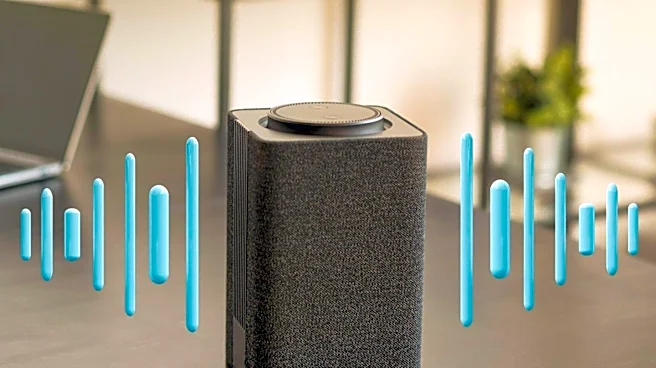
While Thread eliminates the need for brand-specific hubs, it does require one crucial component: a Thread Border Router. This isn't a new box you have to buy; the functionality is built into devices you might already own, like a modern Apple HomePod, Google Nest Hub, or Amazon Echo. The Border Router acts as a bridge between the low-power Thread mesh network and your home's high-speed Wi-Fi network. It handles the complex job of securely passing information back and forth, allowing you to control your Thread devices from your phone (which is on Wi-Fi) and enabling them to connect to the internet for updates or remote access. This specialized device shoulders the networking burden so that the tiny, battery-sipping sensors don't have to.
The Final Piece: Working Hand-in-Glove with Matter
Finally, you can't talk about Thread's complexity without mentioning Matter. The two are often confused, but they have distinct jobs. Think of it this way: Thread is the road system—a reliable, efficient network for devices to communicate over. Matter is the universal language that all the cars on that road agree to speak. Matter is an application layer standard that dictates what devices say (e.g., 'turn on,' 'report temperature'), while Thread handles how that message gets there. Thread's IP-based foundation makes it a perfect network for Matter to run on. The seamless experience promised by the smart home of the future relies on both of these complex systems working together perfectly, creating a user experience that is, by design, beautifully simple.