






Beyond the Hype: What Are Smart Glasses Now?
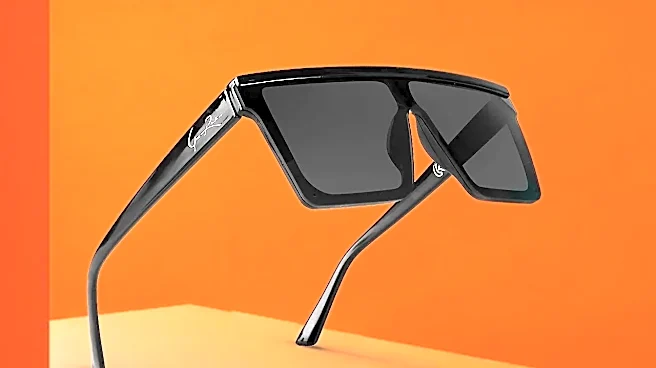
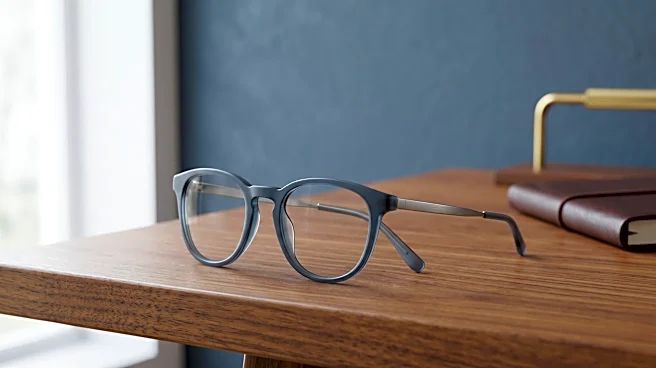
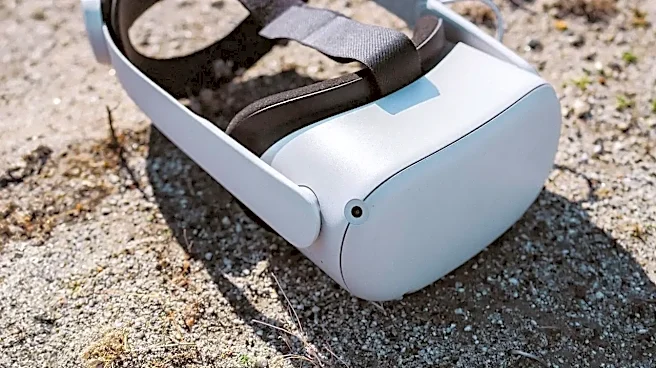
When you hear “smart glasses,” you might picture bulky, awkward headsets from a decade ago. But the reality in 2026 is far more subtle. Today’s leading models, like the popular Ray-Ban Meta glasses, are designed to be indistinguishable from standard eyewear.
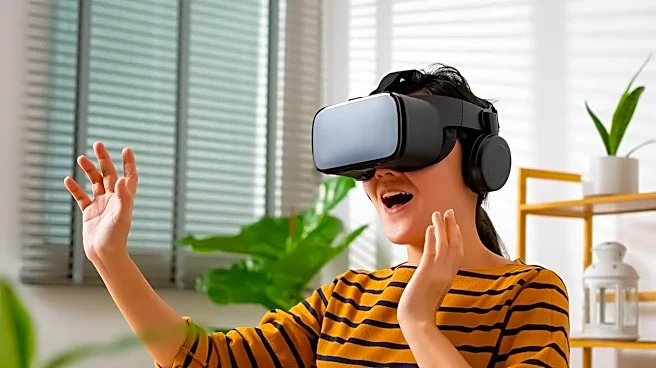
They blend high-fashion frames with integrated technology, including cameras, microphones, and sometimes even small, discreet in-lens displays. The goal isn't to pull you into a virtual world, but to subtly augment your reality. Think of them not as a screen on your face, but as a seamless assistant that keeps your phone in your pocket and your hands free.
Your Newest Productivity Tool at Work
One of the most significant shifts for smart glasses is their move into the professional world. They are no longer just a consumer gadget but a powerful tool for productivity. For a technician in the field, they can display schematics or connect them with a remote expert, all while keeping their hands on the job. In a global business meeting, they can provide real-time language translation. For busy professionals, they offer a way to manage notifications, messages, and calls without constantly glancing at a phone or watch. Some models are even rolling out features like a discreet teleprompter, allowing you to reference notes during a presentation without breaking eye contact. This transition from novelty to utility is making them an indispensable asset in various industries.
A Game-Changer for Accessibility
Perhaps the most compelling case for smart glasses has little to do with convenience and everything to do with independence. For people with visual or hearing impairments, this technology is nothing short of revolutionary. Built-in AI can describe surroundings, read text from a menu or a document, and even identify objects for users with low vision. Features like live captioning can transcribe conversations in real-time, displaying them discreetly inside the lens. Some platforms even allow users to place a video call to a sighted volunteer for immediate assistance. This isn't just an incremental improvement; it's a profound leap forward in making the world more accessible.
The Convenience of a Hands-Free Life
Beyond work and accessibility, smart glasses offer a level of everyday convenience that frees you from your screen. Imagine getting turn-by-turn walking directions without looking down at a map, or capturing a photo of a fleeting moment with a simple voice command. For parents, creators, and travelers, the ability to record high-quality, first-person video hands-free is a significant draw. The integrated open-ear audio allows you to listen to music or podcasts while remaining fully aware of your surroundings—a key safety feature for city dwellers. It's about small, seamless interactions that give you back time and attention, letting you stay present in the moment rather than buried in a device.
The Unavoidable Privacy Question
Of course, it's impossible to discuss smart glasses without addressing the elephant in the room: privacy. The ability to covertly record video and audio is a legitimate concern, and it has not gone unnoticed. Law enforcement agencies have raised alarms about their potential for misuse in secure facilities. To combat this, manufacturers have implemented safeguards, like a mandatory, visible LED light that indicates when the camera is recording. However, debates continue about whether this is enough to ensure bystander consent. The public and tech companies are currently navigating this new social contract, balancing the immense potential of the technology with the fundamental right to privacy.