






AI's Insatiable Thirst for Power
The artificial intelligence revolution runs on electricity—and it is incredibly thirsty. According to recent estimates from Gartner, data center electricity consumption is expected to jump by 26% in 2026 alone, with AI-optimized servers driving that surge.
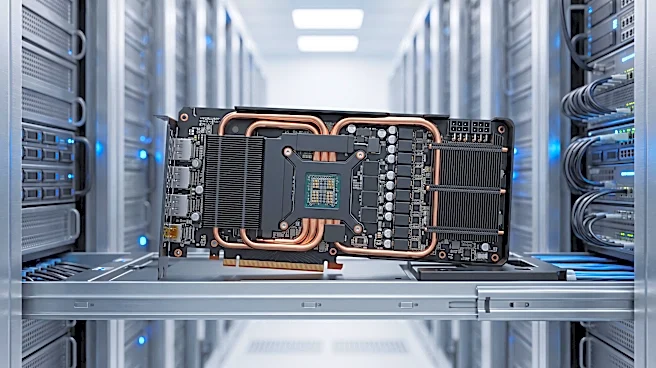
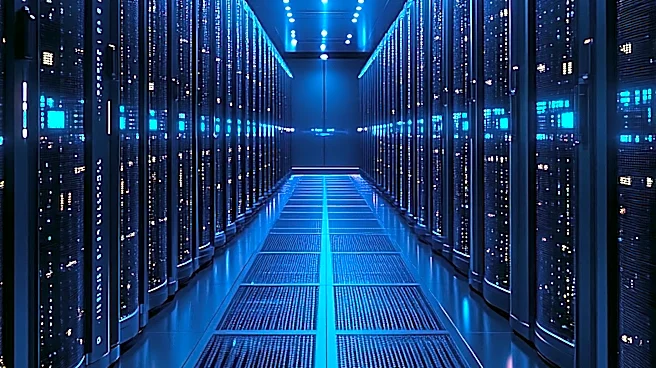
By 2030, some projections suggest data centers could consume up to 15% of all electricity in the United States. To put that in perspective, a single large-scale AI data center can demand over 100 megawatts (MW) of power, equivalent to the amount needed for roughly 100,000 homes. This explosive growth in energy demand is quickly shifting the conversation in Silicon Valley and beyond. While the hunt for advanced GPUs dominated headlines in 2024 and 2025, leaders like Elon Musk now argue that the primary limiting factor for AI is electricity. The industry is building more AI chips than the grid can actually support.
A Problem Money Can't Immediately Solve
The key difference between the GPU shortage and the power crunch is time. Manufacturing capacity for semiconductors can be scaled within a couple of years by building new fabrication plants. In contrast, building new power infrastructure is a monumental task bogged down by regulation, permitting, and construction timelines that stretch for years, if not decades. A new natural gas plant might take three to five years to come online, while new transmission lines to carry that power face lengthy environmental reviews. In hotspots like Northern Virginia, known as 'Data Center Alley', some utilities have told developers they simply can't connect new facilities for years due to a lack of capacity. This has created a fundamental mismatch: companies can build a data center in 18 to 24 months, but the wait for a grid connection can be seven years or longer in some U.S. hubs.
Going 'Behind the Meter'
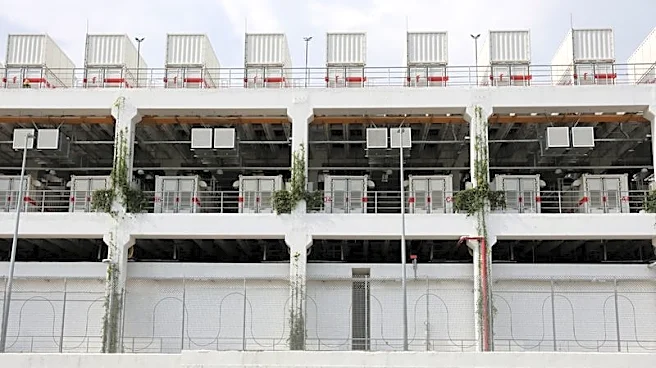
Unable to wait for public utilities to catch up, major tech companies are taking matters into their own hands. A new trend has emerged of building 'behind-the-meter' power plants dedicated solely to a data center, bypassing the public grid entirely. A 2026 report from Cleanview identified a massive spike in these private power projects, with nearly every major hyperscaler, including Meta, Microsoft, and Amazon, pursuing them. These aren't just small backup generators; some projects involve building dedicated natural gas plants, with plans to eventually incorporate small modular nuclear reactors (SMRs). Elon Musk's xAI famously trucked in mobile gas turbines to power its 'Colossus' supercomputer in Memphis, while Meta is building its own gas plants in Ohio and Texas. This drastic step highlights the urgency: the revenue from an operational AI cluster is so immense that waiting for a grid connection means leaving billions of dollars on the table.
The New Competitive Frontier
This power struggle is reshaping the AI landscape. The ability to secure a reliable, massive source of electricity has become a critical competitive advantage, arguably more important than just having a purchase order for the latest chips. The challenge is also creating tensions with the public. In states like Virginia, the enormous power draw from data centers is being linked to rising residential electricity bills as utilities invest in new infrastructure to meet the demand. Grid operators are now grappling with how to fairly allocate these costs. Looking ahead, the race for AI dominance will be fought not only in the labs of Silicon Valley but also on the front lines of energy development. Companies are striking massive deals for solar, wind, and even nuclear power. As OpenAI CEO Sam Altman has acknowledged, a future powered by AI requires a revolution in clean energy production, particularly a rapid move toward nuclear and renewables. The ultimate winners in AI may not be those who just build the smartest models, but those who figure out how to power them.