





The Company We Thought We Knew
To understand the shift, you have to remember what Square was. Founded in 2009 by Jack Dorsey and Jim McKelvey, it solved a simple, elegant problem: allowing small businesses and individuals to accept credit card payments on their smartphones. The iconic
square-shaped reader was a symbol of accessible commerce, empowering artisans, food trucks, and independent retailers. Its ecosystem grew to include business software and banking services, while its consumer-facing Cash App became a peer-to-peer payment giant. By any measure, Square was a massive success, a fintech darling that had cemented its place in the mainstream economy.
The Real Decision: A Bet on Bitcoin's Future
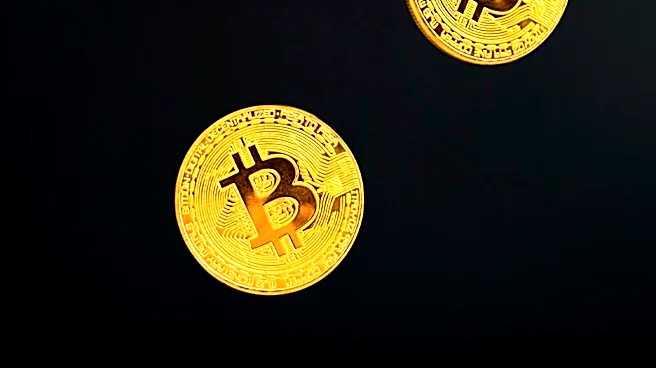
The hidden decision wasn't the name change itself, but the philosophical pivot it represented: a company-wide, all-in bet that Bitcoin would become the native currency of the internet. This wasn't just about adding a 'buy Bitcoin' button to Cash App. It was a fundamental strategic reorientation. Jack Dorsey, having recently stepped down as CEO of Twitter to focus his energy, saw a future where finance was decentralized. He decided that his payments company needed to not only participate in this future but actively build its foundations. Changing the corporate name from Square to Block in late 2021 was merely the public announcement of a decision made long before in strategy meetings. The new name acknowledged the company's growth beyond a single product and gestured toward blockchain, the technology underpinning Bitcoin.
Restructuring Around a Philosophy
This was more than just branding. The company was reorganized into an ecosystem of distinct but connected 'building blocks'. The original merchant business kept the name Square. Cash App continued its focus on consumer finance. But new, crypto-centric divisions were given prominence. Square Crypto was renamed Spiral, dedicated to funding open-source Bitcoin projects. A new unit, initially called TBD, was created to build an open developer platform for easier access to Bitcoin. This structural shift sent a clear message to employees, investors, and the world: the company's future growth was inextricably linked to the success and adoption of a decentralized financial system.
How the Bet Is Playing Out
This new philosophy helps explain subsequent moves that might otherwise seem disconnected. The massive acquisition of Afterpay, a 'buy now, pay later' service, wasn't just about adding a feature; it was about connecting Block's two major ecosystems—Square's sellers and Cash App's consumers—creating a powerful network effect that could one day operate on new financial rails. The company also began putting its money where its mouth was, investing directly in Bitcoin for its corporate treasury and developing its own Bitcoin mining chips and self-custody hardware wallets. The decision reshaped Block from a simple, profitable payments processor into a far more complex, ambitious, and riskier entity—a vertically integrated financial services and technology company betting on a paradigm shift.