


The Chip Is Just the Down Payment
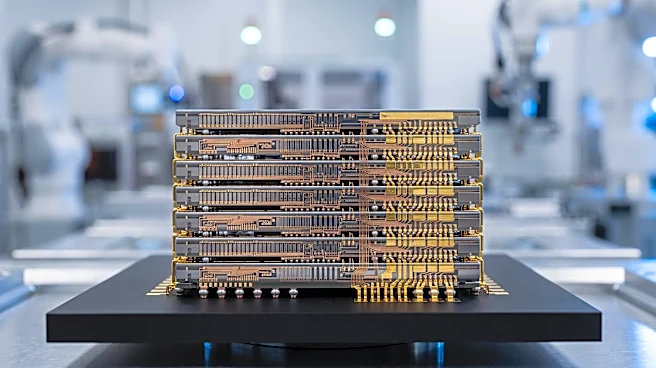
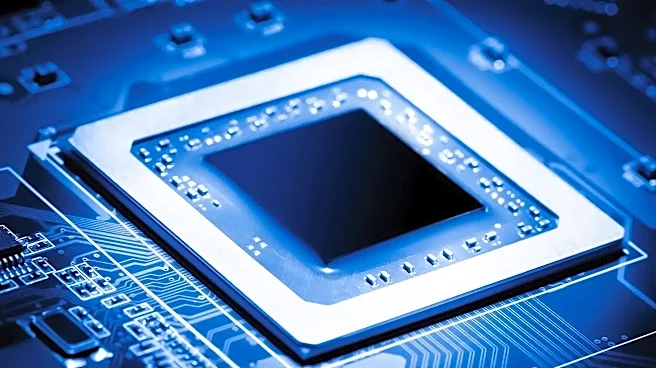
It’s easy to focus on the cost of the GPUs themselves. Nvidia’s latest chips, like the H100 or the newer Blackwell B200, can cost anywhere from $30,000 to $50,000 per unit. A complete, pre-built server rack from Nvidia, like the GB200 NVL72, can run up
to $3 million. But thinking this is the main expense is like believing the engine is the total cost of a car. These chips are just the price of admission. A large-scale AI data center requires thousands of these GPUs working in unison, which means the hardware capital expenditure quickly scales into the hundreds of millions or even billions of dollars. Yet, even that staggering sum accounts for only a fraction of the total cost of ownership over the facility's lifespan.
The Unquenchable Thirst for Power
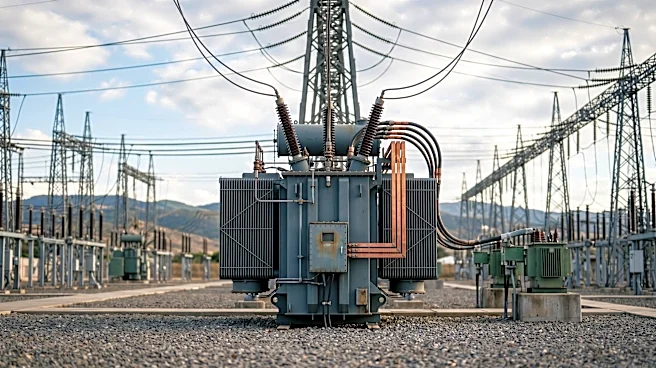
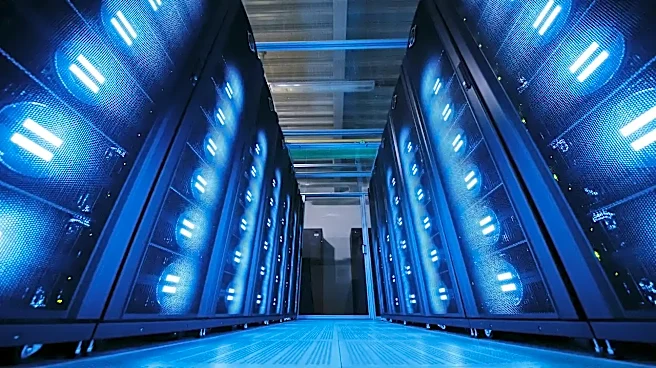
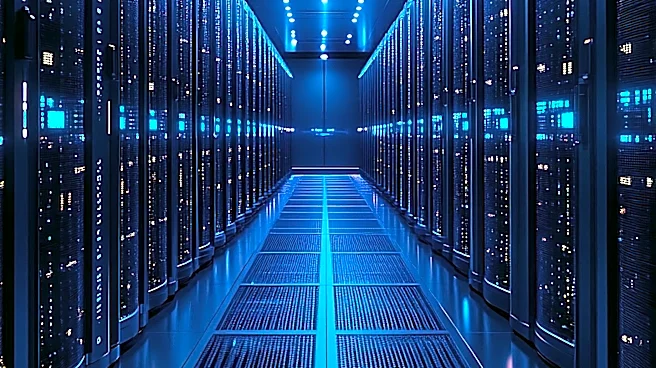
The single biggest 'hidden' cost is electricity. AI data centers are voracious energy consumers. A single gigawatt-scale data center, which is becoming the new standard for serious AI development, can consume as much power as a city of three million people. The International Energy Agency (IEA) projects that electricity consumption from data centers could nearly double between 2024 and 2030, driven almost entirely by AI workloads. This immense demand puts a strain on local power grids, with some areas near data center hubs seeing wholesale electricity prices spike. The costs don't just hit the tech companies; they are often passed on to residential customers, contributing to rising household utility bills across the country.
The Cooling Conundrum
All that electricity generates an enormous amount of heat. Keeping tens of thousands of GPUs from overheating is a monumental engineering challenge and a massive operational expense. For every dollar spent on powering the servers, another significant chunk is spent on cooling them. This is measured by a metric called Power Usage Effectiveness (PUE), where a perfect score is 1.0. While modern data centers have become more efficient, with PUEs around 1.1 to 1.3, the sheer scale of AI power consumption means cooling costs remain immense. Beyond electricity, there's also the cost of water. Many cooling systems use water, and last year, data centers consumed over a trillion gallons to keep from overheating, putting a strain on local resources, especially in water-stressed regions.
Land, Logistics, and Labor
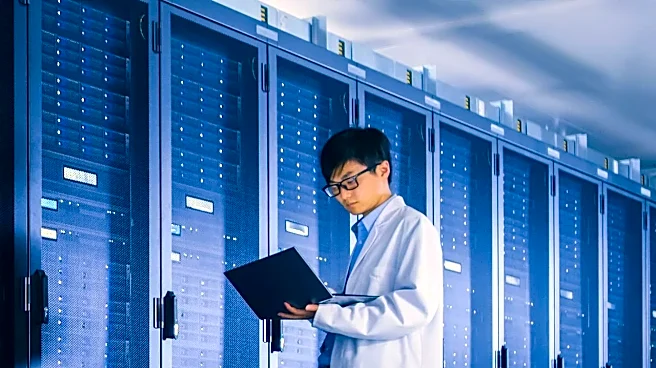
An AI data center isn't just a warehouse; it's a highly specialized industrial facility. Finding the right location is a battle in itself. Companies need vast tracts of land that are not only affordable but, more importantly, have direct access to massive amounts of power and fiber-optic networks. This has created a real estate rush in places like Northern Virginia, the world's largest data center market, driving up land prices. Furthermore, these facilities require specialized construction and a workforce of highly skilled engineers and technicians to operate and maintain the complex systems of servers, networking gear, and cooling infrastructure. These lifecycle costs, from construction to ongoing maintenance and personnel, add another significant layer to the overall economic footprint.