





The Great Fragmentation Problem
If you have ever tried to set up a smart home, you have likely felt the frustration of the 'walled garden.' In the early days of the connected home, manufacturers were essentially building fortresses. One company would make a brilliant smart bulb that
only worked with their specific app; another would make a thermostat that played nicely with a different ecosystem. This fragmentation meant that instead of a seamless, automated home, users ended up with a cluttered smartphone filled with ten different apps just to turn off the lights and lock the front door. The dream of a cohesive, intelligent living space was constantly being sabotaged by proprietary tech silos that refused to communicate.
Matter: The Universal Translator
This is exactly why Matter was created. It is not a new piece of hardware or a new way to connect to the internet, but rather a common language. To understand this, think about a telephone call. The telephone network (like Wi-Fi or Bluetooth) is the medium that carries the sound, but the language being spoken is what actually allows the two people to understand each other. Matter acts as that shared language. It provides a set of universal rules that allow a smart lamp from one brand to talk to a motion sensor from another, and a voice assistant from a third, without any digital friction. It is the bridge that allows different ecosystems to finally shake hands.
Breaking the Monopoly on Choice
The most profound reason Matter was designed this way is to shift power from the manufacturer back to the consumer. In the old model, you were often forced to stick with one brand because switching meant replacing every single device in your house. You were essentially locked into a single company's roadmap. Matter changes the math. Because devices are now judged by what they do rather than which brand they belong to, you can pick the best sensor for your needs, the most stylish light for your kitchen, and the most secure lock for your door, knowing they will all play nicely together. It reduces the risk of being stuck with a manufacturer that stops updating their software or fails to innovate.
The Heavy Hitters are All In
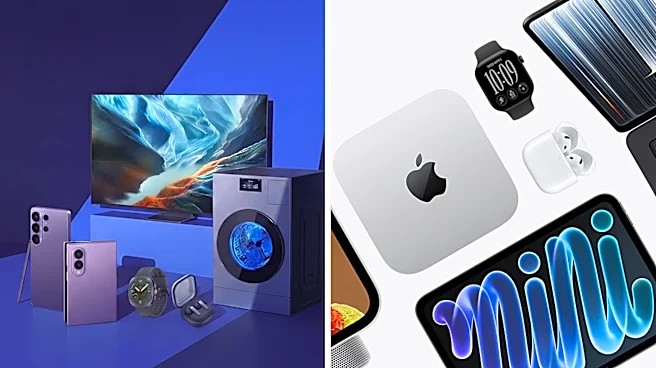
A standard is only as good as the people who use it. What makes Matter particularly significant is that it isn't just a niche project; it is backed by the Connectivity Standards Alliance, which includes the biggest names in tech: Apple, Google, Amazon, and Samsung. When these giants agree to use the same basic communication rules, the walls of the walled gardens begin to crumble. This collective agreement is what allows a Google Home app to manage a Nest device alongside third-party hardware seamlessly. It turns the smart home from a collection of isolated gadgets into a unified, intelligent system.