



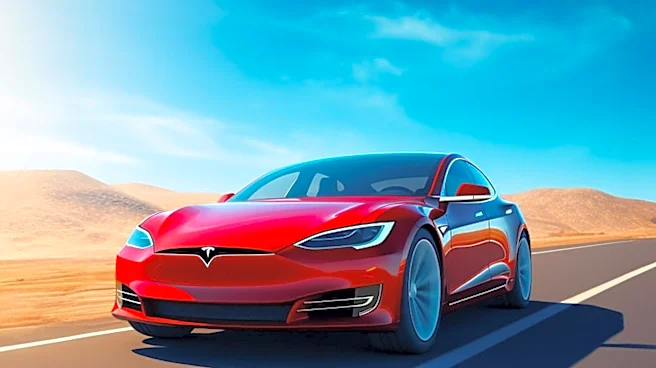


It sounds like business suicide: creating a product so popular it becomes a bestseller, then intentionally killing it. Yet, this is a core part of Tesla's playbook, a move that reveals everything about its ruthless focus on the long game.
Identifying the 'Victims'
This isn't about
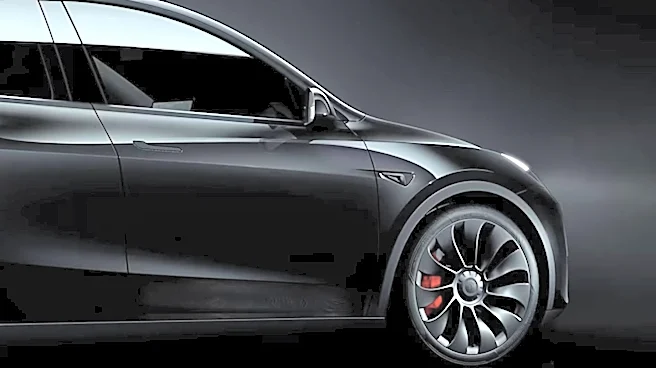
one car. It's a recurring strategy. The most famous early example was the $35,000 Model 3. Promised for years, it finally arrived but was quickly made an 'off-menu' item, difficult for customers to order before vanishing completely. More recently, the pattern repeated with the entry-level, rear-wheel-drive (RWD) Model Y, which was the most affordable version of the world's best-selling car before it was removed from Tesla's U.S. website. In both cases, Tesla took its highest-volume, most accessible product and made it unavailable. To an outsider, it looks like a company actively turning away sales. But for Tesla, it’s about pruning the product tree to make the whole enterprise stronger.
The All-Important Profit Margin
The simplest reason is also the most important: profit. Lower-priced base models have thinner profit margins. Every time a customer chooses the cheapest option, Tesla makes less money than if they had bought a Long Range or Performance version. By eliminating the entry-level trim, Tesla effectively forces interested buyers up the price ladder. A customer who was ready to buy a base Model Y now has to stretch for the more expensive All-Wheel Drive model. This practice, known as margin accretion, is critical for a company valued on its ability to maintain profitability while scaling. Even if it means selling slightly fewer cars overall, the higher profit per vehicle makes the trade-off worthwhile from a financial perspective.
Simplifying to Build Faster
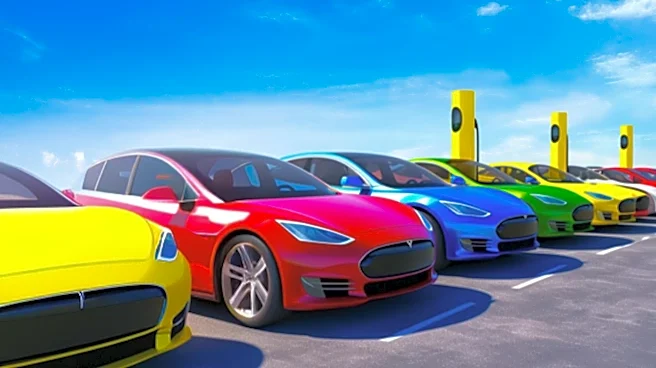
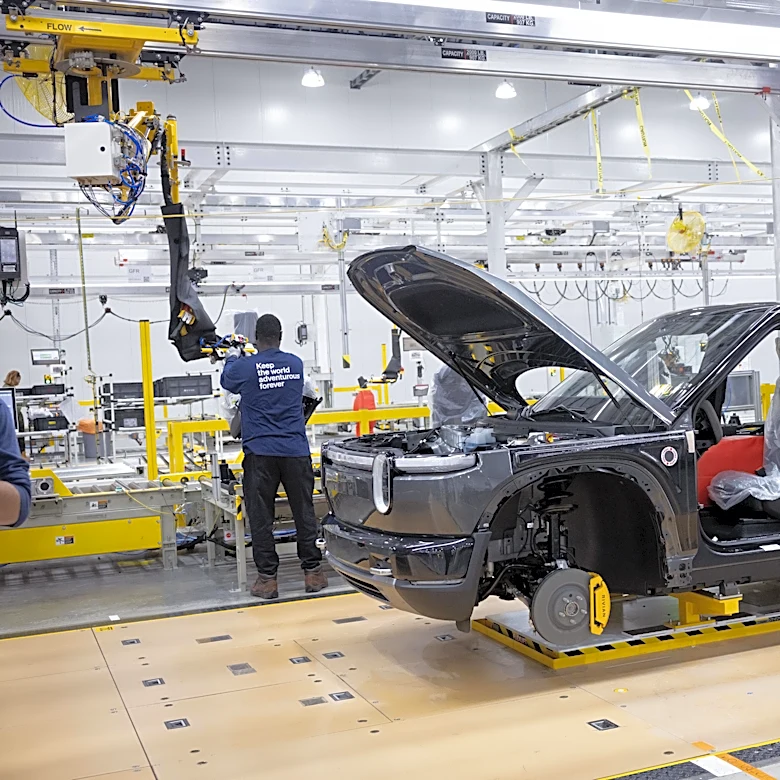
Tesla's manufacturing philosophy is famously inspired by Henry Ford's 'any color as long as it's black' efficiency. Fewer variations on the assembly line mean faster production, lower costs, and fewer chances for error. Supporting multiple battery packs, interior trims, and drivetrain configurations adds complexity that slows everything down. By culling the cheapest model, Tesla streamlines its entire production and supply chain. This obsession with simplification allows the company to ramp up production of its more profitable models and maintain its operational speed, a key advantage over legacy automakers who often offer dozens of confusing configurations for a single model.
Protecting the Premium Brand
There's a delicate balance between being accessible and being aspirational. While Tesla's mission involves accelerating the world's transition to sustainable energy, it has also built a powerful brand associated with premium performance and cutting edge technology. If the market becomes saturated with low cost Teslas, it risks diluting that premium image. Killing the cheapest models is a form of brand protection. It ensures that owning a Tesla remains a status symbol, preventing it from being perceived as just another mass market car. This move steers the brand away from direct price competition with a growing number of budget friendly EVs, particularly from Chinese manufacturers, and keeps it firmly in the premium tech category.