



The term 'AI phone' is everywhere, but what does it actually mean? With every brand promising a smarter device, it’s easy to get lost in the hype. Here’s how to cut through the noise and avoid the most common pitfalls when buying a new phone.
1. Falling for the 'AI' Buzzword
The single
biggest mistake is buying a phone for 'AI' without defining what that means for you. Artificial intelligence isn't a single feature; it's a broad category of technologies that power everything from camera scene detection to real-time translation. Some phones are marketed as 'AI-powered' for features that have been standard for years, like predictive text or photo filters. Instead of chasing the label, identify the specific AI functions you will actually use. Do you need on-the-fly language translation, advanced photo object removal, or the ability to summarize your meetings? Focus on the practical problems the phone solves for you, not the marketing buzzword on the box.
2. Ignoring On-Device vs. Cloud AI
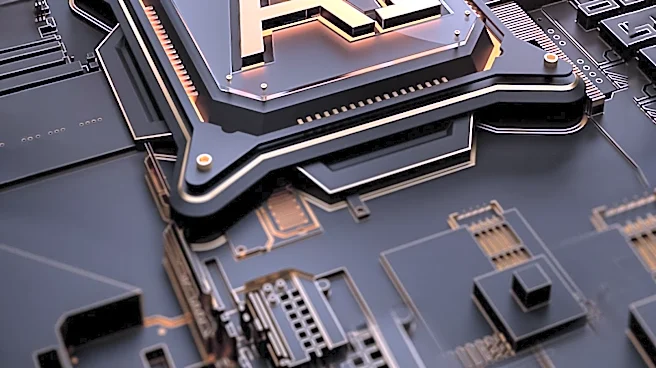
Not all AI is created equal. The distinction between on-device and cloud-based AI is crucial for performance, privacy, and usability. On-device AI, processed by a dedicated Neural Processing Unit (NPU) on the phone's chip, is faster, works without an internet connection, and keeps your data private because it never leaves your handset. This is ideal for tasks like live translation or quick photo edits. Cloud AI sends your data to a remote server for more complex tasks, like generating images or summarizing long documents. This requires a stable internet connection and raises privacy considerations. A phone that relies heavily on the cloud for its 'smart' features may feel less responsive and could even incur subscription costs down the line.
3. Obsessing Over Spec Sheet Numbers Like TOPS
Marketers love big numbers, and in the world of AI phones, that number is TOPS (Trillions of Operations Per Second). This metric measures the theoretical peak performance of a phone's NPU. While a higher TOPS number indicates more raw processing power, it doesn't tell the whole story. Real-world AI performance depends more on software optimization and how well an app can actually use that power. A phone with a lower TOPS rating but superior software integration can often provide a better user experience. Instead of comparing TOPS figures, look at demonstrations of the features that matter to you. A smooth, useful feature is more valuable than a higher number on a spec sheet.
4. Overlooking the Power of the Ecosystem
An AI feature is only as good as its integration with the apps and services you use every day. Apple Intelligence, for example, shines because it is deeply woven into the iOS, iPadOS, and macOS ecosystems. Similarly, Google's AI tools are most powerful when they can access your Gmail, Calendar, and Photos to provide context_aware assistance. Before you buy, consider how the phone's AI will interact with your digital life. A powerful summarization tool is less useful if it can't read the document you have open. The most effective AI experiences are often the ones that work seamlessly across your most_used applications, making the entire ecosystem feel smarter.
5 . Forgetting the Smartphone Fundamentals
No amount of artificial intelligence can make up for a poor -quality screen , a frustrating user interface , or a battery that dies by midday . It 's easy to get distracted by flashy AI demonstrations and forget that you 're buying a phone first and foremost . All the basics still apply : Is the phone comfortable to hold ? Is the display bright and readable outdoors ? Does the camera take great photos in the conditions you shoot in most often ? Do you have enough storage ? AI features are a bonus , but they shouldn 't be the only reason you choose a device . A great 'AI phone ' must first be a great phone .
6 . Ignoring the Software Update Policy
AI technology is evolving at a breakneck pace . The cutting -edge features of today will be standard tomorrow . This makes a manufacturer 's software update commitment more important than ever . A phone with a strong update policy — often seven years of OS and security updates for flagship devices — is more likely to receive new and improved AI features long after you 've bought it . These updates not only deliver new capabilities but also patch security vulnerabilities and ensure compatibility with the latest apps . A phone with a weak update promise may have its 'smart ' features become obsolete long before the hardware gives out , making it a poor long term investment .