






Deliveries vs. Production
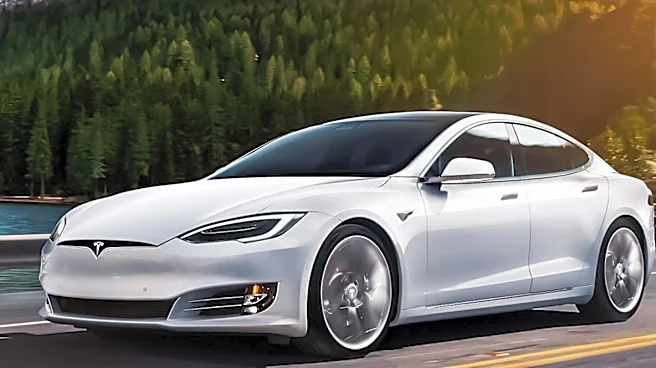
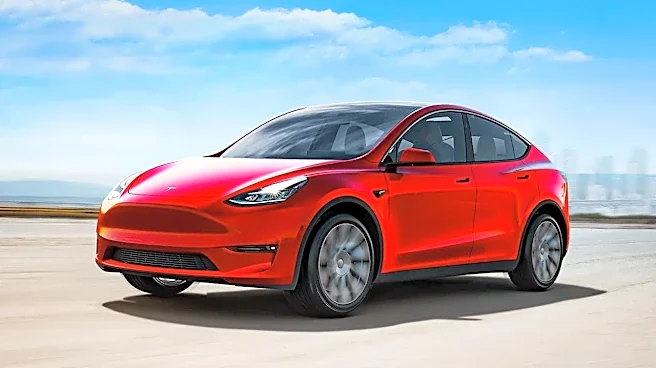
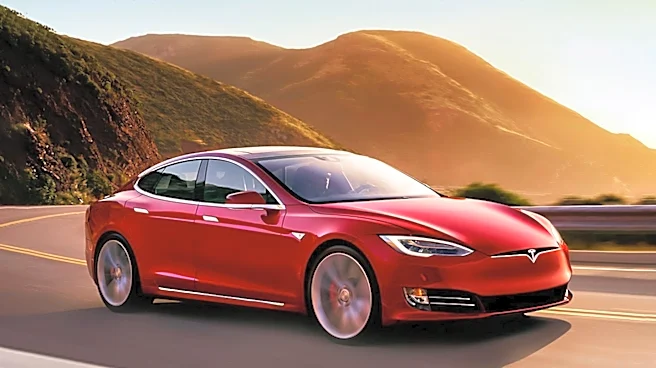
This is the most fundamental number. How many cars did Tesla actually deliver to customers? For the second quarter of 2026, Tesla reported delivering 480,126 vehicles, a 25% increase from the previous year and its best Q2 ever. But the number behind the number is just
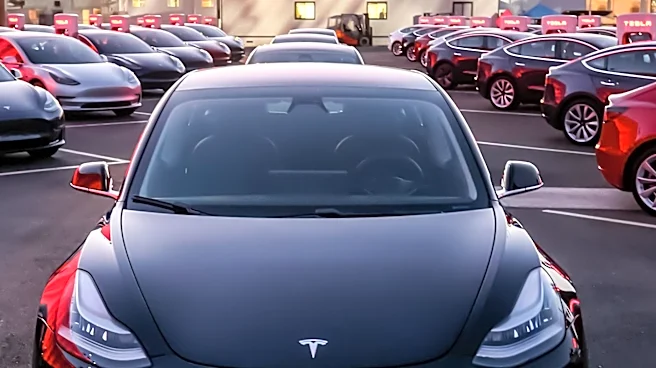
as important: how does that compare to production? This quarter, Tesla delivered about 28,000 more cars than it built. That's a good sign, as it means the company is selling down its inventory rather than letting cars pile up, which was a problem in early 2026. A healthy gap between deliveries and production suggests demand is strong enough to absorb supply, which is the foundation of the entire business.
Automotive Gross Margin (Minus Credits)
This is arguably the single most important metric for understanding Tesla's core business. It answers the question: is Tesla making money on the cars it sells? The key is to look at the figure excluding regulatory credits. Those credits are payments from other automakers and are essentially pure profit, which can mask underlying issues. For Q2 2026, analysts are watching to see if this number holds up, with expectations around 18-19%. After a period of price cuts to drive volume, a stable or improving margin would signal that Tesla has found a profitable balance. A declining margin, however, would suggest that its record delivery numbers came at a steep cost.
Free Cash Flow & Capital Expenditures (CapEx)
Free cash flow tells you how much cash the company generated after paying for its operations and investments. Lately, this has become a huge focus because Tesla is spending an enormous amount of money. The company plans to spend nearly $25 billion in 2026, a massive jump from $8.5 billion in 2025, to build out its AI infrastructure, robotaxi network, and Optimus robot production. Because of this, analysts expect Tesla to report negative free cash flow of over $3 billion for the quarter. While that sounds alarming, the company is expected to still have a cash cushion of over $40 billion, giving it plenty of runway for these ambitious projects. The key is to listen to what executives say about when they expect this spending to translate into revenue.
Energy & Storage Growth
While the car business gets all the attention, Tesla's energy division is a consistent growth story. This segment, which includes the Megapack battery storage systems and solar installations, is becoming an increasingly important part of the company. In the second quarter of 2026, Tesla deployed 13.5 GWh of energy storage, a jump of over 40% from the same period last year. This growth provides a crucial source of revenue diversification. As the world transitions to renewable energy, the demand for large-scale battery storage is expected to soar. Watching this number helps you see if Tesla is just a car company or a true diversified energy firm.
Management's Forward Guidance
The numbers in the report tell you where Tesla has been; the guidance tells you where it thinks it's going. The earnings call, where executives take questions from analysts and investors, is often more revealing than the report itself. Pay attention to the tone. Are executives confident or cautious? Do they provide specific targets for future deliveries, margins, and project timelines? This quarter, investors will be listening for updates on the robotaxi network expansion and the production ramp of the Optimus robot. Any change in language, either more optimistic or more hesitant, can send a powerful signal about the company's internal view of the months ahead.