








The $35 Stroke of Genius
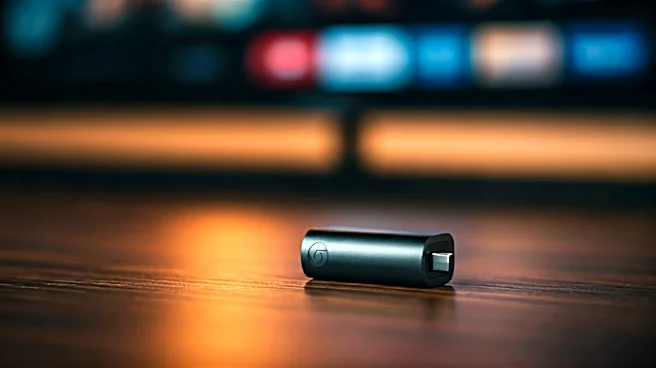
Cast your mind back to 2013. Smart TVs were clunky and expensive, and getting content from your phone to your big screen was a mess of wires and incompatible apps. Then Google released the Chromecast, a tiny, $35 dongle that plugged into your TV’s HDMI
port. It had no remote and no on-screen menu. It had one, brilliantly simple job: you’d tap a “Cast” icon in an app on your phone (like YouTube or Netflix), and the video would magically appear on your TV. Your phone was the remote. It was elegant, effortless, and so cheap it became a go-to impulse buy and stocking stuffer. By 2016, Google had sold over 30 million of them, making it arguably the company's most successful piece of hardware ever. It was a product people genuinely loved for its focused simplicity.
A Different Product, A Different Mission
Then, slowly, Google began to change the mission. It released updated versions, including a 4K model and the Chromecast Audio (another beloved product it later killed). But the real shift came in 2020 with the launch of the “Chromecast with Google TV.” This new device was a fundamental betrayal of the original concept. It was more expensive (starting at $50), came with a dedicated remote control, and, most importantly, featured a full-blown on-screen operating system, Google TV. While you could still “cast” to it, that was no longer its primary purpose. The device was now a direct competitor to Roku boxes and Amazon’s Fire TV Stick. With this launch, the simple, cheap, single-purpose Chromecast was effectively put on a path to extinction.
The War for the Living Room
So, why the change of heart? Because Google wasn’t winning the war that actually mattered. The battle wasn't for the best-selling cheap gadget; it was for control of the living room television, the most valuable screen in the home. While Google was selling tens of millions of “dumb pipe” dongles, Roku and Amazon were building empires. Their strategy was different: sell hardware at or near cost to get their operating systems—Roku OS and Fire OS—onto as many screens as possible. They owned the entire user experience, from the home screen to the search bar to the app store. This gave them immense power. They could charge content providers like Netflix for prominent placement, sell advertising in the interface, and collect valuable data on viewing habits. The original Chromecast gave Google none of that. It was a visitor in the TV ecosystem, not the landlord.
From Gadget to Gatekeeper
The Chromecast with Google TV was Google’s declaration that it wanted to be the landlord. By adding a remote and an operating system, Google seized control of the user interface. Suddenly, it could decide what you see first when you turn on your TV. It could promote its own services, like YouTube and YouTube TV, right on the home screen. It could integrate its powerful search and recommendation engine (“Google Assistant, show me action movies from the 80s”). Most importantly, it created a new, massive surface for selling high-value video ads. The company sacrificed a product that made them a little money on each sale for a platform that could generate recurring revenue for years to come. They killed the simple gadget to build a powerful media gate. The goal was no longer to sell you a dongle; it was to own the operating system that runs your television.