








First Off, What Is the 'AI Stack'?
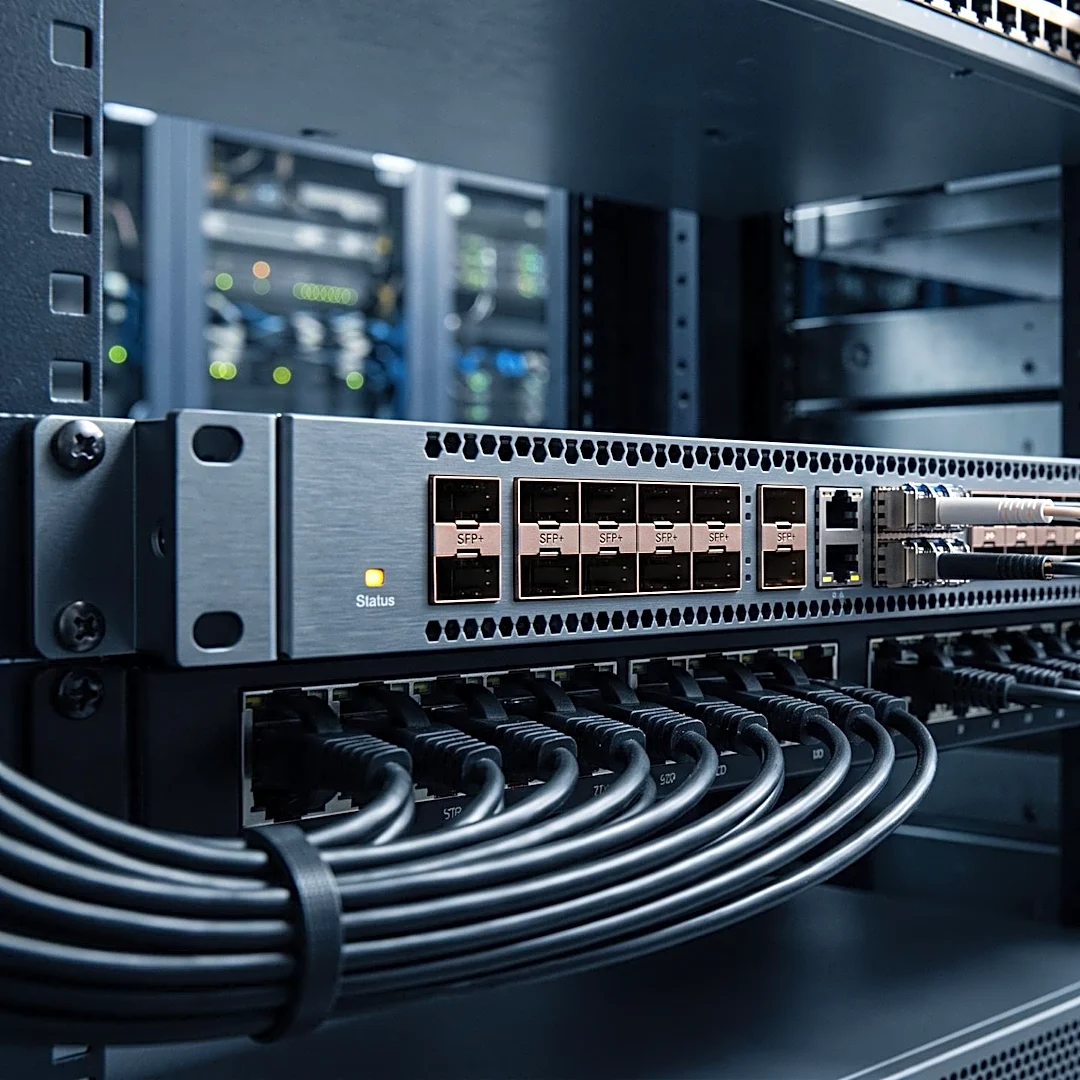
Think of the AI stack like the layers of a lasagna, where each ingredient is essential for the final dish. At the bottom, you have the hardware: the specialized chips (GPUs) and massive data centers that provide the raw computing power. This is the physical
foundation. Above that sits the infrastructure layer, dominated by the big cloud providers like Amazon Web Services, Microsoft Azure, and Google Cloud, who rent out that computing power. Next up are the foundation models—the brains of the operation, like OpenAI's GPT or Google's Gemini. These are the vast, complex algorithms trained on immense datasets. Finally, at the very top, are the applications and agents we interact with, from chatbots to sophisticated enterprise software that uses the underlying model to perform tasks. Owning a key layer gives you immense leverage over everyone above and below you.
The Titans: A Corporate Oligopoly
No single company owns the whole stack, but a handful of giants have carved out hugely dominant positions in their respective layers. In the world of AI chips, NVIDIA is king. The company controls the overwhelming majority of the market for the high-powered GPUs necessary for training large AI models, making its hardware a critical chokepoint. The cloud layer is a familiar story: a three-way race between Amazon, Microsoft, and Google, who are not just infrastructure providers but also major investors and partners with the model-builders. Microsoft's deep relationship with OpenAI is a prime example. At the model layer itself, a fierce competition is raging. You have the heavily funded private labs like OpenAI, Anthropic, and Google's DeepMind battling for supremacy, alongside a vibrant open-source movement championed by companies like Meta with its Llama models and France's Mistral AI.
The Geopolitical Layer: Rise of 'Sovereign AI'
The debate over the AI stack has escalated beyond corporate boardrooms into a full-blown geopolitical contest. The primary rivalry is between the United States, home to most of the key players, and China, which is pouring billions into developing its domestic capabilities to overcome U.S. restrictions on advanced chip exports. Whoever controls the foundational layers of AI is seen as holding a decisive economic and military advantage for the coming century. This superpower struggle is forcing other nations to act. At global tech gatherings like GITEX, the term 'sovereign AI' is on everyone's lips. Countries in the Middle East, Europe, and Asia are realizing that relying entirely on foreign technology for something as fundamental as AI is a strategic vulnerability. They are now investing heavily in their own data centers, funding local AI model development, and creating national compute resources to ensure they are not left behind or locked out of the next technological era.
Why This Debate Is Exploding Now
For years, the components of the AI stack were seen as boring B2B commodities. The generative AI boom of the last few years changed everything. Suddenly, every company and country realized that access to this stack was not a utility, but a passport to the future. The explosion in demand for AI created bottlenecks, exposing just how fragile the supply chain for critical components like GPUs really is. This dependency has become a central theme at forums like GITEX Global, where leaders from government and industry gather. The conversation is no longer just about amazing new AI features; it's about the hard realities of securing compute power, the massive energy and water consumption of data centers, and the strategic imperative of owning your own digital destiny. The abstract idea of an 'AI stack' has become a very real and urgent question of national and economic security.