







The Internal Startup Competition
In 2005, as Steve Jobs began to seriously pursue an Apple phone, he didn't bet on a single vision. Instead, he created a fierce internal competition. Two teams were pitted against each other to create the soul of the future device. One was led by Tony
Fadell, the 'Godfather of the iPod,' and the other by Scott Forstall, a brilliant software engineer who had followed Jobs from NeXT. The conflict was simple but profound: should the iPhone be an evolution of the iPod, or a pocket-sized version of the Mac? The tension between the groups was described as 'explosive' as they battled for resources, talent, and Steve Jobs's favor.
The iPod Phone That Almost Was
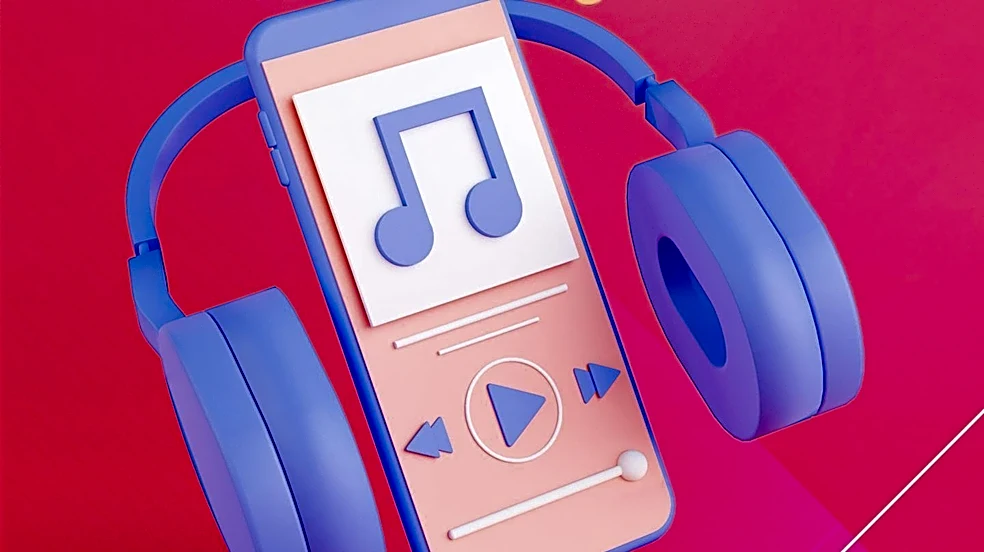
Tony Fadell's team, flush with the massive success of the iPod, proposed a logical extension of what already worked. Their prototype, codenamed 'P1,' was built on an operating system reminiscent of the iPod's, even featuring a virtual click wheel on the touchscreen for navigation. The thinking was straightforward: the world loved the iPod's interface, so why not adapt it for a phone? For a time, rumors suggested this was the winning horse, a familiar-feeling device that would ease users into the smartphone era. It was a safe, iterative bet, leveraging a user experience that had already sold hundreds of millions of units.
The Bet on a 'Shrunken' Mac
Scott Forstall’s team took a radically different and more ambitious approach. Their project, 'P2,' was based on the idea of shrinking down Mac OS X, Apple's powerful desktop operating system, to run on a phone. Jobs himself believed this was the more versatile long-term strategy, but he needed proof that it could work. Forstall's vision was for a true, multi-touch computer in your pocket, using a grid of icons instead of a click wheel. This was a far greater technical challenge, but it offered almost limitless potential. It wasn't just about making calls and playing music; it was about putting the internet and desktop-class applications into a user's hand.
The Decision That Shaped Mobile History
Ultimately, Steve Jobs chose Forstall's OS X-based approach. The decision was a turning point. By using a familiar desktop operating system as the foundation, it made it possible for countless Mac developers to eventually create apps with minimal retraining. Forstall was put in charge of creating the software development kit (SDK) and the App Store, the very tools that would transform the iPhone from a cool gadget into a world-changing platform. Tony Fadell, despite his monumental success with the iPod, had lost the battle for the iPhone's soul. He would leave Apple a few years later, partly due to ongoing clashes with Forstall. The 'iPod Phone' was dead, and the iPhone as we know it was born.