




The Trillion-Dollar Shopping Cart
In the world of technology, few numbers are as closely watched as capital expenditures, or 'capex'. This is the money a company spends on physical assets, and for a cloud giant like Microsoft, the overwhelming majority of that spending goes toward building
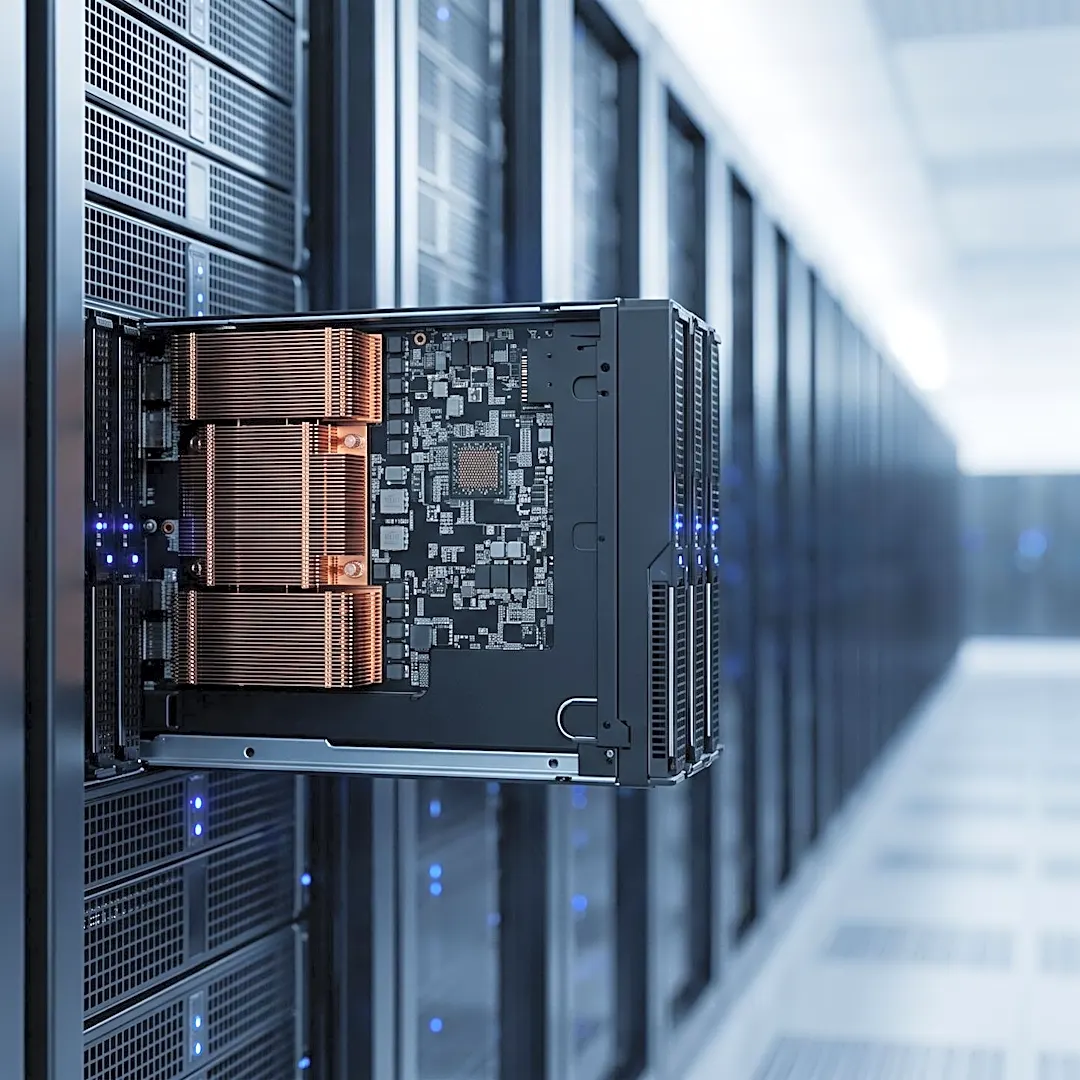
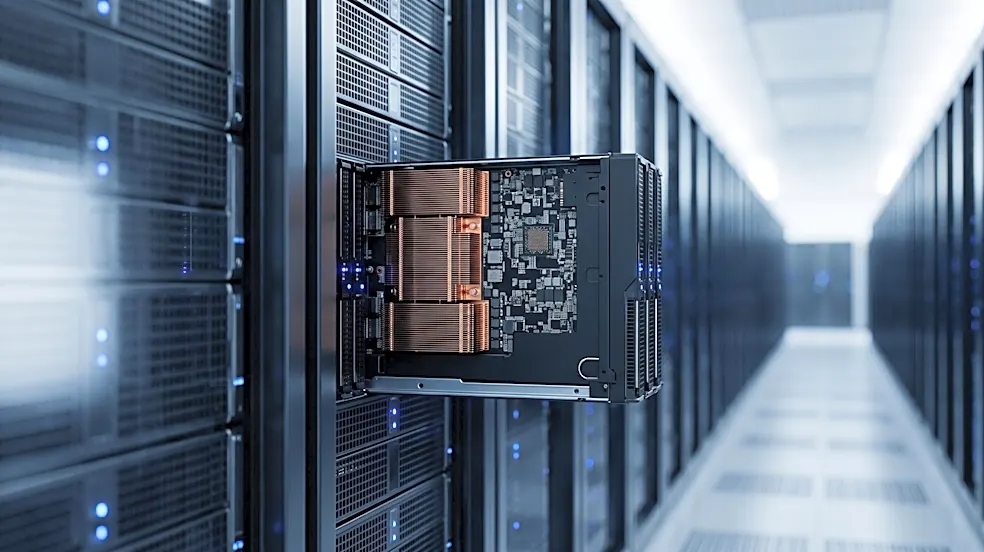
and equipping massive data centers. These global server farms are the engine of the modern internet, powering everything from your Teams calls to the Azure cloud services that underpin countless businesses. Microsoft's capex has exploded, with the company spending around $116 billion in fiscal year 2026 and expecting that to grow. This isn't just buying buildings; it's a colossal, ongoing investment in the highest-performance computer hardware on the planet. And all that hardware runs on semiconductors.
Following the Money to the Chips
When Microsoft spends, semiconductor companies earn. It's a direct and powerful relationship. This spending serves as a real-time demand signal for the chip industry. Analysts know that roughly two-thirds of Microsoft's data center capex is for short-lived assets like CPUs (central processing units) and, increasingly, GPUs (graphics processing units). A surge in Microsoft's spending forecast is a clear indicator that massive orders are flowing to companies like Nvidia, AMD, and Intel. It signals not just the quantity of chips being ordered but also the type. A shift in spending can reveal, for example, a growing emphasis on AI workloads, which require expensive, high-margin GPUs, a market dominated by Nvidia. This makes Microsoft's quarterly reports and CFO commentary required reading for anyone trying to model revenue for chipmakers.
The AI Arms Race Changes Everything
The generative AI boom has turned Microsoft's data center spending into an even more critical barometer. Training and running large language models, like those behind ChatGPT and Microsoft's own Copilot, requires immense computational power that only specialized AI accelerators—primarily high-end GPUs from Nvidia—can provide. This has created an insatiable demand, with Microsoft's own CFO noting the company remains 'capacity-constrained' despite its record spending. For analysts, this means Microsoft’s capex is no longer just a measure of general cloud growth, but a direct reflection of the AI arms race. Every billion dollars added to the budget can be seen as another block of high-margin GPUs being purchased from suppliers, providing a powerful leading indicator for the chip sector's performance.
A Complicating Factor: Building In-House
The story has a new twist: Microsoft, like rivals Google and Amazon, is now designing its own custom AI chips. The 'Maia' line of accelerators is Redmond's effort to reduce its expensive dependency on Nvidia and optimize performance for its specific workloads. Microsoft has stated its goal is for Maia to become the primary system for its own AI products and services. While analysts estimate homegrown chips will only account for a fraction of spending by 2027, the trend is clear. This adds a new layer to the analysis. Now, Wall Street must not only track the total spending but also parse executive comments for clues about the mix. How much is going to Nvidia and AMD versus being invested in its own silicon? The answer to that question will determine which semiconductor players win and lose in the years to come, making Microsoft's spending a complex but essential puzzle to solve.