



The Ghost in the Machine
Let’s start with a quick refresher. The Von Neumann architecture, named after mathematician John von Neumann, was revolutionary for one key idea: instructions and data should be stored in the same memory, accessible by a central processing unit (CPU).
Before this, machines were often hard-wired for a specific task. This new 'stored-program' concept meant a computer could be reprogrammed for different jobs simply by loading a new program into its memory. It’s made up of a CPU (with a control unit and an arithmetic logic unit), a memory unit, and input/output devices. This simple, flexible design is the blueprint for virtually every general-purpose computer built since.
Finding von Neumann in the Data Center
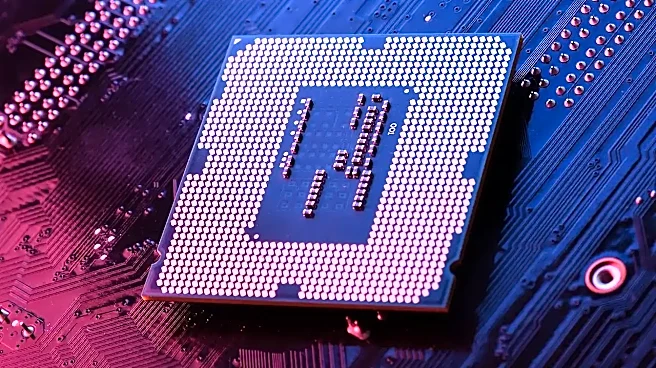
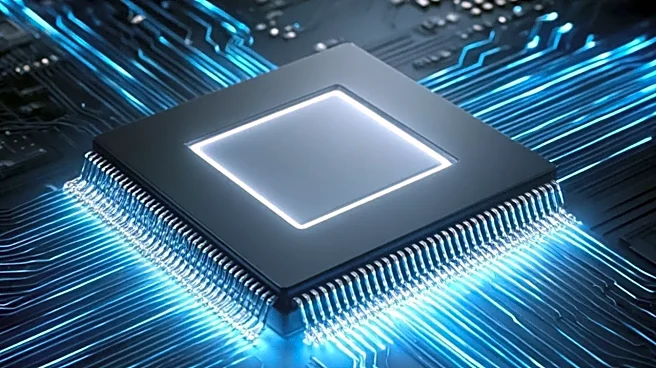
So where is this architecture inside a sprawling, modern production system—like the servers running your favorite streaming service? It’s right at the heart of every single processor. Each CPU core, whether in a massive rack server or a blade server, fundamentally operates on this principle. It fetches instructions from memory, decodes them, executes them, and writes results back. When a web server gets a request, its CPU pulls the necessary code (instructions) and user data from memory to process it. From the most basic virtual machine to a complex database server, the core computational loop is a direct descendant of von Neumann's original design.
The Infamous Bottleneck
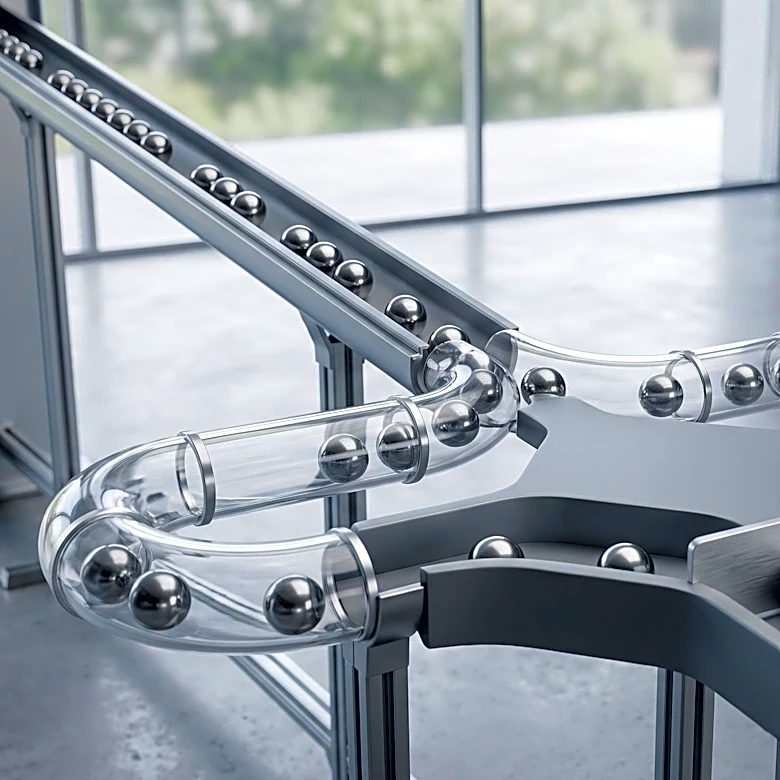
The architecture's greatest strength—its simplicity—is also its greatest weakness. Because instructions and data share the same memory and the same pathway (or bus) to the CPU, only one can be fetched at a time. The CPU is incredibly fast, but it constantly has to wait for information to be shuttled back and forth from memory. This traffic jam is famously called the 'Von Neumann bottleneck'. Think of it as a brilliant chef who can chop vegetables at lightning speed but is forced to use a single, narrow hallway to get both ingredients and recipes from the pantry. No matter how fast the chef is, the entire cooking process is limited by the speed of that hallway. As CPUs got exponentially faster over the decades while memory access speeds improved much more slowly, this bottleneck became the single biggest challenge in computer performance.
The Modern Workaround: A System of Freeways
Modern production systems are a marvel of engineering designed specifically to hide the Von Neumann bottleneck. Instead of a single hallway, engineers have built a complex system of highways and local roads. The most important tool is caching. Small, incredibly fast memory caches (L1, L2, and L3) are built directly on or near the CPU. The system predicts what data and instructions the CPU will need next and pre-fetches them into these caches. Since most programs reuse the same information frequently, the CPU can find what it needs in the super-fast L1 cache over 90% of the time, avoiding the slow trip to main memory. This is like the chef having a small, refrigerated drawer with all the most common ingredients right at their station.
Beyond Caching: Parallelism and Software Smarts
But what happens when the CPU needs something that isn't in the cache—a 'cache miss'? Modern processors use another trick: multi-threading. A single physical CPU core can present itself to the operating system as two or more logical cores. When one thread has to stop and wait for data from main memory, the core instantly switches to another thread and keeps working. This keeps the processor's execution units busy instead of sitting idle. On a larger scale, multi-core processors and entire server clusters work on different tasks in parallel, further masking the memory-access delays for any single task. Even software plays a role, with operating systems and compilers designed to arrange and request data in the most efficient way possible to keep the caches full and the CPU fed. It's a system-wide effort, from silicon to software, all to outsmart a limitation from 1945.