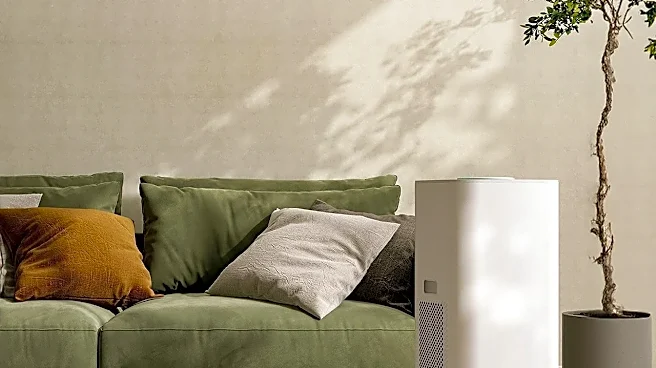







You buy an air purifier thinking it is just another gadget to manage dust, but the actual impact often hits much harder and faster than expected. For many, the surprise is not the machine itself, but the sudden clarity of the air.
The Invisible Shift
For most people, the
decision to buy an air purifier starts with a visible problem: a shedding golden retriever, a layer of dust that reappears an hour after cleaning, or a seasonal allergy that refuses to quit. You expect a marginal improvement, perhaps a slightly cleaner coffee table. What you don't expect is the immediate shift in how you feel when you wake up. Users frequently report that the most profound change isn't something they see, but something they feel—a reduction in nighttime sneezing, a decrease in sinus pressure, and a sense of 'cleaner' breathing that was previously taken for granted.
Beyond the Dust Bunny
While dust is the most obvious culprit, air purifiers tackle a much more complex cast of characters. It is not just about the visible particles; it is about the microscopic triggers that linger in the air. This includes pet dander, pollen, and even certain types of mold spores that thrive in humid environments. For individuals with asthma, COPD, or chronic sinusitis, the machine acts as a silent shield. The surprise for many first-time users is realizing that their 'unexplained' fatigue or persistent congestion was actually a constant, low-level reaction to these invisible irritants hanging in their living rooms.
The Tech vs. Reality Gap
There is often a secondary surprise: the disconnect between what the machine says and what the user experiences. Modern purifiers are equipped with sensors that provide real-time particulate matter readings, often displayed on sleek digital interfaces or smartphone apps. However, users sometimes find themselves questioning the numbers. You might see the machine flagging a filter as dirty or showing a spike in pollution levels even when the room looks spotless. This happens because the sensors are detecting things the human eye simply cannot perceive, leading to a strange realization that your home environment is much more dynamic than it appears.
What to Look For
If you are moving from skepticism to purchase, the surprise can also come from how much technical nuance matters. It is not a one-size-fits-all market. To get that 'immediate' feeling of relief, three factors are critical. First is the filtration quality, specifically looking for HEPA filters which are the gold standard for trapping tiny particles. Second is the Clean Air Delivery Rate (CADR), which tells you how much air the machine can actually clean in a given timeframe. Finally, capacity is king; a powerful machine in a tiny room is a waste, just as a small unit in a large open-concept living area will fail to make an impact. Matching the unit to your specific room size is often the difference between a gadget that sits idle and one that changes your life.