









The Problem of a Billion Friends
In the early 2000s, the first wave of social networks ran into a wall. Friendster, a pioneer, became famously slow as millions of users joined; pages could take nearly a minute to load. The site’s inability to handle its own explosive growth created an opening
for competitors like MySpace, which soon faced its own scaling problems. The challenge was unprecedented: how do you build a system that can handle millions, and eventually billions, of people interacting in real-time? The traditional approach of buying bigger, more expensive servers from established vendors was too slow and costly. This scaling crisis was the starting gun for a new era of innovation. It became clear that to connect the world, the world’s biggest tech companies would have to invent the tools themselves.
Building a New Toolbox, Then Giving It Away
Forced to solve problems no one had ever faced at such a scale, engineers at companies like Facebook began building custom software from the ground up. They created new types of databases to manage the constant flood of status updates, photos, and connections. They developed new frameworks to make their websites faster and more interactive. But the most revolutionary step wasn't just inventing these tools—it was giving them away. Facebook open-sourced many of its key technologies. This includes React, a library for building user interfaces that now powers countless websites, and Cassandra, a database designed for massive datasets that was adopted across the industry. This act of sharing transformed web development, allowing startups and established companies alike to build sophisticated, scalable applications without starting from scratch.
Rethinking the Data Center from Scratch
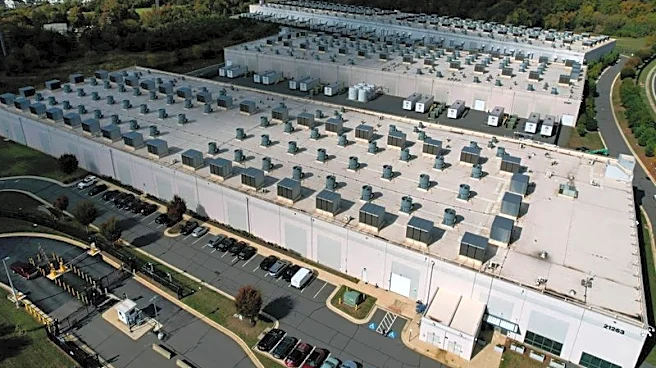
The revolution wasn't just about software; it was also about the physical hardware that runs the internet. To handle billions of users, Facebook couldn't just buy off-the-shelf servers. The company began designing its own servers, storage systems, and even entire data centers to be hyper-efficient and scalable. In 2011, it took this a step further by launching the Open Compute Project (OCP), sharing its hardware designs with the world. This was a radical move in a secretive industry. The OCP created a collaborative community where companies like Google, Microsoft, and Intel now share designs for everything from server racks to cooling systems. This open approach has made data centers more energy-efficient, cost-effective, and powerful, fundamentally changing the economics of cloud computing for everyone.
The Unseen Engine of Modern AI
The final piece of the puzzle was the data itself. Every like, share, and connection created a mountain of information. To make sense of it all—and to power the targeted advertising that became their economic engine—social media companies became pioneers in "big data" and artificial intelligence. They developed machine learning models to analyze user behavior, moderate content, and personalize news feeds. These AI systems required immense computational power, further driving the need for custom hardware and efficient data centers. Today, the AI techniques honed in the labs of social media giants are used in fields as diverse as medical diagnostics and logistics, forming the backbone of the AI boom we see across the entire economy.