







The AI Gold Rush and Its Staggering Price Tag
In the world of technology, there are big investments, and then there is Microsoft's current AI spending spree. The company has committed to capital expenditures in the hundreds of billions for 2026 alone, with a massive portion dedicated to building
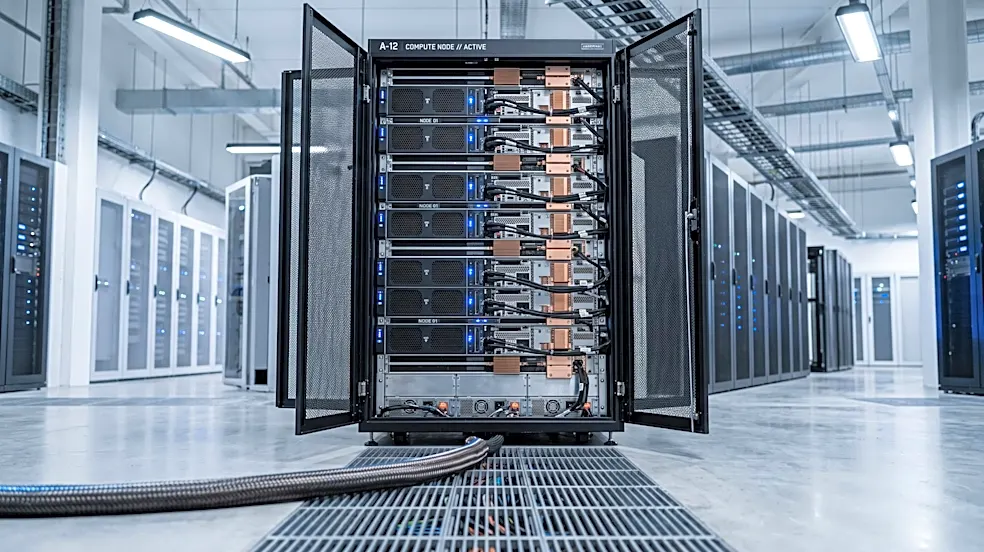
out its AI infrastructure. The workhorses of this new era are Graphics Processing Units, or GPUs, the powerful chips from companies like Nvidia that are essential for training and running advanced AI models. Think of them as the engines of AI. Microsoft is buying them up at an astonishing rate to power its Azure cloud platform and services like Microsoft 365 Copilot. This aggressive expansion is in response to what the company calls customer demand that 'exceeds available supply'. Azure's revenue has already soared past the $100 billion annual mark, a clear sign that the AI gold rush is real. But buying the gear is only the first step. The far more complicated question for investors is whether all those expensive new engines are actually on the road with paying passengers.
From Raw Power to Real Profits
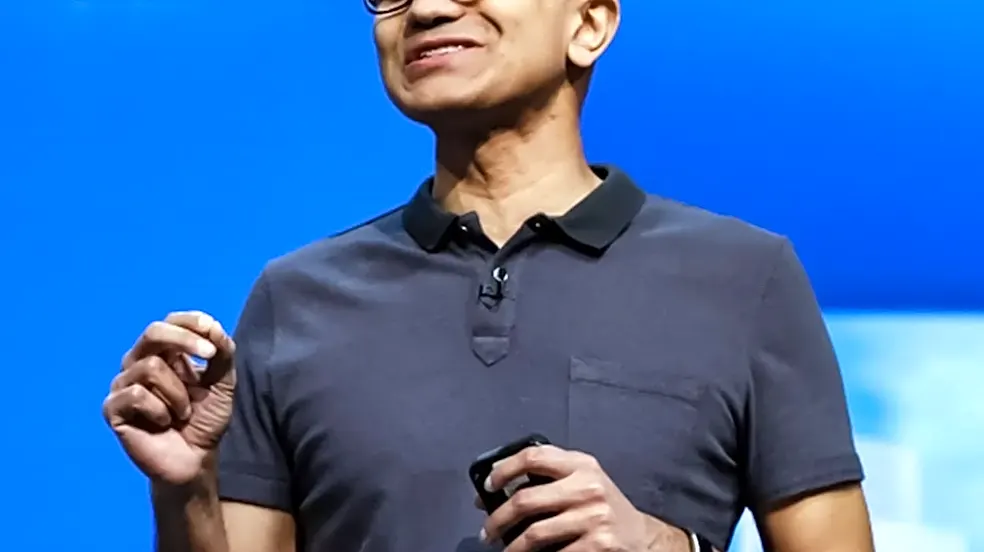
This is where GPU utilization becomes the billion-dollar metric. In simple terms, utilization measures how much of the available computing power from these GPUs is actively being used—and, crucially, monetized. An idle GPU is a very expensive paperweight, burning through its useful life without generating a return. Microsoft's leadership has recently emphasized a new yardstick: the 'cost-to-outcome frontier'. This concept, mentioned by CEO Satya Nadella, reflects a shift in focus from simply providing raw computing power to delivering tangible business results for customers at an efficient cost. The challenge is that AI workloads can be notoriously bursty. A company might need immense power for a few hours to train a model, but then that capacity might sit underused. Low utilization across the industry is a known issue; one 2026 report found average GPU utilization in some enterprise environments was surprisingly low. For a hyperscaler like Microsoft, which operates at a massive scale, even small improvements in efficiency can translate directly into billions in revenue, a point its CFO has stressed.
The Margin Squeeze
The intense focus on utilization is directly tied to profit margins. The massive capital outlay for GPUs and data centers is a hit to the balance sheet. These costs, through depreciation, put pressure on gross margins—the profit left over after accounting for the cost of goods sold. In Microsoft's case, the cost of running its cloud has been a point of concern, with some reports noting a dip in Microsoft Cloud gross margin as AI infrastructure spending ramps up. To counter this, Microsoft is getting creative. The company is working to drastically shorten the 'dock-to-live' time for new GPUs, getting them installed and earning money faster. It is also developing its own in-house AI chips, like the Maia family, which are designed to be more efficient for specific tasks, potentially lowering reliance on costly third-party hardware and improving the 'tokens per megawatt' a key efficiency metric. Furthermore, evolving its business models to be more directly linked to customer usage and value delivered is another strategy to ensure revenue keeps pace with costs.
What to Watch for in the Numbers
As Microsoft prepares to report its quarterly earnings, analysts and investors will be looking for specific signals beyond the headline revenue and profit numbers. The growth rate of Azure is paramount; the company has been posting strong figures, with recent quarters showing growth over 40%, and guidance has suggested that momentum will continue. This figure is the clearest indicator that the company's AI investments are successfully translating into sales. Another key metric is the 'commercial remaining performance obligation', or RPO, which represents contracted future revenue. A strong RPO figure gives investors confidence that demand is not just a one-quarter phenomenon but is locked in for the future. Finally, any commentary from executives on capacity, efficiency gains, and the monetization of AI services like Copilot—which has surpassed 30 million paid seats—will be scrutinized. These details provide the texture behind the numbers, revealing how effectively Microsoft is turning the most expensive hardware build-out in its history into a sustainable, profitable enterprise.