


The 'Before' Era: A World of Apps
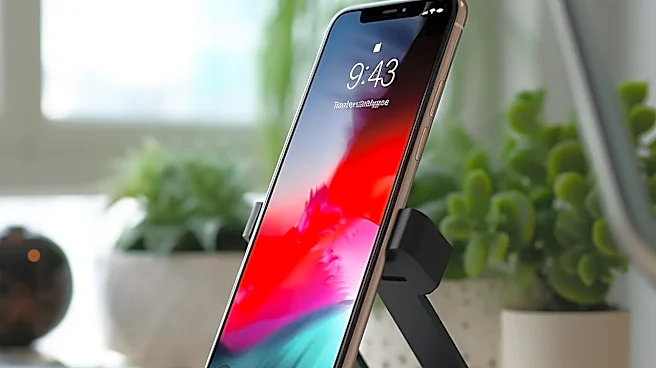
Think back to the iPhone you’ve always known. From the revolutionary first model in 2007 to the devices of the early 2020s, the experience was defined by one thing: the grid of apps. The iPhone was a powerful, pocket-sized computer, but it was fundamentally
passive. It waited for you to tap an icon, issue a command, or open an application to get something done. The launch of the App Store in 2008 cemented this paradigm, creating a universe where the phone’s capability was a direct function of the apps you downloaded. You were the operator, and the iPhone was your switchboard, connecting you to discrete, siloed services. Siri, introduced in 2011, offered a glimpse of something different, but for years it was more of a voice-activated remote control than a true assistant, capable of setting a timer or checking the weather but little else. This was the golden age of the app-centric phone, a model that made Apple a titan but also had a clear ceiling.
The Bridge: The Dawn of Apple Intelligence
The shift began in earnest in 2024 with the announcement of Apple Intelligence, the company's ambitious, privacy-first take on AI. Rather than launching a single, all-knowing chatbot, Apple chose to weave AI into the fabric of its operating systems. Initially, the features were useful but iterative: smarter writing tools, notification summaries, and image generation. However, the real promise—a context-aware Siri that could understand what was on your screen and perform multi-step tasks across apps—took longer to materialize, arriving in stages through 2025 and 2026. This period marked a crucial transition. Apple used its hardware pipeline, requiring chips like the A17 Pro or newer, to ensure the complex AI models could run on-device, protecting user privacy. Apple Intelligence began connecting the dots between your mail, calendar, and messages, but it was still an overlay on the familiar grid of apps. It was the foundation, but not yet the finished building.
The 'After' Vision: Your Proactive Partner
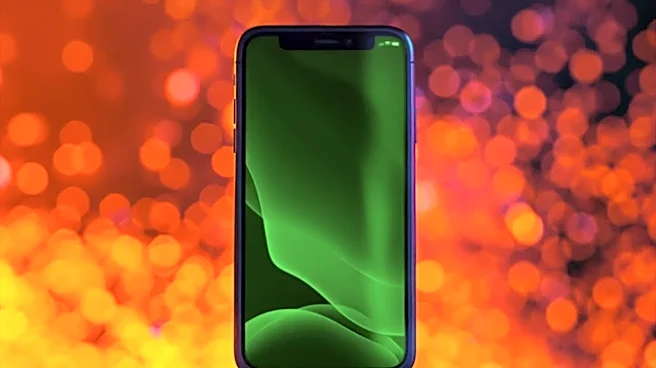
The upcoming iPhone 18, particularly the Pro models, is poised to be the moment this transition completes. With an expected A20 Pro chip built on a new 2-nanometer process and potentially more RAM, the hardware will finally catch up to the grand vision. This isn't about just making existing features faster; it's about enabling a fundamentally new relationship with your device. The "after" picture of the iPhone is one where the device is no longer passive but proactive. Imagine your iPhone noticing a flight confirmation in your email, checking traffic, and suggesting when you should leave for the airport, all without you opening a single app. In this new era, Siri evolves from a simple command-taker into a true agent, capable of understanding complex requests like, "Find the photos I took with mom at the beach last summer, make them brighter, and send the best one to my sister." The focus shifts from 'apps' to 'actions,' with Apple Intelligence working in the background to seamlessly orchestrate tasks. The grid of icons may still be there, but it will no longer be the primary way you interact with the phone.
What This Reframing Means for You
This evolution from a tool to a partner carries profound implications. On one hand, the promise is a device that saves you time and mental energy, anticipating your needs and managing the digital noise of modern life. It could make technology feel more personal and helpful than ever before. On the other hand, it raises new questions about privacy, autonomy, and control. How much of our decision-making do we want to outsource to an algorithm, even a private, on-device one? Apple's bet is that its long-standing commitment to privacy will be the key differentiator that makes users comfortable with this new, more intimate level of assistance. For Apple, this strategic pivot is essential. As smartphone hardware innovation slows, the next frontier is intelligence. By building a deeply integrated AI that makes the entire ecosystem more valuable, Apple isn't just selling you a new phone; it's locking you into a smarter, more interconnected world that competitors will find difficult to replicate. The iPhone 18 won’t just be another upgrade—it will be the vessel for this new philosophy.