




The Nine-Figure Gamble
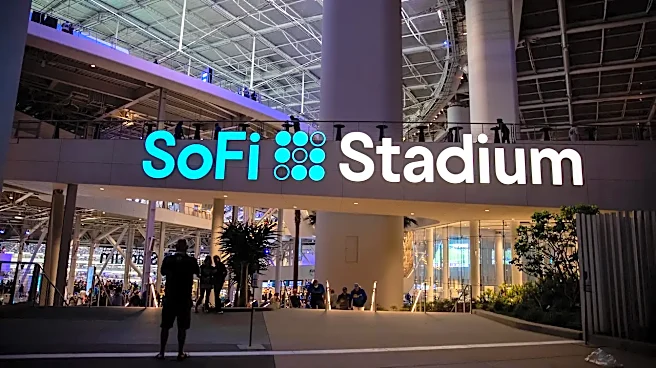
The bet was the naming rights to the most expensive stadium ever built. In 2019, SoFi, a company primarily known for refinancing student loans, signed a 20-year deal to christen the new Los Angeles NFL palace 'SoFi Stadium'. The reported cost was staggering:
figures range from $400 million to over $600 million, making it one of the richest naming rights deals in sports history. For a relatively young fintech firm to commit over $20 million a year, it was a move that raised eyebrows across both the finance and marketing worlds. This wasn't a legacy bank with a century of history; it was a digital-first upstart making an enormous bet on a very physical, very traditional form of advertising.
An Unconventional Playbook
So why was this a bet 'nobody else would make'? For starters, the sheer cost was prohibitive for many. The market for stadium naming rights had reportedly cooled, and SoFi’s deal was seen as a massive outlier. Furthermore, many experts question the return on investment for such deals, with some economists arguing there's no proven link to a company's long-term profitability. The decision was so divisive it reportedly led to the departure of SoFi's own chief marketing officer at the time, who disagreed with the investment. Most companies, especially those in the fast-moving tech space, would pour that kind of money into digital ads or product development, not a brick-and-mortar arena. SoFi chose a different path.
From Digital Niche to Household Name
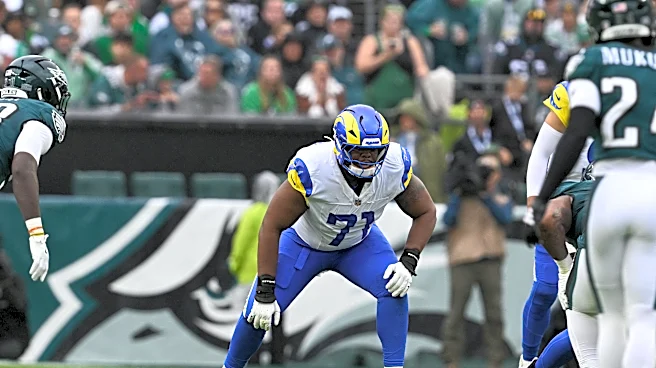
SoFi's CEO, Anthony Noto, a former NFL CFO, saw it differently. The goal wasn't just advertising; it was about manufacturing trust and mainstream legitimacy at an accelerated pace. In finance, customers need to believe you'll be around for the long haul. While other companies build that reputation over decades, SoFi essentially bought it. Every time the Rams or Chargers play on national television, every time a major concert is held, and every time an aerial shot pans over the stadium during events like the Super Bowl or the Olympics, the SoFi name is broadcast to millions. Noto argued this provides a cost-per-impression that traditional digital marketing can't match, instantly associating the brand with the cultural power of the NFL.
Measuring the Return on Ambition
The strategy is to turn a marketing expense into a permanent brand asset. Unlike a digital ad that vanishes, SoFi Stadium is a landmark. It anchors the brand in the physical world, making it feel more permanent and reliable than just an app on a phone. The association with premier events—the 2022 Super Bowl, the 2023 College Football Playoff, and the upcoming 2028 Olympics—lends it a credibility that would have otherwise taken years to build. The company's leadership believed that to evolve from a niche lender to a full-service financial institution people trust with their entire financial lives, they needed to become a household name. The stadium was the shortcut, a high-cost, high-impact play to embed SoFi into the American cultural conversation.