






The Tensor Chip's Burning Question
At the heart of every recent Pixel is the Google-designed Tensor chip. It’s the brain behind the phone’s dazzling AI features, but it has a persistent, costly flaw: it runs hot. From the Pixel 6 through the latest models, users have complained about phones
getting warm during basic tasks, not just intense gaming. This isn't just a comfort issue. When a phone overheats, it throttles performance to cool down, making the device feel sluggish. More importantly, heat is the enemy of battery life, accelerating drain and degrading the battery's long-term health. Leaked internal documents have even shown that issues related to heat are a top reason for Pixel returns. For the Pixel 11, the promise of smarter AI is a moot point if the phone is too hot to hold or dies before dinner.
A Vicious Cycle of Buggy Updates
In the world of smartphones, software updates are supposed to be a good thing, bringing new features and fixing problems. For Pixel owners, they’ve often been a source of anxiety. Time and again, a monthly security patch or feature drop has introduced severe battery drain bugs. A notorious update in March 2026, for example, prevented phones from entering their low-power idle state, causing batteries to drain rapidly even when sitting on a desk overnight. Users have already begun tracing similar standby drain issues on the new Pixel 11 to a quirky WiFi firmware bug. This pattern erodes trust. It's one thing to have a bug at launch; it's another to have the company's own software updates repeatedly break a core function of the device.
Falling Behind on Charging Speeds
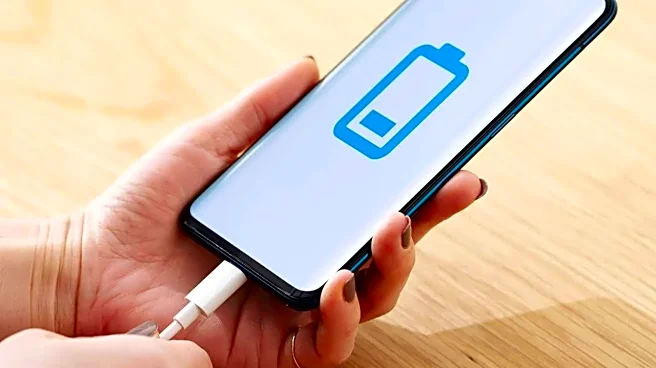
A phone that doesn't last all day can be forgiven if it can be topped up quickly. This is another area where Google continues to stumble. While competitors like OnePlus and Samsung have pushed charging speeds to 60W, 100W, or even higher, the Pixel line has remained stubbornly stuck at a sluggish 30W. In practice, this can mean taking over 90 minutes to get to a full charge, a lifetime compared to rivals that can get a 50% boost in 15 minutes. When you’re running low on power before a night out, the difference between a 15-minute top-up and a 45-minute one is enormous. For a flagship phone commanding a premium price, offering charging speeds that were standard years ago feels less like a thoughtful choice and more like a cost-cutting measure.
When 'Smart' Features Mask Hardware Gaps
Google’s answer to battery complaints has often been software. Features like "Adaptive Battery" learn your usage patterns to save power, and newer phones even have a mandatory "Battery Health Assistance" feature that throttles charging to preserve the battery's lifespan. While well-intentioned, these software fixes often feel like a band-aid for an underlying hardware problem. Instead of installing a physically larger battery or a more efficient modem, Google is asking its software to do the heavy lifting. This creates a frustrating experience where users have to disable features or accept slower performance to make it through the day, undermining the very reason they bought a powerful flagship phone in the first place.