
A Powerful Tool for a Price
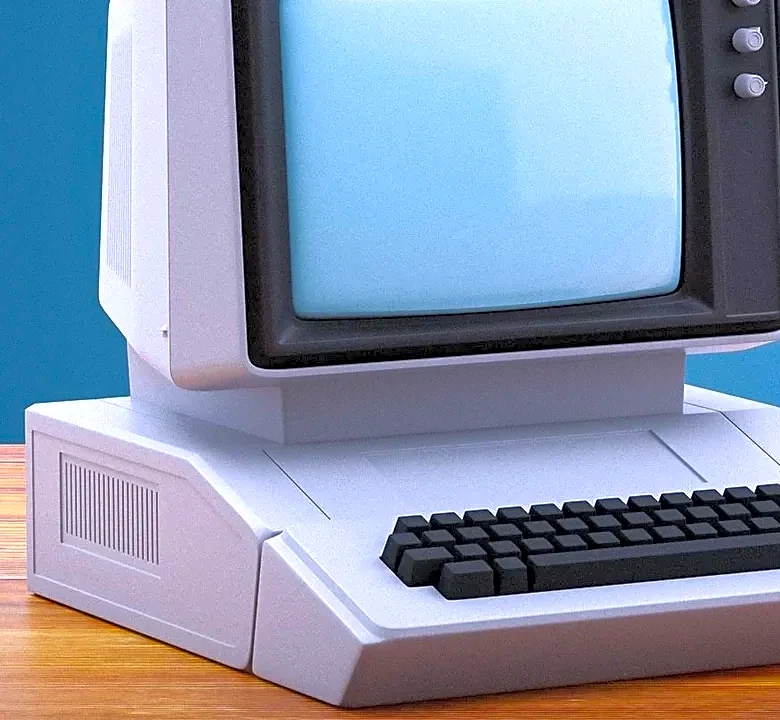
Before Blender was the free software we know today, it was a proprietary in-house tool for a Dutch animation studio in the 1990s. Its creator, Ton Roosendaal, spun off a company called Not a Number (NaN) to develop and market the software. The idea was to offer
a free version with limited features while selling a key to unlock the full, professional suite. It was a powerful program, but it was still a commercial product competing in a tough market, and its destiny was tied to the financial success of its parent company.
The Dot-Com Crash and a Company's Collapse
The dream of building a business around Blender hit a wall. In the early 2000s, the dot-com bubble burst, and despite interest in the software, NaN's sales were disappointing. The company's investors decided to shut it down in 2002. Suddenly, Blender's future was in jeopardy. The source code, the very heart of the program, was now an asset belonging to investors who had no interest in its development. For the burgeoning community of users, it looked like their favorite tool was about to disappear forever.
The 'Free Blender' Campaign
What happened next is the stuff of open-source legend. Unwilling to let Blender die, Roosendaal negotiated a deal with the investors: for €100,000, they would sell the rights to the source code. He then turned to the community with a radical proposal—let's buy our freedom. The 'Free Blender' campaign was launched, asking users to donate money to purchase the software and release it to the world. The community responded with overwhelming passion. In just seven weeks, they raised the full amount, collectively buying the software they loved so much. It was a powerful statement of ownership and commitment that defines the community to this day.
The Most Important Decision: GPL
With the code secured, the Blender Foundation faced its most critical choice: what license to use. They chose the GNU General Public License, or GPL. This decision was more important than any single line of code. Unlike more permissive open-source licenses, the GPL is a 'copyleft' license. It means that anyone can use, modify, and share the software, but any derivative software must also be released under the GPL. You couldn't take Blender's code, add a few proprietary features, and sell it as a closed-source product. The GPL acts as a legal safeguard, ensuring Blender and its core improvements would remain free and open forever.
A Legacy of Freedom, Not Just Features
The GPL choice has had profound, long-lasting effects. It fostered immense trust within the community; artists and developers knew their tool couldn't be bought out and locked down by a large corporation. This trust spurred a massive, collaborative development ecosystem. While some argue the GPL can be restrictive for corporate integration, it also created a vibrant marketplace for add-ons and training, knowing the core platform was stable and secure. Anything you create with Blender—your models, animations, and films—is entirely your property. The license only protects the software itself. This guarantee of both user freedom and creative ownership is the bedrock of Blender's modern success, allowing it to be a reliable tool for everyone from hobbyists to major studios.