









The First Wave: A Screen on Your Face
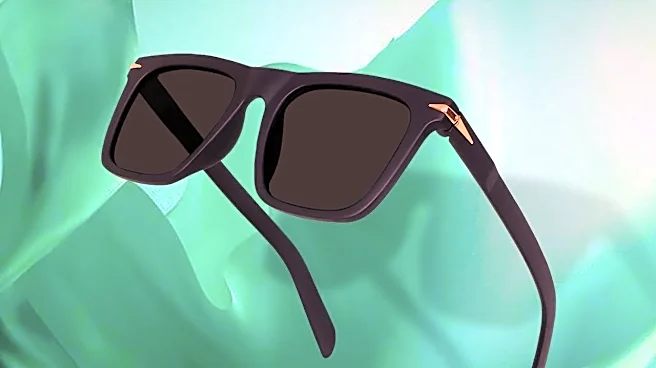
The initial vision for smart glasses was straightforward: shrink a smartphone screen and place it in your line of sight. Early attempts and first-generation consumer products, like the original Google Glass or the first Ray-Ban Stories, focused on a few
core functions. They could display text messages, show who was calling, and let you snap a quick photo or video. They were essentially notification centers for your face, tethered to your phone and offering a hands-free way to see alerts. While novel, the use case felt limited. Users were consuming passive information—seeing what their phone already told them, just through a different lens. The devices were often bulky, had short battery life, and faced social awkwardness, leaving them as a niche gadget for tech enthusiasts rather than a revolutionary tool for the masses.
The 2026 Shift: AI Becomes the Co-Pilot
The current evolution is all about proactive assistance, not passive alerts. The major change in 2026 is the deep integration of advanced, on-device artificial intelligence. Instead of just showing you a notification, new models from companies like Meta, Google, and others are designed to understand your context and help you interact with the world. It’s the difference between your glasses telling you that you have a message and your glasses translating a foreign language sign you're looking at in real-time. This shift is powered by more efficient processors, like Snapdragon's AR-focused chips, and sophisticated AI models that can run directly on the device, providing instant analysis and feedback without constant reliance on a smartphone.
What 'Assistance' Actually Looks Like
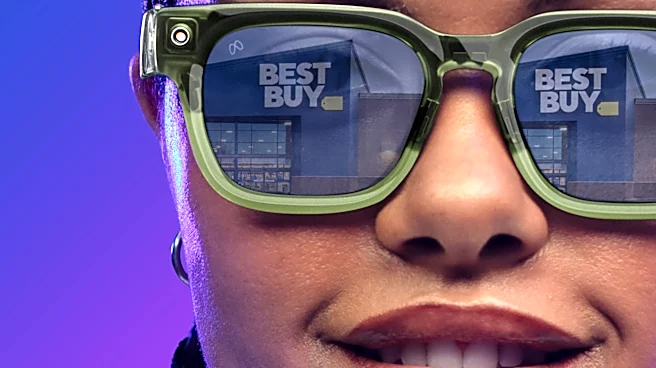
So, what can an AI-powered assistant in your glasses do? The applications are tangible and immediately useful. Imagine pointing at a landmark and asking your glasses, "What building is that?" and getting an audible answer. Or looking at ingredients in your fridge and having your glasses suggest a recipe. At Google's recent I/O conference, the company showcased eyewear capable of providing turn-by-turn walking directions that adapt based on which way you're facing. Meta's latest AI updates for its Ray-Ban glasses allow them to visually analyze what the wearer sees and answer questions about it. These features go far beyond simple information display. They perform tasks: translation, navigation, identification, and contextual search, turning the glasses from a passive screen into an active co-pilot for your daily life.
Why It Matters: The Path to True AR
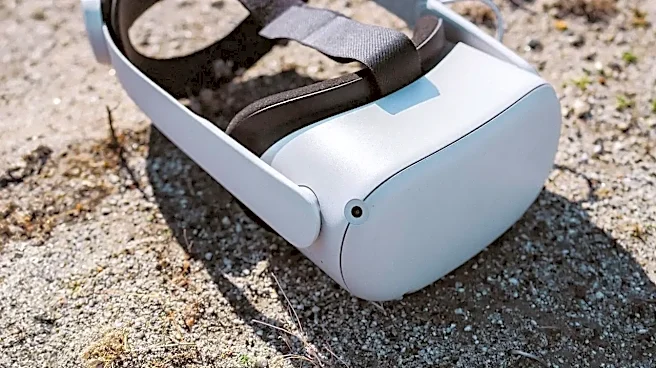
This move from notifications to assistance is more than just an upgrade; it’s a critical stepping stone toward true augmented reality (AR). While many of the current leading models are still "audio and camera-first" glasses without a visual overlay, they are building the foundational software and user habits for a future where digital information is seamlessly layered onto the real world. By getting users comfortable with asking a wearable AI for help, tech companies are paving the way for AR glasses that will eventually project that information directly into our field of view. The market is responding, with shipments of smart glasses surging in the past year. This gradual, function-first approach—solving real problems like navigation and translation—is proving far more successful than a head-on attempt to sell a bulky, all-in-one AR headset. It's making wearable tech practical for today, while building the ecosystem for the computing platform of tomorrow.