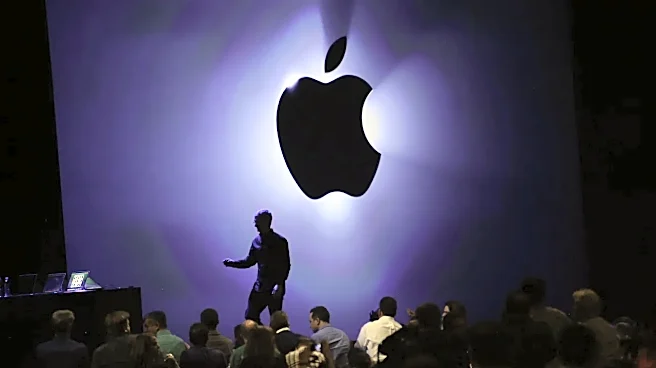








When the App Store launched in 2008, it didn't just change how we use phones; it rewrote the rules for software engineering. The principles established by the small, secretive teams behind it are more relevant than ever.
A Curated Garden, Not an Open Field
The first, most crucial decision
was philosophical: the App Store would be a 'walled garden'. While Apple CEO Steve Jobs initially resisted third-party native apps altogether, he was eventually persuaded. The compromise, spearheaded by then-SVP of iOS Software Scott Forstall, was to allow developers in, but only on Apple's terms. This meant creating a comprehensive Software Development Kit (SDK) and a strict review process. This 'quality gate' approach was controversial, with critics calling it restrictive. But it created a predictable, secure user experience that competitors couldn't easily match. Today, this model of platform curation is standard practice. From Salesforce's AppExchange to the Shopify App Store, the most successful platforms act as trusted curators, understanding that quality control builds user confidence and, ultimately, a more valuable ecosystem.
Developer Experience as a Product
Forstall's team made a critical insight: to attract the best app creators, the developer tools themselves had to be a world-class product. By basing the iPhone SDK on the well-known Mac OS X, Apple enabled a massive community of existing Mac developers to start building for the iPhone with minimal retraining. The SDK provided not just the code, but also an iPhone simulator and tools that gave developers access to the device's unique functions. This focus on developer enablement democratized app creation and unleashed a wave of innovation. The business deal was equally revolutionary: developers set the price and kept 70% of the revenue, while Apple handled hosting, distribution, and payments. This simple, powerful model created the 'app economy' and remains the blueprint for how platforms attract and empower third-party creators today.
An Obsession with the 'Feel'
The early iPhone team was famously obsessive about details that other companies ignored. They understood that the user's emotional response was a function of design. This meant ensuring that every interaction, from the bounce of a scrolling list to the timing of an animation, felt responsive and intuitive. This philosophy was embedded in the engineering culture. Prototypes were essential for experimenting with transitions and physics, allowing designers and engineers to perfect the 'feel' before writing final code. This relentless focus on usercentric design ensured that even the first, relatively simple apps felt polished and delightful. In modern engineering, this lesson endures. As one veteran iOS developer noted, the tools change—from ObjectiveC to Swift, UIKit to SwiftUI—but the 'taste' for what makes a good user experience is timeless. Successful engineering teams know that performance isn't just about speed; it's about how an application feels in a user's hand.
Iteration,
Secrecy,
and Big Bets
The original iPhone was developed under a cloak of extreme secrecy,
with a handpicked internal team.
Forstall's software group worked in a fierce internal competition against another team to prove their approach of shrinking the Mac's operating system was the right path.
This intense,
focused environment fostered rapid iteration.
But it was paired with a willingness to take calculated,
company defining risks.
Forstall later recounted how Apple canceled the entire best selling iPod Mini line to make way for the iPod Nano before the new product had even shipped,
a move that could have been devastating.
This combination of disciplined iteration and bold,
strategic bets was key to the App Store's success.
It launched with just 500 apps but quickly proved the model worked.
This mindset continues to shape how innovative tech companies operate:
build,
test,
and refine in focused cycles,
but don't be afraid to make big,
disruptive moves based on a core belief in your product.