




From 'Shark Tank' Reject to Household Name
The story of the video doorbell is, in many ways, the story of Ring. Initially called DoorBot, the device was famously rejected on the show 'Shark Tank'. Yet, founder Jamie Siminoff’s idea was simple and powerful: let people use their smartphones to see
and speak to whoever was at their front door, from anywhere. This solved two key problems at once: the convenience of not missing a visitor and the security of screening them remotely. In its early days, before it was a tech giant's subsidiary, Ring grew by addressing a very real anxiety for homeowners: the rise of package theft. This focus on a single, tangible problem resonated with consumers far more than abstract concepts of the 'smart home.' It wasn't about complex automation; it was about protecting your Amazon delivery. This practical application was the secret to its initial, explosive growth.
The Real Product Was Never the Doorbell
The true genius of the video doorbell model wasn't just in the hardware—it was in the subscription. Companies like Ring realized early on that the real, sustainable business was not in the one-time sale of a $199 device, but in the recurring revenue from cloud storage plans. Want to save and review the videos your doorbell records? That requires a subscription. This model transformed the economics of consumer hardware. Previously, a company’s relationship with a customer ended at the checkout counter. Now, the sale was just the beginning of a long-term, revenue-generating relationship. This shift from product to service became the new gold standard. It provided companies with predictable income streams and justified continuous investment in software features like AI-powered person detection, which in turn made the subscription more valuable.
Building an Ecosystem, Not Just a Device
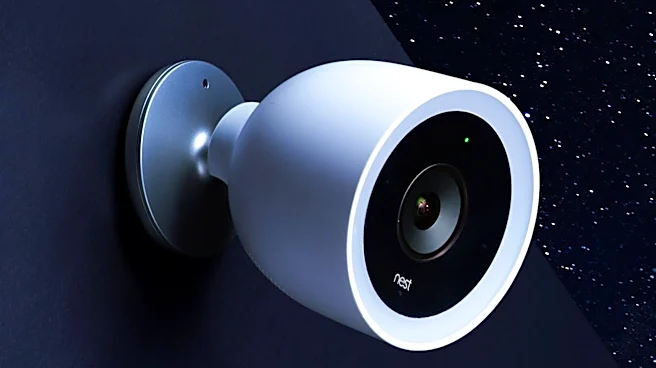
When Amazon acquired Ring in 2018 for over $1 billion, it wasn't just buying a doorbell company; it was acquiring the front door to the American home. The acquisition supercharged Ring's growth and solidified its market position. More importantly, it demonstrated the power of the ecosystem. Suddenly, the Ring doorbell wasn't a standalone gadget. It was a key node in Amazon’s sprawling network. It integrated seamlessly with Alexa, allowing users to see a live feed on an Echo Show or Fire TV with a simple voice command. This integration created a powerful lock-in effect. Once you owned a Ring doorbell, it made more sense to buy other Ring security cameras or an Echo device than to mix and match with competing brands like Google's Nest. The doorbell became the anchor for a whole-home system, a strategy competitors quickly moved to replicate.
The Ripple Effect on the Tech Industry
The video doorbell's playbook has been copied across the consumer electronics landscape. Look at fitness trackers: the device is the entry point, but the real value (and profit) is in the subscription for advanced analytics and guided workouts. Consider smart kitchen appliances that unlock recipes and features through a paid service. The formula is the same: sell a piece of connected hardware, then monetize its capabilities through a recurring subscription that locks the user into a specific ecosystem. The video doorbell taught the industry that consumers were willing to pay ongoing fees for hardware they already owned, as long as it provided tangible, evolving benefits. It shifted consumer expectations from buying a static product to investing in a dynamic service, fundamentally reshaping what a piece of consumer hardware could—and should—do.