





Wait, Did VMware Actually Move?
Here’s the twist: VMware didn't move. Its new parent company, Broadcom, moved into VMware’s house. After Broadcom acquired the virtualization giant for a staggering $69 billion in late 2023, it made a significant real estate decision. Instead of keeping
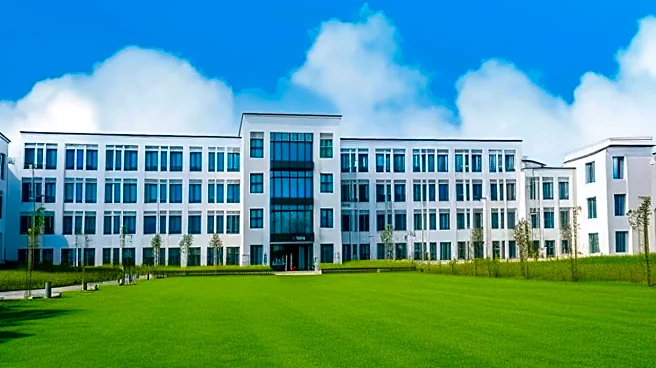
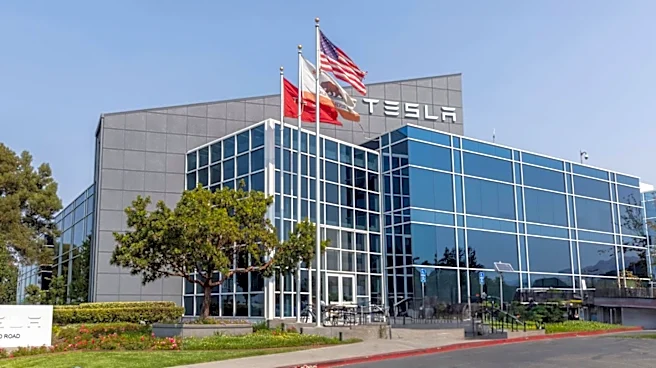
its own headquarters in San Jose, Broadcom relocated its entire global headquarters to VMware's sprawling, 105-acre campus in Palo Alto. So, while the sign on the door might effectively change, the campus itself remains the corporate hub. The original headline, however, points to a deeper truth: the soul of the company, its culture, and its operational center of gravity have been fundamentally relocated under new, and very different, management.
The Broadcom Blueprint: Aggressive Cost-Cutting
To understand the 'real reason' for the change, you have to understand Broadcom and its CEO, Hock Tan. Broadcom has a well-earned reputation for acquiring successful companies and then ruthlessly optimizing them for profitability. This blueprint almost always involves aggressive cost-cutting, eliminating redundancies, and wringing out every drop of financial efficiency. Immediately following the acquisition, this strategy went into effect. Broadcom announced plans to boost VMware's profitability from around $4.5 billion to $8.5 billion. This involved widespread layoffs, including over 1,200 employees in the Bay Area alone, and a radical overhaul of VMware's product and pricing strategy. The company slashed its roughly 170 product offerings down to just two main bundles and shifted all customers from perpetual licenses to more expensive subscription models, leading to huge price hikes for many clients.
The End of Remote Work Flexibility
A massive part of the old VMware's identity was its flexible, work-from-anywhere culture, which was embraced long before the pandemic made it mainstream. That ended the moment Broadcom took over. CEO Hock Tan made his position crystal clear in an all-hands meeting, stating, "Remote work does not exist at Broadcom." Employees living within 60 miles of an office were ordered back. This was a jarring culture clash. Tan had previously commented on VMware's "beautiful campus in Palo Alto that remains empty," adding pointedly, "Real estate isn't cheap." The move to consolidate the headquarters at the Palo Alto campus and demand an in-person presence was a direct reversal of VMware's established remote-first policy and a clear signal that the company's culture was being rebuilt from the ground up in Broadcom's image.
A Strategic Real Estate Play
By moving its own headquarters to the much larger, more prestigious VMware campus, Broadcom was able to consolidate its operations and asset portfolio. While it sounds like a simple move, it was part of a larger financial and operational strategy. The company now controlled one of Silicon Valley's largest corporate campuses, an 18-building, 1.6 million-square-foot development in the highly desirable Stanford Research Park. While mandating a return to office, reports soon surfaced that Broadcom was also looking to put up to two-thirds of the massive campus up for sale or lease. This suggests a multi-pronged strategy: centralize the combined workforce in one key location to enforce a new corporate culture, while simultaneously leveraging the valuable real estate portfolio acquired in the deal to generate cash and further streamline the balance sheet. It was a classic private equity-style move, treating the campus not just as a workplace but as a financial asset to be optimized.