
1. The Market Is Actually Growing
The surest sign of a product going mainstream is that people are buying it in significant numbers. In the first quarter of 2026, shipments of smart glasses without a display surged 167% year-over-year,
nearly matching the total sales for all of 2024 in just three months. Market forecasts predict the category will surpass 15 to 20 million units shipped globally in 2026. This isn't a niche hobby anymore; it's a rapidly scaling consumer electronics category.
2. Fashion Brands Are in Charge
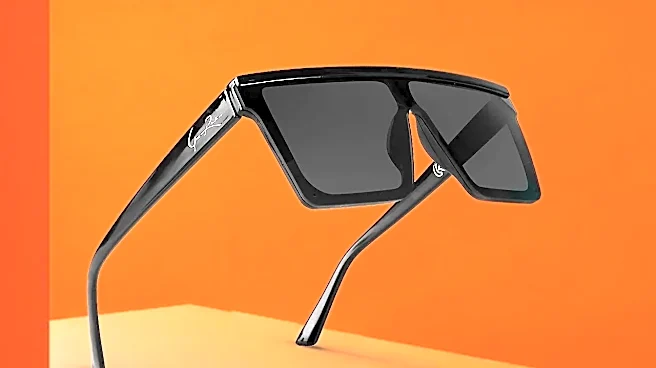
Early smart glasses looked like science projects. The devices finding success in 2026 look like glasses. The turning point was tech companies realizing they should handle the tech, and let fashion brands handle the fashion. Meta’s partnership with EssilorLuxottica for its Ray-Ban models now dominates the market. Not to be outdone, Google has partnered with Warby Parker and luxury brand Gentle Monster for its own line of AI glasses, ensuring style and wearability are prioritized. When Gucci and Oakley are in the game, the aesthetic is no longer an afterthought.
3. An Actual App Ecosystem Is Forming
Hardware is only half the battle; software is what makes a device indispensable. For years, smart glasses lacked a unified developer platform, leaving app creation fragmented. That's changing with the arrival of operating systems like Google's Android XR. This provides a common foundation for developers to build on, similar to what Android did for smartphones. Companies like Rokid are even launching browser-based studios that let users create AI agents for their glasses with no coding experience required, opening the door for a wave of user-generated applications.
4. Proactive AI Is the 'Killer App'
The first smart glasses were glorified notification centers. The latest generation aims to be a true assistant. Instead of just reacting to commands, today's AI glasses use their sensors and cameras to understand your context. They can translate a menu you're looking at, provide navigation without you asking, and summarize important messages. This shift from passive gadget to proactive co-pilot is what gives the technology a compelling purpose beyond just taking hands-free photos.
5. The Price Is Becoming Sensible
For mainstream adoption, the price tag has to make sense. In 2026, smart glasses are settling into distinct and accessible price tiers. Entry-level audio and basic AI glasses can be found for $150 to $250. The most popular mid-range models, like the Ray-Ban Meta glasses, sit in the $300 to $600 range, comparable to a high-end pair of headphones or a smartwatch. This pricing strategy moves them out of the realm of expensive novelties and into consideration for a typical consumer's tech budget.
6. Your Boss Wants to Buy You a Pair
While consumer adoption gets the headlines, enterprise use is a powerful driver. Businesses are increasingly equipping employees with smart glasses for tasks like remote assistance, hands-free training, and inventory management. A field technician can stream their point of view to an expert for guidance, or a warehouse worker can get visual picking instructions. As companies see real productivity gains and invest in the technology, it accelerates development and drives down costs for everyone.
7. The Tech Disappears (Visually, at Least)
The biggest barrier to early smart glasses was social acceptance. No one wanted to be a "glasshole." The dominant trend in 2026 is for the tech to be as invisible as possible. Most top-selling models are audio-first, with no display, making them indistinguishable from regular eyewear. Even models with displays are becoming more subtle. While privacy concerns remain a major topic of discussion, with some law enforcement agencies raising alarms, the inclusion of features like external LED recording indicators is an attempt to build social norms around their use.
8. Battery Life Is Good Enough for a Full Day
A device that dies by lunchtime is a device that gets left at home. One of the most significant, if unglamorous, advances has been in battery life. Many current AI glasses offer 4 to 6 hours of mixed use on a single charge. More importantly, they come with charging cases that can extend the total daily capacity to 30 hours or more, a model borrowed from the world of wireless earbuds. This all-day capability is crucial for making smart glasses a reliable daily companion rather than a temporary accessory.
9. Big Tech Is in an Arms Race
Nothing signals an emerging market like a full-blown competition between tech giants. Meta is currently the undisputed leader, with a market share over 70%. But the race is heating up. Google is making a serious play with its Android XR platform and hardware partners like Samsung. Meanwhile, companies like Apple are reportedly developing their own models. This intense competition is accelerating innovation, expanding marketing budgets, and ensuring a steady stream of new products and features for the foreseeable future.