






1. Fixating on Megapixels Alone
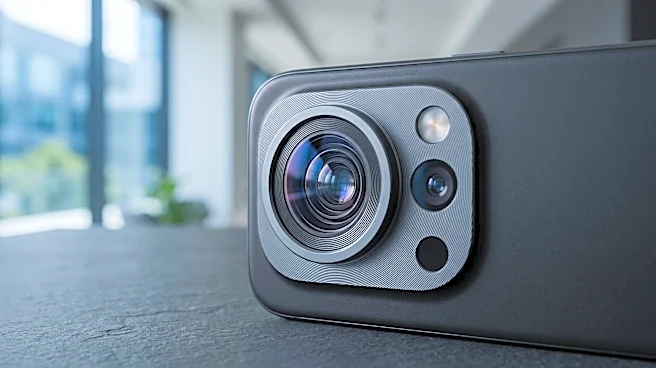
It’s an old habit, but still the most common trap: judging a camera by its megapixel count. While the Pixel 11 features a high-resolution main sensor, its real strength lies in computational photography. Google’s software, powered by the new Tensor G6
chip, processes images to enhance detail, improve low-light performance, and ensure color accuracy. A rival phone might have more megapixels, but the Pixel’s secret sauce is how it uses AI to create a better final photo. Instead of just looking at the numbers, consider the software features like Night Sight speed and Pro Zoom capabilities, which are often more important for day-to-day shots.
2. Misunderstanding the Tensor G6 Chip
If you’re comparing the Pixel 11’s Tensor G6 chip to competitors using raw benchmark scores, you’re missing the point. Google doesn't design its chips to win speed tests; it designs them to power advanced AI and machine learning tasks efficiently. This is what enables features like faster on-device AI tools, smarter call screening, and complex photo editing that other phones can't match. While it handles daily tasks and gaming perfectly well, its primary job is to make the phone more helpful and intelligent. Judging it like a traditional processor overlooks its main advantage.
3. Assuming 'Stock Android' Means Basic
Many buyers hear "stock Android" and think it means a bare-bones, featureless experience. This is no longer true for Pixel phones. The Pixel 11 runs on what could be called "Google's Android," a clean interface enhanced with a suite of exclusive, genuinely useful features. Tools like Now Playing, which automatically identifies music, and advanced Call Screen functions are deeply integrated into the OS. These aren't bloated add-ons; they are thoughtful improvements that differentiate the Pixel from other Android devices that often come cluttered with duplicate apps and heavy skins.
4. Judging Battery Life by Spec Sheets
Looking at the battery capacity (listed in mAh) gives you only part of the story. The Pixel 11’s longevity is heavily influenced by its Adaptive Battery features, which learn your app usage patterns and divert power from apps you rarely use. The Tensor chip is also designed for efficiency in common tasks. While the phone may get warm during intensive use or charging, its real-world battery life for a typical day is often better than the raw numbers suggest because the hardware and software are built to work together. It's more useful to look at reviews detailing a full day of use rather than just comparing battery size.
5. Only Comparing It to an iPhone
While the iPhone is a natural competitor, judging the Pixel 11 solely against Apple’s latest offering is a mistake. The Pixel is designed to be the centerpiece of Google's ecosystem. Its strengths are in its deep integration with services like Google Photos, Google Assistant, and the Gemini AI model. The value proposition isn't just about hardware parity; it's about a different philosophy of how a phone should assist you. Buyers should consider which ecosystem—Apple's polished-but-closed garden or Google's more open and AI-driven approach—better suits their digital life.
6. Ignoring Long-Term Software Support
Google’s commitment to providing seven years of OS and security updates is a massive, often-underestimated feature. This promise means the Pixel 11 will not only stay secure for years but will also continue to receive new features, maintaining its performance and usability far longer than many competitors. This extended support significantly increases the phone's long-term value, making it a smarter investment. It also helps maintain a higher resale value when you eventually decide to upgrade.
7. Getting Swayed by a Single Flaw
No phone is perfect, and early reviews or forum posts will inevitably highlight specific bugs or perceived shortcomings, such as occasional software glitches or performance hiccups under heavy load. However, making a decision based on one isolated issue is a mistake. It's more important to consider the overall consensus and whether a specific reported flaw would realistically impact your personal day-to-day usage. Many users are completely satisfied with their Pixel's performance for everyday tasks and are blown away by its camera, finding minor issues to be insignificant in the grand scheme.