






The Wrist Becomes the Battlefield
The modern smartwatch war didn't start with a big bang, but with a clever Kickstarter campaign. Before Apple and Google dominated the field, a startup called Pebble showed the world what a smartwatch could be: a simple, customizable extension of your
phone. It wasn't perfect, but it was a proof of concept that caught the attention of the giants. When Apple entered the fray in 2015, it did what it does best: it took an existing idea, polished it, and integrated it so deeply into its ecosystem that it became an aspirational product. The Apple Watch wasn't just a gadget; it was a statement. In response, Samsung, which had already experimented with wrist-worn devices, and Google with its Wear OS platform, accelerated their efforts. The war wasn't just for your wrist; it was for the central hub of your personal data stream.
The Pivot That Changed Everything: Health
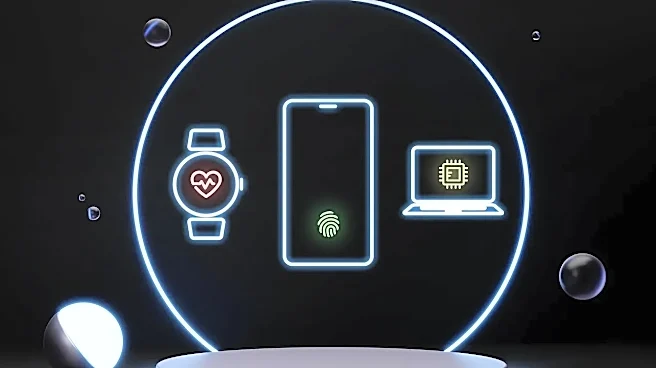
Initially, smartwatches were sold as notification machines and convenient ways to check the time. But the real turning point came when the focus shifted from convenience to wellness. Apple led this charge, transforming the Apple Watch from a lifestyle accessory into a serious health monitoring device. The introduction of an FDA-cleared ECG feature in 2018 was a landmark moment, turning a consumer electronic into a potential life-saving tool. This move forced competitors to follow suit. Soon, the 'war' was being fought over sensors and algorithms. Blood oxygen monitoring, sleep stage analysis, and irregular heart rhythm notifications became standard features across high-end watches from Apple, Samsung, and Garmin. More than 90% of users now turn to their watches for health and fitness tracking, proving this pivot defined the entire category and gave wearables a profound new purpose.
The Unseen Revolution: Ambient Computing
This is where the 'quietly reshaped' part of the story comes in. The biggest impact of the smartwatch wars has been the normalization of 'ambient computing'—the idea that technology can be a seamless, almost invisible part of our environment. Your watch doesn't demand your full attention like a laptop or even a phone. It offers information in quick, glanceable moments: a buzz for a text, a tap for a payment, a passive log of your heart rate. These micro-interactions, happening hundreds of time a day, have rewired our expectations. We no longer always need to pull out a device to interact with the digital world. Computing has moved from a 'destination' to a constant, low-friction presence. Wearable devices, led by the smartwatch, are the primary drivers of this shift, feeding a continuous stream of personal data to our phones and the cloud, making technology more integrated into our lives than ever.
The Price of Pervasive Tech
This constant connection comes with its own set of challenges. The very data that makes these devices so useful for health tracking and convenience also creates significant privacy and security concerns. Wearables collect vast amounts of sensitive personal information, from our location and daily movements to intimate health metrics. This creates a valuable target for cybercriminals and raises questions about how this data is used by the companies that collect it. As these devices become more powerful and autonomous, the line between helpful assistant and intrusive monitor blur. The 'war' for our wrists has also created a new front in the ongoing battle for our personal data, a consequence of the computational shift that is still unfolding.