



The Seductive Promise of Being 'Ready'
On the surface, 'AI-Ready' sounds like a must-have feature. The pitch from manufacturers is that these devices contain specialized hardware designed to handle the next wave of artificial intelligence applications efficiently and locally, without always
needing the cloud. The marketing implies that buying an 'AI-Ready' machine is an investment in relevance, ensuring your new gadget won't feel obsolete in a year. It speaks to a deep-seated consumer anxiety: the fear of being left behind by technology's relentless march. Companies are betting you'll pay a premium for a device that's prepared for a future of AI-powered video editing, smarter operating systems, and real-time digital assistants.
Beneath the Sticker: What's Really Inside?
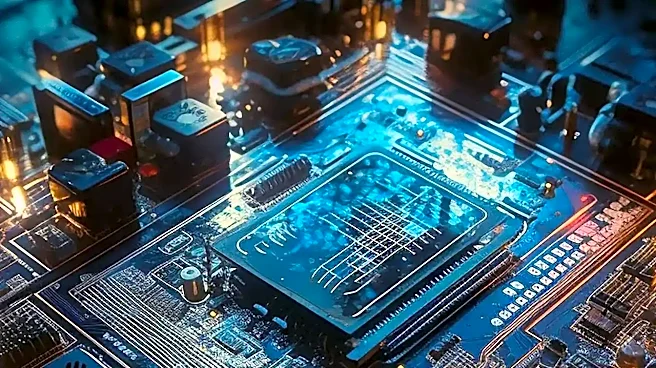
The problem is, 'AI-Ready' has no standardized definition. For some laptops, it means the inclusion of a Neural Processing Unit (NPU), a specialized chip designed specifically to run AI tasks with low power consumption. An NPU is like a specialist brought in for one job, freeing up the main CPU (the generalist) and the GPU (the graphics expert) to do what they do best. This can lead to tangible benefits like longer battery life during video calls that use background blur or real-time transcription. However, other devices get the 'AI-Ready' label simply for having a decent processor and enough RAM. Microsoft has tried to create a standard with its 'Copilot+ PC' branding, which requires a 40+ TOPS (trillions of operations per second) NPU, 16GB of RAM, and a 256GB SSD, but many 'AI-Ready' claims don't meet this bar. The label is often a marketing wrapper for a wide spectrum of capabilities, from genuine specialized hardware to just slightly above-average specs.
We've Been Here Before, Folks
If this all sounds familiar, it should. The tech industry has a long history of rolling out vaguely defined, aspirational terms to drive upgrade cycles. Remember 'HD-Ready'? In the early days of high-definition television, this label was slapped on screens that could display an HD signal but often lacked a true 1080p native resolution, which was later marketed as 'Full HD'. It created a confusing, tiered market that pushed consumers toward more expensive models. We saw it again with 'VR-Ready' PCs and even 'Plug and Play' peripherals back in the 90s. 'AI-Ready' is simply the 2026 version of this classic playbook: create a desirable-sounding category, keep the definition flexible, and let consumer FOMO do the rest.
So, Should You Care About 'AI-Ready'?
Instead of looking for the sticker, it's better to ask yourself what you actually do. The main advantage of on-device AI acceleration via an NPU is performing sustained, low-intensity AI tasks efficiently. Think real-time language translation, smarter camera effects, or background processes in your operating system. For heavy-duty AI work, like training a model or running a large language model locally, a powerful GPU is still king. An NPU isn't a replacement for a good GPU; it's a new, specialized tool. If your daily workflow doesn't involve the specific tasks NPUs are good at, you may be paying a premium for a feature you'll barely use. The label sells a fuzzy concept of 'future-proofing,' but the real value is in the specific, present-day applications.