








The Ruckus Pitch: It’s All About the Antenna
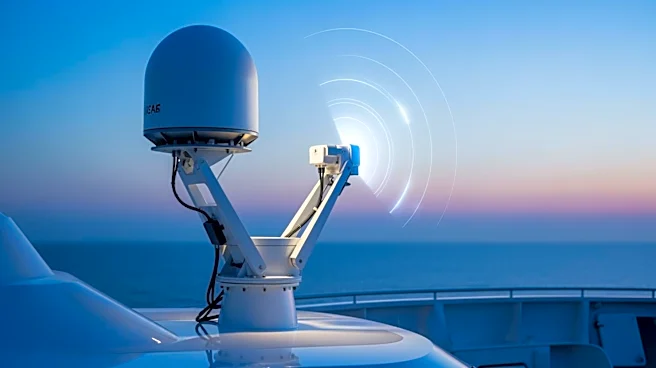
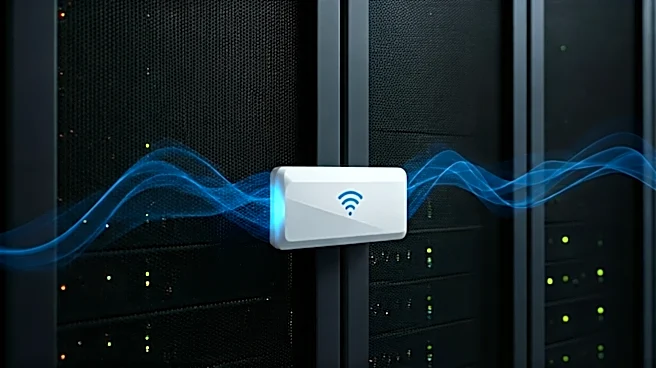
At the heart of the Ruckus value proposition is a piece of patented technology called BeamFlex. While most Wi-Fi access points (APs) use static, omnidirectional antennas, Ruckus APs contain a compact, software-controlled smart antenna array. Think of it like
a miniature satellite dish that can change its shape and direction hundreds of times per second. Instead of just blasting a signal everywhere and hoping for the best, BeamFlex technology actively steers the Wi-Fi signal toward each connected device while simultaneously steering *away* from sources of interference. On paper, this is a game-changer. It promises stronger, more reliable connections, better performance in crowded environments (like auditoriums or stadiums), and greater coverage with fewer APs. For years, this was the 'secret sauce' that allowed Ruckus to punch above its weight against giants like Cisco.
Production Reality #1: The Environment Is Boss
BeamFlex works—often brilliantly—but its magic is heavily influenced by the physical environment. In a clean, open-plan office or a warehouse with minimal obstructions, the technology can perform exactly as advertised, finding optimal signal paths with ease. This is the 'lab' condition. However, 'in production' means dealing with the chaos of the real world. Introduce thick concrete walls, metal filing cabinets, moving elevator cars, microwave ovens, and unpredictable crowds of people, and the AP's job gets exponentially harder. The adaptive antenna can still outperform a standard AP, but the performance delta might not be as dramatic as marketing materials suggest. A poorly planned deployment, where APs are placed in closets or behind large metal ducts, can neuter the benefits of BeamFlex entirely. The technology isn’t a magic wand; it’s a sophisticated tool that requires thoughtful physical placement to deliver on its promise.
Production Reality #2: The Management Maze
A network is only as good as its management interface, and this is where Ruckus's history gets complicated. Unlike competitors who often have one simple cloud-based dashboard (like Cisco Meraki) or a single software controller (like Ubiquiti UniFi), Ruckus has offered multiple management platforms over the years. There’s ‘Unleashed’ for smaller, controller-less deployments; ‘ZoneDirector’ physical appliance controllers for mid-sized businesses; and ‘SmartZone’ (virtual or physical) for large-scale enterprise and carrier deployments. While this provides flexibility, it also creates potential confusion. An IT team might spec a project based on one platform's features, only to find their budget or scale pushes them to another with a different workflow and licensing model. This isn’t a deal-breaker, but it’s a critical production detail. The elegance of the hardware can be undermined by the complexity of choosing and learning the right management system for your specific scale and technical expertise.
Production Reality #3: The Ecosystem and Support Question
No vendor is an island. In a production environment, you depend on firmware updates, security patches, technical support, and a predictable product roadmap. Ruckus was acquired by Brocade, which was then acquired by Arris, which was finally acquired by CommScope in 2019. While the core Ruckus engineering team has remained largely intact, these successive acquisitions have created uncertainty for some customers. Questions about long-term support, integration with the broader CommScope portfolio, and the pace of innovation are valid real-world concerns. For an IT manager, betting on a vendor is a multi-year commitment. They need to be confident that the company will continue to support the hardware and software they’ve deployed. While Ruckus continues to release new products, potential buyers must factor in the corporate context, as it directly impacts the lifecycle and total cost of ownership of the network.