









Redefining Communication Itself
Before Snapchat, social media was a museum. Your Facebook wall was a permanent, curated gallery of your life’s best moments. Communication was performative and archival. Snapchat’s core premise—ephemeral messaging—wasn’t just about making photos disappear;
it was a philosophical rebellion against this digital permanence. Evan Spiegel and co-founder Bobby Murphy tapped into a fundamental truth about human interaction: most of it is fleeting, contextual, and informal. By creating a space where conversations didn't have to be perfect or polished, they lowered the barrier to communication. This wasn't about creating a digital monument to yourself; it was about talking with your friends the same way you would in person—with throwaway glances, inside jokes, and silly faces. This shift from 'performance' to 'presence' was a radical departure, influencing everything from Instagram's direct messages to the very notion of what a 'post' could be. It taught the industry that not every digital interaction needs to leave a permanent footprint.
The Camera Became the Keyboard
Perhaps Snapchat's most profound and imitated innovation was a simple user interface choice: opening directly to the camera. On every other social app, the camera was a feature you navigated to. On Snapchat, it was the starting point, the default state. This small decision fundamentally reoriented the user's relationship with their phone. It turned the device from a text-based communication tool into a visual one. The prompt was no longer 'What are you thinking?' but 'What are you seeing?' This 'camera-first' philosophy is now the bedrock of modern social media. TikTok's entire platform is built on this principle, as are Instagram Reels and YouTube Shorts. By making the camera the new keyboard, Spiegel and his team didn't just create an app; they created a new form of literacy. They trained a generation to think, communicate, and create through their phone's lens, setting the stage for the visual-first internet we live in today.
Inventing the 'Story' Format
If you've ever tapped through a series of short video clips at the top of Instagram, Facebook, or even LinkedIn, you have Snapchat to thank. The 'Stories' format, a 24-hour reel of a user's day, was a stroke of genius that solved a major social media dilemma: how to share casual, daily updates without cluttering your pristine, permanent profile. It was the perfect middle ground between a fleeting Snap and a permanent post. The format was so powerful and intuitive that Meta CEO Mark Zuckerberg, after a failed attempt to acquire Snapchat, famously ordered his teams to clone it across his entire suite of apps. While many saw Instagram Stories' 2016 launch as a death blow to Snapchat, it was also the ultimate validation of Spiegel's vision. The format he invented was simply too good to belong to just one app; it became a fundamental feature of the social internet, a testament to its elegant design and powerful utility.
Making Augmented Reality a Daily Habit
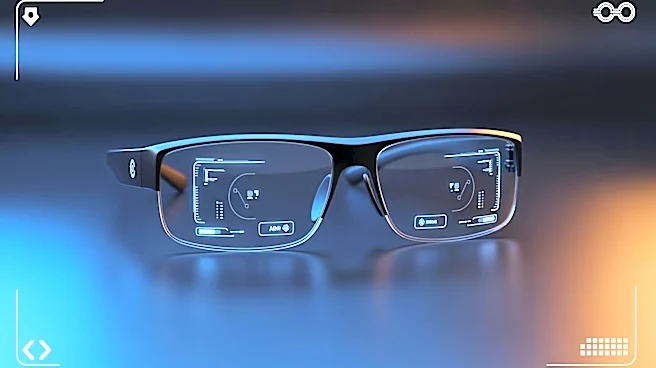
While tech giants were pouring billions into clunky headsets, Snapchat was quietly getting hundreds of millions of people to use augmented reality every single day. The playful puppy-dog ears, flower crowns, and reality-warping filters—known as Lenses—were more than just a fun gimmick. They were a Trojan horse for AR. Powered by the acquisition of a Ukrainian company called Looksery, Lenses made AR accessible, fun, and social. Snap didn't talk about 'the metaverse'; they just gave people tools to paint on the world around them. This strategy created a massive, engaged user base comfortable with AR and a powerful developer platform (Lens Studio) for creating new experiences. While competitors like Meta and Apple are now making huge bets on AR glasses and virtual worlds, Snapchat has spent a decade building the software, user habits, and creative ecosystem that will power them. Their early hardware foray with Spectacles may have stumbled, but their quiet, consistent software leadership has positioned them as a central, if often overlooked, player in the future of computing.