





The Show You See, The Story You Don't
Every year, Apple executives take the stage to showcase features designed for maximum visual impact. This year will likely be no different. Expect stunning computational photography that turns night into day, mind-bending augmented reality, and new on-device
AI features that promise a more personal and predictive assistant. These are the things that sell phones. They are easy to demonstrate and immediately understandable. A photo looks better, an app runs faster, a new trick wows your friends. But these features are often the final, visible layer of a much deeper engineering effort. The real story isn't just what the phone can do, but how it's able to do it.
So, What Is This Memory Detail?
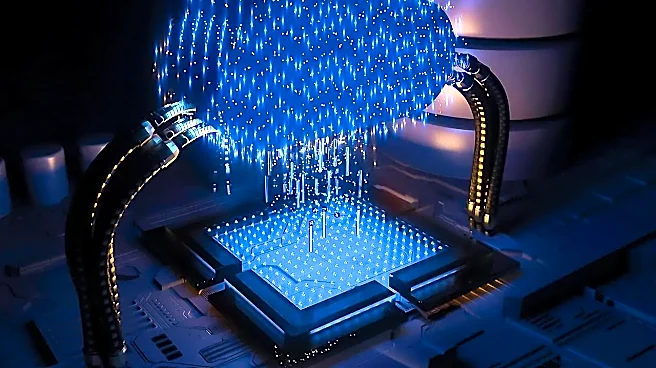
At the heart of any computer, including your phone, is a constant, frantic dance of data. The processor (CPU), graphics chip (GPU), and AI engine (NPU) are all demanding information from the device's memory (RAM). Think of it like a massive, chaotic kitchen. The CPU is chopping vegetables, the GPU is plating the food, and the AI engine is deciding the next course. All of them need ingredients from the same pantry—the RAM. The problem is getting those ingredients to the right chef at the right time without causing a traffic jam. This is where memory routing and bandwidth come in. The rumored upgrade for the iPhone 18's A20-series chip focuses on improving this data highway. For years, Apple has led with its Unified Memory Architecture, where all the chips share one pool of memory. This is already more efficient than traditional systems where data has to be copied between different memory zones. Now, the focus is on widening the lanes and building smarter interchanges. By optimizing how data is routed between the different processing units and the memory itself, Apple can reduce latency and prevent bottlenecks, ensuring the powerful processors aren't left waiting for data.
The Real-World Superpower It Unlocks
This might sound like a boring plumbing upgrade, but its effects are profound. The biggest beneficiary is on-device artificial intelligence. Advanced AI features, from real-time language translation to complex image editing, are incredibly memory-intensive. They require moving huge amounts of data to the Neural Engine instantly. A more efficient memory system means AI tasks can run faster and more reliably, without draining the battery or making the phone stutter. It’s the difference between Siri understanding you instantly versus a frustrating pause. It’s what allows the camera to apply multiple complex AI models to a video in real-time. Industry analysts have noted that as AI models become more sophisticated, memory bandwidth—not just raw processing power—is becoming the primary bottleneck. By tackling this limitation, Apple isn't just making the iPhone 18 faster; it's building a foundation for a new class of intelligent apps that aren't even possible today.
Why It's Apple's Strategic Masterstroke
This focus on memory architecture is a classic Apple move. While competitors might boast about having more gigabytes of RAM, Apple is optimizing the entire system. It's a strategic decision that looks beyond simple spec sheets. By building a more efficient data pipeline, Apple can deliver superior performance with potentially less physical RAM, controlling costs in a market where memory prices are surging due to demand from the AI data center boom. This hardware advantage, tightly integrated with its software, creates a powerful moat. Developers building for iOS can rely on a level of system performance and efficiency that is hard to replicate on other platforms, where hardware and software are not as cohesively designed. It ensures the iPhone experience remains smooth and responsive, even as apps become more demanding. It’s a long-term play that prioritizes the user experience and future-proofs the device for the next wave of computing, all while controlling the bill of materials. The flashy demo gets the applause, but the architectural improvements ensure the device lives up to the hype for years to come.