





The Foundational Gamble: Reusability
The single most important strategic bet SpaceX ever made was not about building a better rocket, but about changing the fundamental question. Instead of asking how to build a rocket, Elon Musk and his team asked what it would take to make space launch
radically cheaper. The answer was reusability. For decades, the aerospace industry treated rockets like ammunition: build them, fire them once, and let the expensive hardware burn up in the atmosphere or sink to the bottom of the ocean. This made space access astronomically expensive. SpaceX’s bet was that it could vertically land and recover the most expensive part of the rocket—the first-stage booster—and fly it again and again. It was a simple concept with an almost impossibly complex engineering challenge.
An Industry Built on Skepticism
To say this bet was unpopular is an understatement. The established aerospace world, including many veteran engineers and competitors, viewed the goal of routine vertical landings as a fantasy. The technical hurdles were immense, involving precise engine burns, atmospheric guidance with grid fins, and landing a skyscraper-sized object on a tiny platform in the middle of the ocean. Early attempts ended in spectacular fireballs, reinforcing the belief that the effort was a waste of capital. Competitors, comfortable with their cost-plus government contracts, saw no economic incentive to chase such a high-risk, high-failure endeavor. The consensus was that even if it worked, the cost of refurbishment would negate any savings.
From 'Rapid Unscheduled Disassembly' to Routine
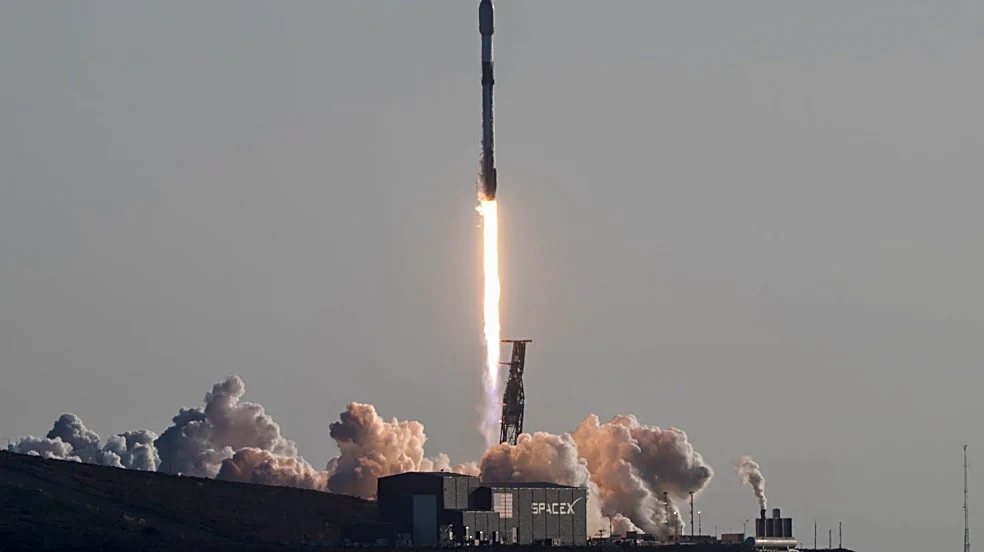
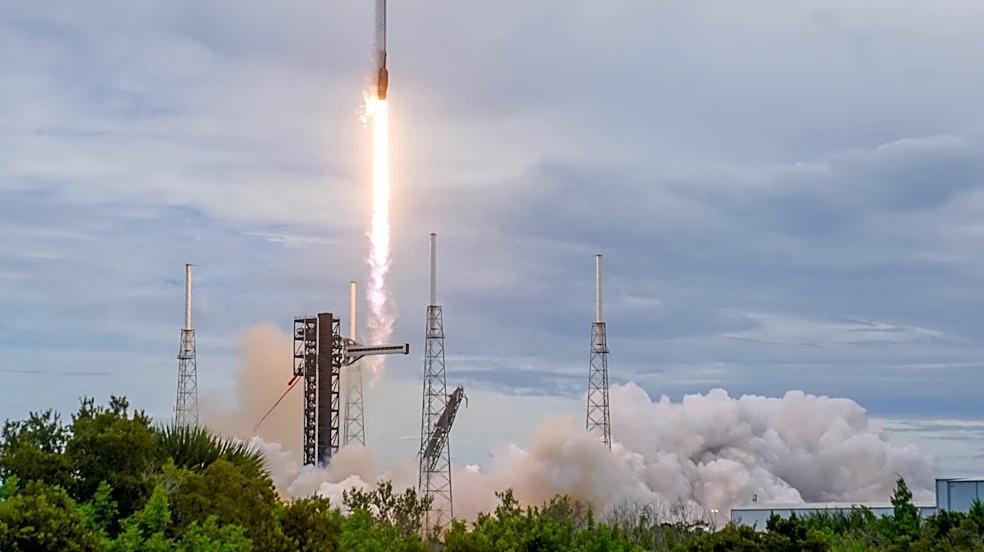
SpaceX’s now-famous persistence became legend. The company embraced a culture of 'test, fail, learn', iterating at a speed unheard of in the cautious, slow-moving aerospace sector. After several near misses and explosions, SpaceX successfully landed its first Falcon 9 booster in December 2015, a watershed moment for the company and the industry. What began as a historic achievement soon became routine. Today, SpaceX regularly lands its boosters, with some individual rockets having flown dozens of missions. This relentless execution didn't just prove the concept was possible; it demonstrated that refurbishment costs were far lower than the cost of building a new booster from scratch, just as Musk had predicted.
The Profit Engine and the Starlink Dividend
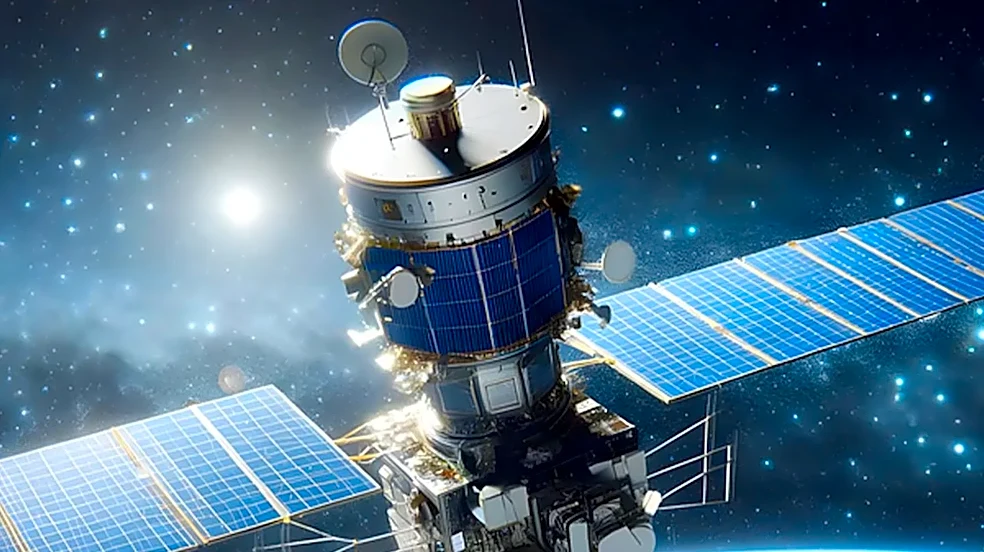
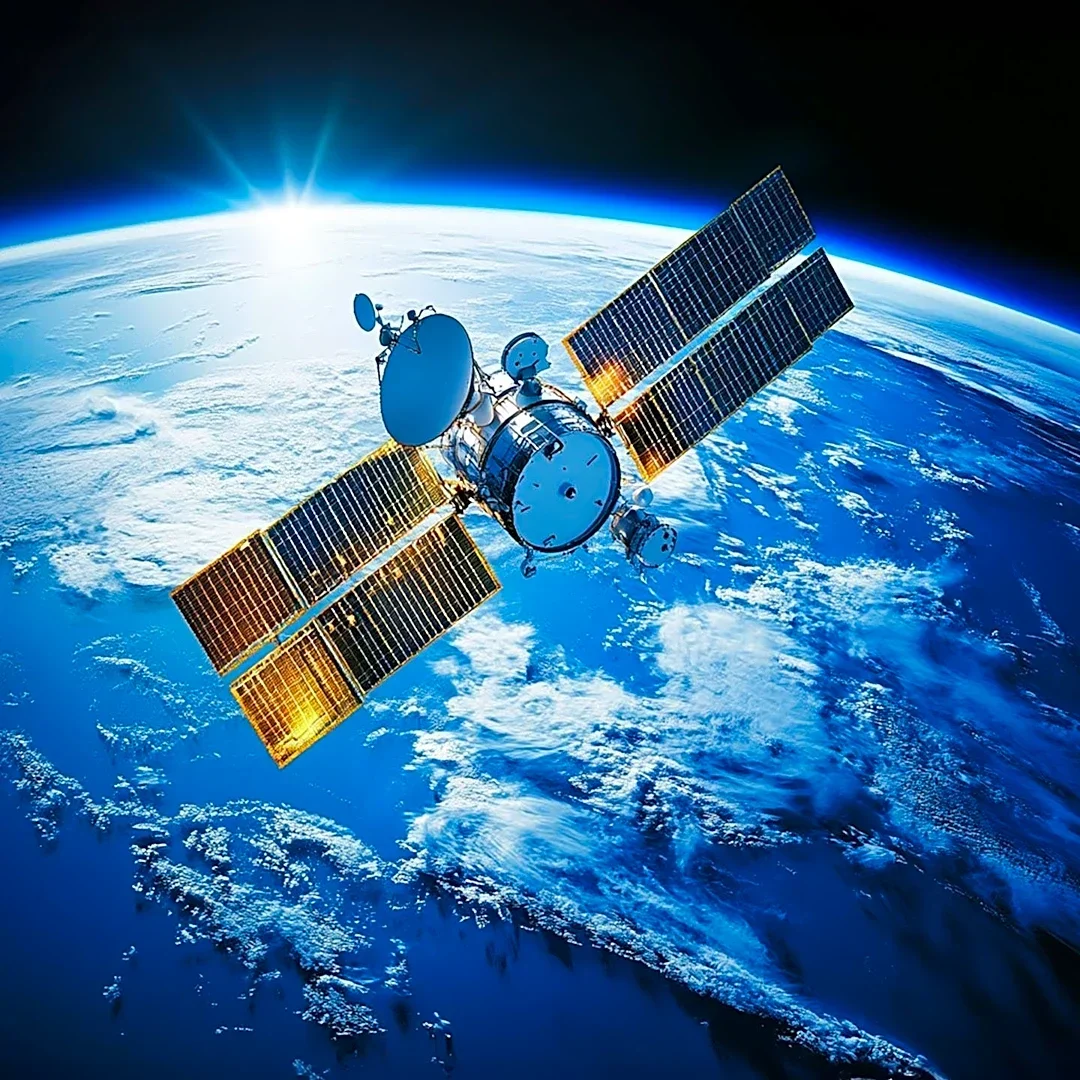
This is where the bet truly paid off, ushering in the company's most profitable era. By slashing the cost of getting to orbit, reusability did two things. First, it allowed SpaceX to dominate the commercial launch market, undercutting competitors by tens of millions of dollars per launch while maintaining healthy profit margins. Second, and more importantly, it made Starlink economically viable. Starlink, SpaceX's satellite internet constellation, requires deploying thousands of satellites. Launching them on expendable rockets would have been financially ruinous. With the low-cost, high-frequency launch capability of the reusable Falcon 9, SpaceX could build out its constellation at a fraction of the cost. That service has now reportedly become a massive, recurring revenue stream for the company, generating billions and driving its recent swing to significant profitability. The bet on reusability wasn't just about saving money on launches; it was the key that unlocked a far larger and more lucrative business in global internet connectivity.