


The Light Switch Logic of Computing
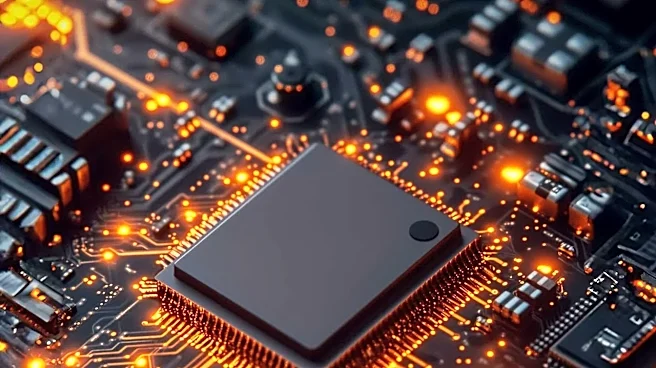
At its heart, binary code is the simplest language possible. It consists of only two symbols: 0 and 1. Think of it like a light switch. A 1 means the switch is 'on', and a 0 means it's 'off'. Computers are built on billions of microscopic electronic switches
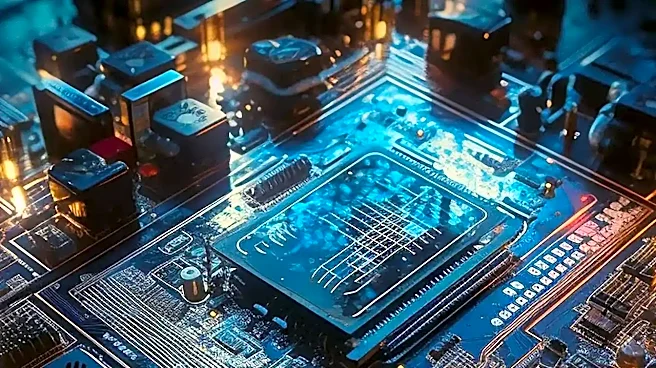
called transistors, which can only recognize these two distinct states: a high voltage (1) or a low voltage (0). This simple, two-state system is incredibly reliable and efficient for machines. While humans use a base-10 system (with digits 0-9), forcing a computer to understand ten different voltage levels would be complex and prone to errors. Binary keeps things simple and fast. By stringing these 1s and 0s together in groups called bytes (usually eight 'bits' or digits), computers can represent everything from the letter 'A' (01000001) to the complex instructions that run your favorite video game.
The Unseen Foundation of Your Digital Life
From the operating system on your laptop to the social media apps on your phone, everything eventually gets translated into binary code. Programmers write code in high-level languages like Python or Java, which are designed to be human-readable. But before the computer can run the program, a compiler translates that code into the machine language of 1s and 0s that the processor can directly execute. This universal language ensures that hardware and software can communicate seamlessly, no matter the manufacturer or platform. It’s used for storing files, transmitting data over the internet, and performing the trillions of calculations per second that power our modern world. Every photo you take and every song you stream exists as a massive sequence of binary digits.
Pushing the Limits of a Two-State System
For over 70 years, binary computing has been astonishingly successful, driven by Moore's Law, which predicted the doubling of transistors on a chip roughly every two years. But we are now approaching the physical limits of how small we can make these components. At the same time, the rise of artificial intelligence, massive data sets, and complex simulations demands ever-increasing computational power. This has led researchers to question whether the binary system alone is sufficient for the next generation of computing challenges. The sheer energy consumption of data centers, largely spent just moving binary data around, is becoming a significant concern, prompting a search for more efficient alternatives.
A Glimpse Into the Post-Binary Future
Several contenders are emerging to augment or, in some specific cases, replace binary. Ternary computing, which uses three states (-1, 0, and 1) instead of two, is one such idea. Theoretically, ternary systems could be more efficient, but building reliable hardware has proven difficult. The most prominent challenger is quantum computing. Instead of bits, quantum computers use 'qubits'. A qubit can be a 0, a 1, or a superposition of both at the same time. This property allows quantum machines to explore a vast number of possibilities simultaneously, offering the potential to solve certain complex problems exponentially faster than any classical, binary-based computer could. Neuromorphic computing, which mimics the structure of the human brain, represents another path forward, moving away from the calculator-like logic of binary toward a more interconnected model.
Why Binary Isn't Going Anywhere
Despite these exciting developments, don't expect binary to disappear. The entire global technology ecosystem, from hardware manufacturing to software development, is built around binary logic. The investment is immense, and for the vast majority of everyday computing tasks, binary remains incredibly efficient, reliable, and cost-effective. The future is less likely to be a wholesale replacement of binary and more of a hybrid model. Specialized systems like quantum computers will likely tackle specific, high-demand problems in fields like medicine and materials science, while binary-based computers will continue to handle almost everything else. Binary is poised to remain the fundamental, quiet workhorse that underpins the software you use every single day, even as new computational languages begin to speak alongside it.