




It’s Not a Library, It’s a Universe
Competitors like Netflix spend billions licensing hit shows, effectively 'renting' popularity. Disney took a different path. By acquiring Lucasfilm for $4 billion and Marvel for another $4 billion, it didn't just buy a collection of movies; it bought
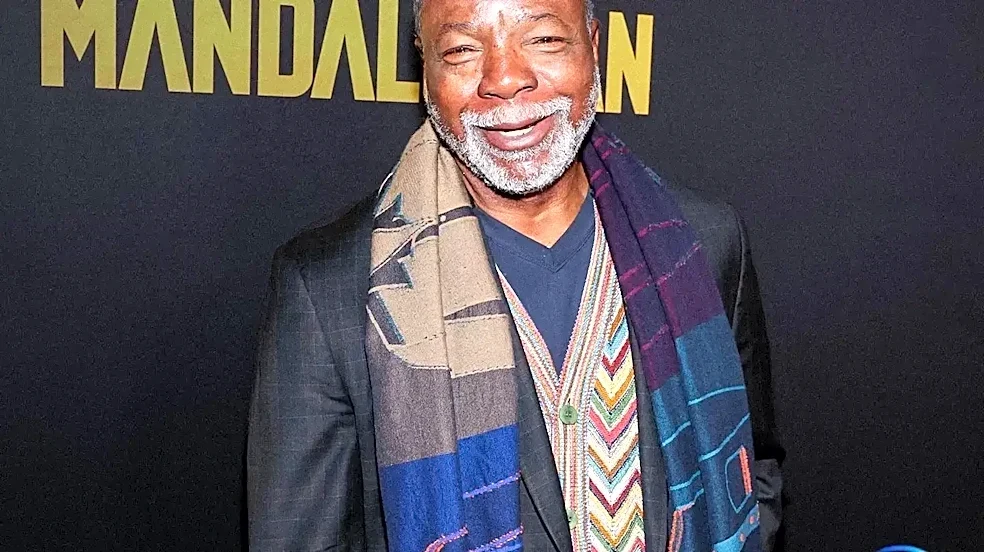
entire story universes. This is the fundamental misunderstanding of Disney’s strategy. They aren't in the business of just filling a content library. They are in the business of building worlds. Each new show or movie isn't just another title—it’s an extension of a narrative that fans are already deeply invested in. This approach transforms passive viewers into active participants in an ever-expanding saga. Shows like 'The Mandalorian' don't just exist to be watched; they expand the lore of Star Wars, creating context for future films and series, driving merchandise sales, and even inspiring theme park attractions. It’s a self-sustaining ecosystem that no competitor can easily replicate.
The IP Flywheel Effect
The true genius of the strategy is what Disney calls the 'flywheel.' A new Disney+ series like 'Loki' or 'WandaVision' isn't the end product; it's the engine. Its success drives interest in related theatrical releases, which in turn boosts toy sales and creates demand for new experiences at Disneyland or Walt Disney World. Every piece of content feeds another part of the business in a continuous loop. This model ensures that every dollar invested in a Marvel or Star Wars series pays dividends far beyond streaming subscription fees. When Disney owns the intellectual property (IP) outright, it can control and monetize every aspect of its lifecycle, from its on-screen debut to the t-shirt a fan buys a decade later. This complete ownership is Disney's ultimate competitive moat. While other services fight over licensing rights for shows they'll never truly own, Disney is playing a different, far more lucrative game.
Weaponizing Nostalgia for New Generations
One of the most potent, yet often overlooked, aspects of this strategy is its multi-generational appeal. The characters and stories from Star Wars and Marvel are deeply embedded in the cultural consciousness of Gen X and Millennial parents. Disney+ masterfully leverages this nostalgia. It creates a powerful shared experience where parents who grew up watching Luke Skywalker can introduce their own children to a new generation of heroes like Grogu. This creates a powerful emotional connection to the service that goes beyond simple entertainment. It makes a Disney+ subscription feel like a cultural necessity for families, a way to pass down stories and bond across generations. This cross-demographic appeal is incredibly difficult for newer, less established streaming services to manufacture and provides a consistent, loyal subscriber base.
A Disciplined Focus on What Works
After an initial phase of flooding the platform with content, Disney has refined its approach. Acknowledging that not all projects were hitting the mark, the strategy has shifted to a more disciplined 'quality over quantity' model. Instead of greenlighting dozens of disparate projects, the focus is now squarely on series and films that directly serve the core franchises: Marvel, Star Wars, Pixar, and Disney's own animated classics. This deliberate focus ensures that development and marketing resources are concentrated on guaranteed bets that reinforce the IP flywheel. By doubling down on what it owns and does best, Disney avoids the costly trial-and-error that plagues competitors who are constantly searching for the next 'Stranger Things' or 'Game of Thrones'. It’s a confident, calculated strategy that prioritizes sustainable profitability and long-term brand building over chasing fleeting trends.