



The Flawed Logic of the Sales Race
In the U.S. smartphone market, Apple is a titan. In the first quarter of 2026, iPhones accounted for a staggering 75% of sales at major carriers. By comparison, Google's Pixel holds a small, albeit growing, slice of the pie. But judging the Pixel on this
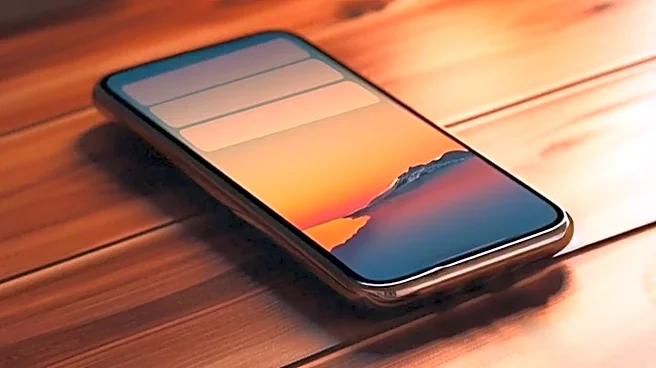
metric is like judging an indie film's artistic merit by a blockbuster's box office receipts. They are playing different games. While Apple aims for mass-market dominance and volume, Google's hardware strategy has always been more nuanced. The Pixel is a small player in a market where Apple and Samsung reign supreme, but its quiet growth in a shrinking market shows it's succeeding on its own terms. The goal isn't to outsell the iPhone; it's to create a benchmark and drive the entire Android ecosystem forward.
The Android Ecosystem's North Star
The Pixel's most critical role is one that doesn't show up in a sales report: it is the definitive Android experience. For years, Google has used the Pixel line to demonstrate what a smartphone can be when its hardware and software are built in perfect harmony. It’s a bloat-free, clean, and fluid experience that serves as a North Star for other manufacturers like Samsung, Motorola, and others. When Google introduces a new feature or design language on a Pixel, it signals to the rest of the industry where Android is heading. The Pixel is Google’s vision for the future of mobile, a physical manifestation of its software ambitions that influences the phones used by billions of people, whether they buy a Pixel or not.
A Showcase for Google's Real Superpower: AI
More than just a phone, the Pixel 11 is a delivery vehicle for Google's most important product: artificial intelligence. Google is increasingly using its hardware as a showcase for its Gemini AI platform, integrating it deeply into the user experience. Features like the AI-powered camera, which can analyze hundreds of frames to capture the perfect shot, or on-device language models are what truly set the Pixel apart. This isn't just about cool tricks. It's a core strategy. By controlling the hardware with its own Tensor chips, Google can optimize its devices for cutting-edge AI tasks in a way that wouldn't be possible on third-party hardware. The Pixel is where Google’s AI innovations meet the real world first, from photography to the Google Assistant, making the phone a living lab for the future of helpful computing.
Building an Aspirational Brand
Even with a smaller market share, the Pixel serves a vital brand-building function. It creates a "halo effect" for the entire Android ecosystem. By offering a premium, thoughtfully designed device that competes on features and user experience rather than just price, Google elevates the perception of Android as a whole. The positive reviews and loyal niche following prove that there is an appetite for a high-end, Google-first experience. This aspirational positioning helps attract users who might otherwise default to an iPhone, proving that the Android world offers more than just budget-friendly alternatives. Each person who switches to a Pixel is a win not just for Google's hardware division, but for the competitive health of the entire mobile landscape.