






The Nearly Billion-Dollar 'Failure'
The story of Microsoft's big hardware bet begins with a stumble. In June 2012, the company unveiled the Surface RT, its very first self-branded computer. It was a strange time. Apple's iPad dominated the tablet market, and Microsoft was launching its touch-focused
but confusing Windows 8 operating system. The Surface was meant to be the flagship device to show off this new software. Instead, it became a cautionary tale. Sales were sluggish, and the specialized version of its operating system, Windows RT, couldn't run the vast library of classic Windows apps, leaving users with a limited experience. The market's reaction was brutal. Just a year after launch, Microsoft announced a staggering $900 million write-down on unsold Surface RT inventory. It was a public and embarrassing admission that the bet had, by all initial accounts, failed spectacularly.
A Bet No One Else Was Making
In the early 2010s, the lines were clearly drawn. Apple made its own hardware and software, creating a tightly controlled, premium ecosystem. Google gave Android away to a host of manufacturers, fragmenting the market but achieving massive scale. Microsoft's traditional model was to provide Windows to an army of PC makers like Dell, HP, and Lenovo. By making its own PC, Microsoft was not only competing with its most important partners but also pursuing a product category that didn't truly exist: the 2-in-1, a tablet that could genuinely replace your laptop. At the time, tablets were for consumption—watching videos and browsing the web. Laptops were for creation—typing documents and doing "real" work. The Surface, with its magnetic click-in keyboard and built-in kickstand, tried to be both. Rivals were skeptical, and even Microsoft's own partners were wary of this new direction.
The 'Why' Behind the Gamble
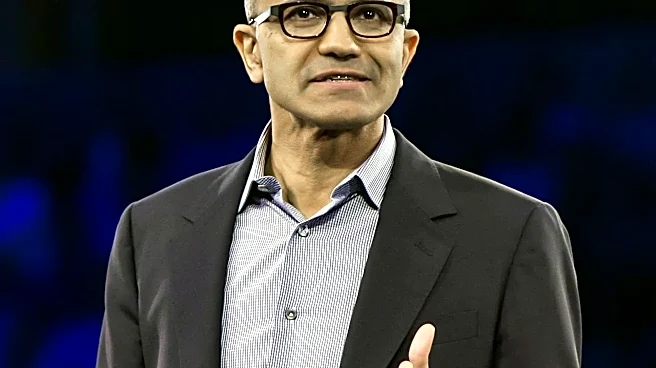
So why did Microsoft stick with it after a nearly billion-dollar loss? The answer lies in a strategic vision that went far beyond selling a few million devices. When Satya Nadella took over as CEO in 2014, he clarified the mission. Microsoft wasn't just in the hardware business; it was in the "experience business." The goal of Surface was never just to sell hardware for its own sake. It was to create a 'halo' device that showcased the absolute best of what Windows could do, especially in a world shifting toward touchscreens and mobile computing. Surface was meant to inspire and push its OEM partners to build more innovative and premium Windows devices. By creating a north star for design and functionality—like the 3:2 aspect ratio screen introduced with the successful Surface Pro 3—Microsoft could guide the entire PC ecosystem forward, ensuring Windows remained relevant against the onslaught from Apple's iPad and Google's Chromebooks.
How the Bet Finally Paid Off
The turnaround didn't happen overnight. It was the Surface Pro 3, launched in 2014, that finally nailed the concept. With a larger screen, a more versatile kickstand, and the power of a full laptop, it was the first Surface that truly delivered on the promise of being the "tablet that can replace your laptop." From that point forward, the Surface line grew into a multi-billion dollar business for Microsoft, with devices ranging from traditional laptops (Surface Laptop) to all-in-one creative studios (Surface Studio). More importantly, the bet reshaped the entire industry. Today, nearly every major PC manufacturer offers a 2-in-1 convertible or detachable laptop directly inspired by the Surface's design. The category Microsoft was mocked for inventing is now a standard, proving that the initial gamble wasn't about short-term sales but about defining the future of the personal computer.