








More Than Just Code and Algorithms
When most people think of Microsoft's AI prowess, they rightly point to its multi-billion dollar partnership with OpenAI, the engine behind ChatGPT. This strategic alliance gave Microsoft a massive head start in deploying generative AI to millions of users
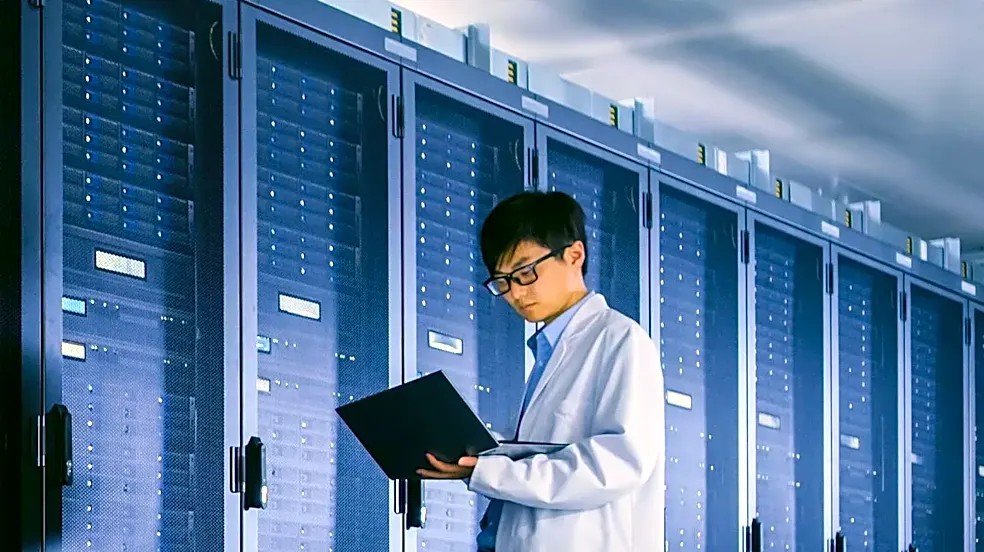
through its Azure cloud platform and Microsoft 365 productivity suite. This software and services layer is the highly visible, consumer-facing part of the AI revolution. However, artificial intelligence isn't just software anymore; it's an industrial-scale operation. Running and training large language models requires staggering amounts of specialized computing power, housed in city-sized data centers. This has turned the AI race into a physical world challenge of construction, logistics, and power management. And it is here, in the decidedly unglamorous world of pouring concrete and managing global supply chains, that Microsoft's deepest advantage is taking shape.
The Global Scramble for Silicon
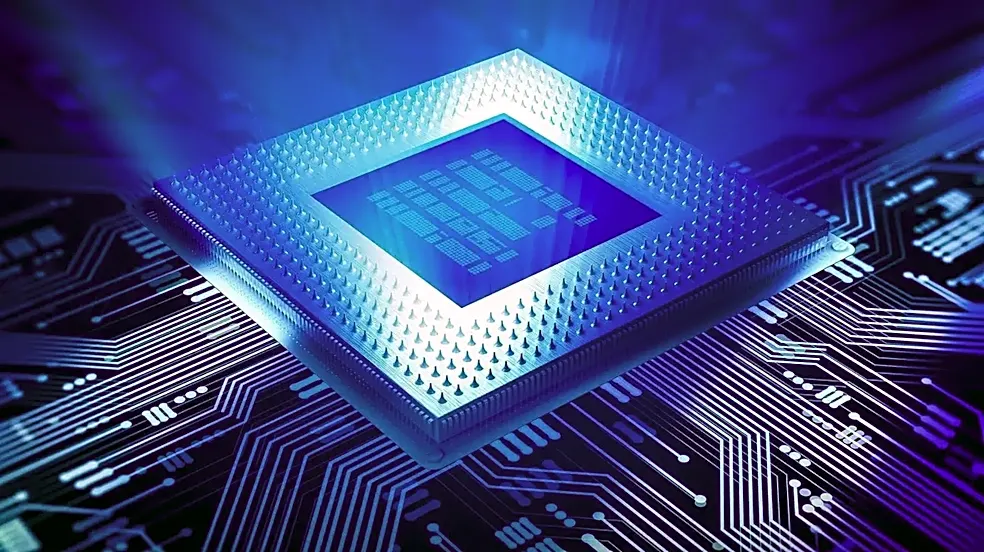
The engine of modern AI is the Graphics Processing Unit, or GPU, a market dominated by Nvidia. The launch of ChatGPT triggered a global gold rush for these chips, with demand far outstripping supply. This created a market where the ability to simply acquire these components at an unprecedented scale became a primary competitive differentiator. Reports indicate that Microsoft has become Nvidia's single largest customer, purchasing nearly half a million of its flagship 'Hopper' chips in one year—almost double the amount of its nearest rival, Meta. This buying power isn't just about writing the biggest check. It's about securing priority access, shaping supply schedules, and hoarding the essential resource that powers the entire industry. While competitors wait in line, Microsoft's massive purchase orders give it a fundamental advantage in building out its AI capacity faster and more predictably than anyone else.
Winning with a Bigger Wallet
Microsoft is weaponizing its balance sheet to build an almost insurmountable infrastructure lead. The company's capital expenditures have exploded, with plans to spend hundreds of billions of dollars by the end of the decade on building and equipping AI data centers. In calendar year 2026 alone, the company expects to spend around $175 billion. These aren't just numbers on a spreadsheet; they represent a physical expansion of historic proportions. Each data center is a complex construction project involving thousands of specialized components, from cooling systems to networking gear, all of which are themselves in high demand. Microsoft’s ability to fund this expansion allows it to place massive, long-term orders that give it influence over entire supply chains, while smaller players struggle to get the parts they need. This creates a virtuous cycle: more spending leads to more capacity, which attracts more Azure customers, generating more revenue to fund even more spending.
Designing the Future, In-House
Beyond simply buying more chips than anyone else, Microsoft is using its scale to move into the design of its own custom silicon. This strategy, similar to moves by Google and Amazon, aims to reduce reliance on any single supplier and create processors perfectly tuned for its specific workloads. Microsoft's Azure Maia chip, for instance, is an AI accelerator designed specifically for running large language models, while its Cobalt CPU is built for general cloud tasks. The latest generation, Maia 300, is expected to be significantly more power-efficient for AI inference tasks. By designing its own chips, Microsoft can optimize for performance, cost, and energy efficiency—a critical factor as AI data centers consume ever-increasing amounts of electricity. This in-house hardware program, a long-term bet that only a handful of companies on earth can afford to make, is another layer of its infrastructure moat.
The Azure Cloud Connection
Ultimately, this massive infrastructure build-out serves one primary goal: to make Microsoft Azure the undisputed platform for the AI economy. With Azure revenue recently crossing the $100 billion annual mark and demand still outpacing capacity, the strategy appears to be working. Microsoft isn't just building this capacity for its own products like Copilot; it's renting it out to thousands of other businesses building their own AI tools on Azure. By offering the most robust and available AI infrastructure, powered by a mix of Nvidia's best chips and its own custom silicon, Microsoft turns its procurement scale into a powerful customer acquisition engine. For the vast majority of companies that can't afford to build their own AI factories, renting a slice of Microsoft's becomes the default option.