
The Virtual Conference Room Is Closed
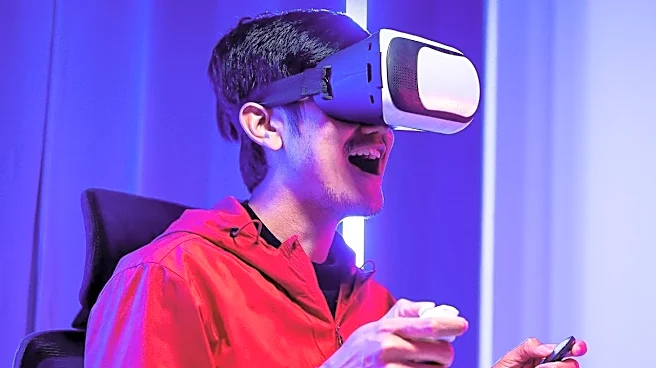
First, the big news that sets the stage for Meta Connect 2026: Meta Horizon Workrooms, the company's flagship app for VR business meetings, was officially discontinued earlier this year. The decision to
shutter the platform sent a clear signal that the initial vision of teams gathering as avatars in virtual boardrooms failed to gain meaningful traction. Instead of building the specific place where work happens, Meta has pivoted. The company still allows third-party work apps from partners like Microsoft and Zoom on its Quest headsets, but it is no longer in the business of creating the primary destination itself. This strategic retreat is not an admission of failure, but a fundamental realignment. It suggests Meta now believes the future of work isn't about replicating the office online, but about embedding technology more seamlessly into our real-world professional lives.
Your Newest Coworker Is an AI
The agenda for Meta Connect 2026 makes the new focus abundantly clear: Artificial Intelligence. Analysts expect the keynote to be dominated by announcements about AI agents—smart assistants designed to automate tasks, manage information, and act on a user's behalf. The idea is less about creating a virtual you and more about building a digital twin of your workflow that can operate across all your devices. This isn't just an external product strategy; it's a deep-seated cultural shift within Meta itself. The company reportedly updated its internal performance review criteria for 2026 to tie employee evaluations directly to their "AI-driven impact," signaling that fluency in artificial intelligence is no longer optional. This pivot suggests the real change to work culture won't be putting on a headset, but offloading cognitive work to a persistent, personalized AI.
A New Outlook Through Smart Glasses
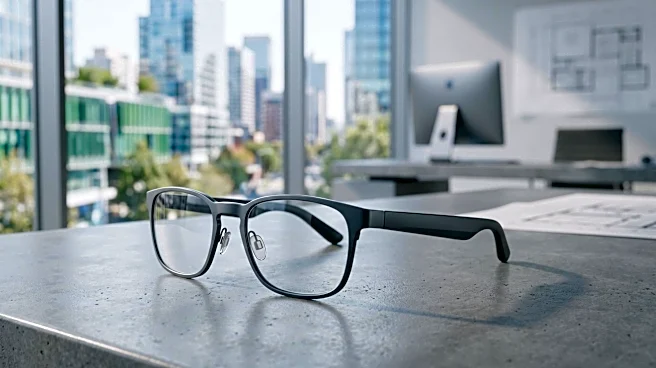
If the headset is no longer the hero product for work, what is? All signs point to smart glasses. Teasers for Connect 2026 have heavily featured eyewear, suggesting the next phase of workplace evolution is about augmenting reality, not replacing it. Imagine AI agents delivering relevant data, translations, or reminders directly into your field of view without you needing to look at a screen. This is a more subtle, ambient approach to productivity. Rather than scheduling a formal, immersive VR session, this technology would offer a persistent, context-aware layer of digital information over your physical workspace. For the culture of work, this is a profound shift. It moves the computer from your desk to your face, making digital interaction a constant, integrated part of your environment rather than a destination you consciously visit.
It's About the Platform, Not the App
Ultimately, Meta's new strategy for the workplace seems to be about becoming the operating system for the next era of computing. By discontinuing first-party apps like Workrooms, Meta is making a bet on its platform: the Horizon OS, its developer tools, and its hardware ecosystem. The company wants to provide the foundation and let other enterprise software giants build the specific solutions. Services like Meta Quest for Business, which focuses on enterprise-grade device management and security for its consumer headsets, support this model. This allows IT departments to securely manage a fleet of devices that can run a whole ecosystem of applications, rather than just one. This platform-first approach lowers the barrier to entry for businesses, who can integrate tools they already use instead of committing to a single, unfamiliar virtual environment. The cultural change, then, is one of choice and integration over a one-size-fits-all virtual world.