







Larry Page & Sergey Brin (Google): Audacious Technical Vision
Before Google was a verb, it was a research project called Backrub, run by two Stanford Ph.D. students. Larry Page and Sergey Brin weren't trying to build a slightly better search engine; they wanted to organize the entire world's information. This breathtaking
scale of ambition, grounded in deep technical insight (their PageRank algorithm), was a classic Moritz tell. He famously looked for founders tackling massive markets with a non-obvious, proprietary edge. Page and Brin’s obsession with creating a search engine that felt almost impossibly smart, coupled with their initial frugality—running the company from a garage and building servers from cheap PCs—was the perfect combination of massive vision and scrappy execution that Sequoia championed.
Jerry Yang & David Filo (Yahoo): Maniacal User Focus
Yahoo began as a simple, human-curated list called “Jerry and David’s Guide to the World Wide Web.” In the chaotic early days of the internet, Yang and Filo solved a basic need: helping people find cool stuff. Moritz was drawn to founders who were obsessed with their users' problems. Yang and Filo weren’t just building technology; they were living on the web, spending up to 20 hours a day organizing it for others. This hands-on, almost compulsive dedication to making the internet navigable was their superpower. When Moritz visited them in their messy Stanford trailer, he saw past the clutter and recognized two founders who were their own target audience, relentlessly scratching an itch that millions of others would soon feel.
Jen-Hsun Huang (Nvidia): Unwavering, Non-Consensus Conviction
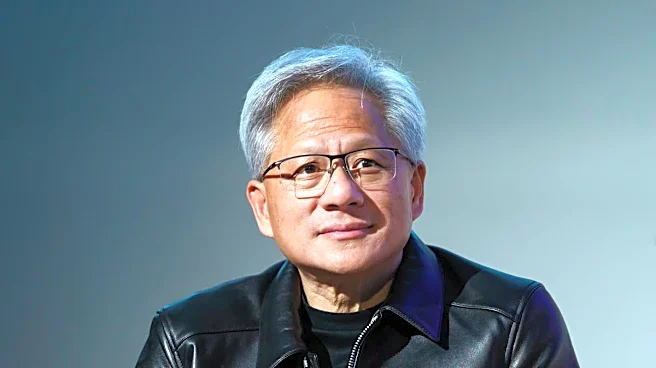
In 1993, Jen-Hsun Huang and his co-founders started Nvidia with the belief that graphics chips for PC gaming represented a huge opportunity. At the time, gaming was seen as a niche hobby, not a market that would justify a specialized computing platform. Huang’s bet was a non-consensus view that took years to pay off. Moritz and Sequoia valued founders with the resilience to pursue an unpopular vision long before it becomes obvious. Huang demonstrated an intense belief in a future that others couldn't see, coupled with the technical chops to build it. That willingness to endure early struggles and bet the company on a long-term architectural shift is a hallmark of the transformative founders Moritz sought.
The PayPal Team: A 'Mafia' of Extreme Talent Density
While Elon Musk is the most famous face, PayPal was the product of an astonishing collection of talent, including Peter Thiel, Max Levchin, and Roelof Botha (who would later join Moritz at Sequoia). Moritz and Sequoia’s investment in X.com, which merged with Confinity to become PayPal, was a bet on a team with an almost unheard-of concentration of engineering and product brilliance. They were tackling an entirely new frontier: digital payments. This required not just a great idea but an army of relentlessly bright, obsessively driven individuals who could out-maneuver banks and win a brutal competitive war. Moritz has always understood that A-plus teams can pivot and overcome incredible obstacles, and the future “PayPal Mafia” was the ultimate example of founder-market-talent fit.
Jan Koum & Brian Acton (WhatsApp): Product Purity and Frugality
WhatsApp founders Jan Koum and Brian Acton were famously allergic to advertising and gimmicks. Their singular focus was creating a simple, reliable, and private messaging service. This philosophy was forged during their time at Yahoo, where they grew tired of the focus on monetization over user experience. Koum’s background as a Ukrainian immigrant who valued private communication and a shared desire for a no-nonsense product led them to build something pure. When Sequoia invested, they agreed to a key condition: no pressure to introduce ads. This aligned perfectly with Moritz’s belief in founders who build with purpose and frugality, prioritizing a world-class product above all else. The WhatsApp story is a masterclass in how a fanatical commitment to a core principle can create immense value.