






The Public Rationale: Space and Affordability
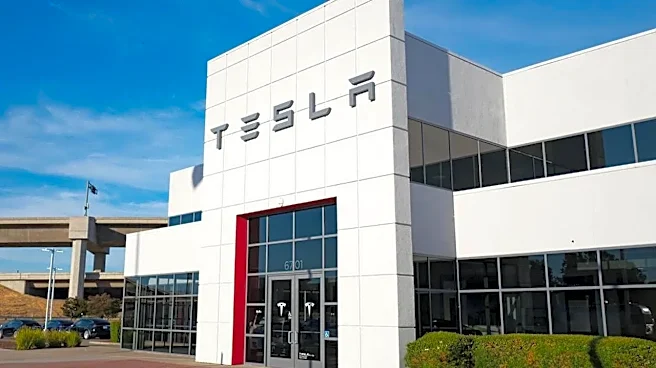
Officially, the move from Palo Alto, California, to Austin, Texas, was a simple matter of logistics. At a shareholder meeting, CEO Elon Musk cited the high cost of housing in the Bay Area, which forced long commutes on employees. He described the company's
California operations as being packed in like “Spam in a can,” arguing there was a limit to how much Tesla could scale in the Bay Area. Texas, with its vast tracts of land and more affordable cost of living, presented a clear solution. Musk pointed out that the new Gigafactory in Austin is conveniently located just five minutes from the airport and 15 minutes from downtown, offering room to grow that Silicon Valley simply couldn't match. While Tesla pledged to increase output from its Fremont, California, factory, the message was clear: for future expansion, Texas was the new frontier.
The Boiling Point: COVID-19 and California Regulations
The seeds of the move were sown long before the official announcement, watered by a growing frustration with California's regulatory environment. The tipping point came in May 2020, during the height of COVID-19 lockdowns. While California's governor had begun allowing manufacturers to reopen, Alameda County health officials ordered Tesla's Fremont factory to remain closed. Musk reacted publicly and angrily, calling the local health officer “unelected & ignorant” and the stay-at-home orders “fascist.” He filed a lawsuit against the county and threatened to move Tesla's headquarters to Texas or Nevada “immediately.” This public clash was the culmination of a deeper sentiment Musk held about California's business climate, which he felt stifled innovation with excessive rules. The fight over reopening the factory wasn't just about a few weeks of production; it crystallized Musk's view of California as an obstacle to his ambitions.
The Texas Allure: Taxes, Incentives, and a Red Carpet
While California presented roadblocks, Texas rolled out the red carpet. A primary driver for many corporate relocations to the Lone Star State is its favorable tax structure. Texas has no corporate or individual state income tax, a stark contrast to California's top marginal rate of 14.4% as of 2024. For a billionaire like Musk, whose compensation is tied to massive stock options, the personal tax savings alone could amount to billions. Beyond personal gain, Texas offered significant business incentives. To secure the new Gigafactory, Austin and Travis County offered a package worth over $60 million in tax rebates and abatements. This pro-business stance, combined with lower operating costs, a burgeoning tech scene in Austin (nicknamed “Silicon Hills”), and a skilled workforce, made Texas an almost irresistible alternative. Discussions between Musk and Texas Governor Greg Abbott had reportedly been ongoing since spring 2020, focused on a “larger vision” for Tesla's future in the state.
The Grand Strategy: More Than Just a Headquarters
Viewing the headquarters move in isolation misses the larger picture. It was a strategic consolidation. Musk had already personally relocated to Texas in 2020. His rocket company, SpaceX, has significant operations in South Texas, and the Boring Company also has a presence there. The move aligned Tesla's corporate hub with its manufacturing future. The massive Gigafactory Texas is the primary production site for the hugely anticipated Cybertruck and the company's next-generation vehicles. By centralizing his focus in Texas, Musk is creating a vertically integrated ecosystem for his ventures, from development and manufacturing to launch. This isn't just about escaping California; it's about building a new empire in a state that seems to share his grand, larger-than-life ambitions. The subsequent announcement of a potential $10.1 billion solar manufacturing complex near Houston only underscores the depth of Tesla's commitment to its new home state.