







The Billion-Dollar Parts List
At first glance, the cost seems to be all about the components. The bill of materials (BOM) for a pair of high-end augmented reality (AR) glasses is a who's who of exotic, miniaturized tech. The stars of the show are the displays and optics, which can
account for the majority of the hardware cost. Unlike a simple phone screen, these glasses use advanced micro-OLED displays and complex optical engines called waveguides to pipe images into your eyes. These components are incredibly difficult to manufacture. They require sterile cleanrooms and precision lithography, leading to low production yields where many units don't make the cut. A single set of high-end displays might cost the manufacturer hundreds of dollars alone, pushing the component cost for a single pair of glasses to anywhere from $500 to over $1,200 before a single one is even assembled.
From Lab Bench to Assembly Line
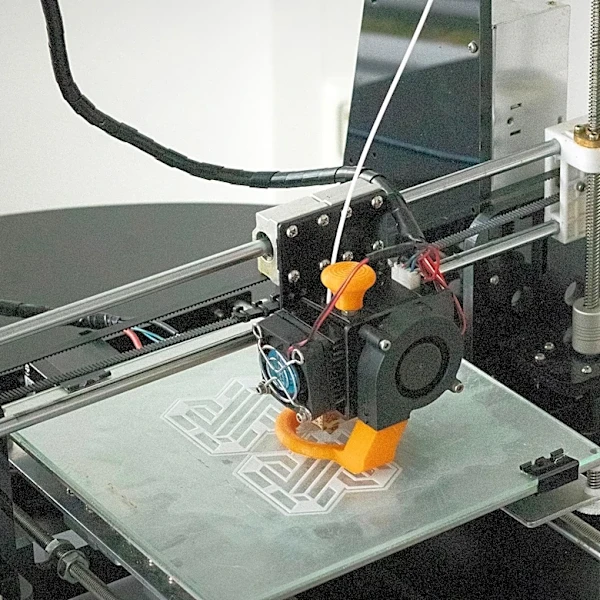
Having the parts is one thing; putting them together by the millions is another. The leap from a functional prototype to mass production is where costs explode. Companies must invest hundreds of millions in capital expenditures just to get a factory running. This includes creating custom molds and tooling for the frames, which must be lightweight, durable, and able to dissipate heat from the powerful processors inside. The assembly process itself is a major hurdle. Aligning the tiny displays and optical waveguides with microscopic precision is a delicate, often slow, process. High failure rates during this stage—known as poor production yields—have plagued the industry, meaning companies must produce far more components than they end up shipping, driving up the effective cost of each successful unit. These manufacturing and operational expenses often mean companies sell their initial products at a loss simply to gain a foothold in the market.
The Invisible Mountain of Software
Perhaps the most underestimated cost is the software. A pair of smart glasses without a robust operating system, useful apps, and a developer ecosystem is just an expensive, face-worn paperweight. The research and development (R&D) to create this software is a massive, ongoing financial drain that can easily run into the hundreds of millions or even billions of dollars. This R&D covers everything from the foundational OS to creating the software development kits (SDKs) that outside developers need to build apps. It also includes developing and integrating the artificial intelligence that powers features like real-time translation and visual search. Unlike a one-time hardware cost, software requires constant updates, bug fixes, and security patches, creating a perpetual operational expense that defines the product's long-term viability.
The Ecosystem and Supply Chain Gamble
Finally, the true scale of the cost becomes clear when you look at the entire supply chain. Key components like micro-OLED displays are only made by a handful of specialized manufacturers. This creates intense competition and supply bottlenecks, giving suppliers immense pricing power. Companies are spending hundreds of millions to build out new fabrication plants to meet projected demand, but these are multi-year projects. Furthermore, geopolitical tensions can threaten these highly concentrated supply chains, making access to critical components a strategic risk. To succeed at scale, a company isn't just building a product; it's building a global, multi-billion-dollar logistical and political operation to secure its supply lines and encourage an army of developers to believe in its platform.