




The Gospel of Simplicity
For nearly three decades, Sir Jony Ive was the soul of Apple's physical identity. Working closely with Steve Jobs, he championed a philosophy rooted in obsessive precision and the removal of anything superfluous. This wasn't just about making things look
clean; it was an ethical stance. He believed that demonstrating intense care in the creation of an object, even in parts users would never see, was a form of respect for the customer. This thinking gave us the candy-colored iMac that saved Apple, the iconic iPod, and the unibody MacBooks milled from a single block of aluminum. His core tenets were clear: design and manufacturing are inseparable, materials should be honest, and technology should feel so natural it almost disappears.
Echoes in the iPhone 18
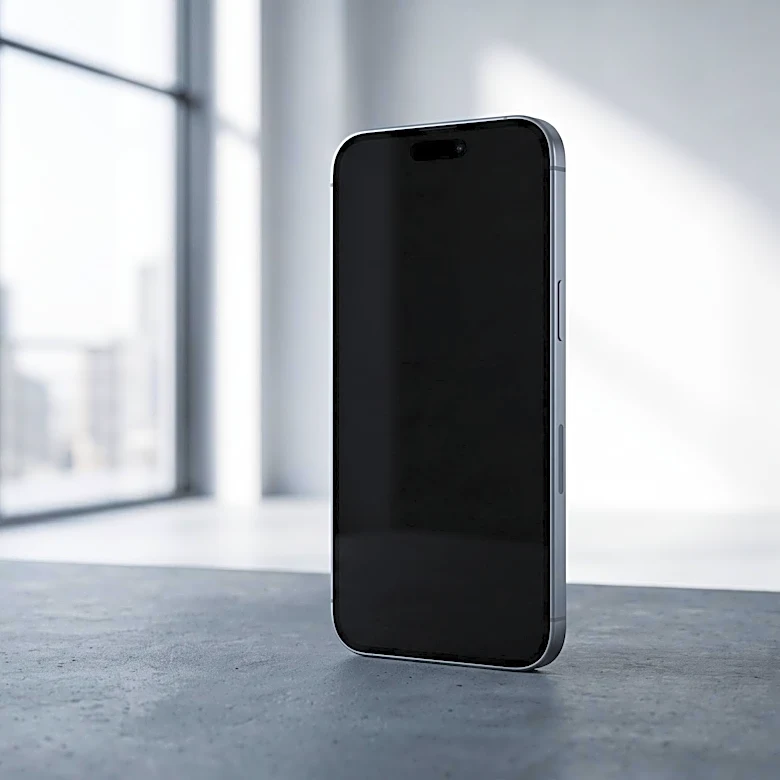
Look at the new iPhone 18 Pro, and you can see Ive's principles endure. While the overall design is an iteration on last year's model, the refinements are pure Ive. Reviewers note the introduction of new colors like 'Glacier,' a subtle, icy blue that speaks to Ive's focus on sophisticated finishes. The obsession with making the hardware feel like a single, seamless object continues with a more color-matched back, blending the glass and aluminum housing into a more unified whole. Even the reported shrinking of the Dynamic Island by 35% follows the classic Ive playbook: relentlessly minimize any feature that obstructs the purity of the screen. It’s a continuation of the same drive for 'inevitable' design that defined his tenure.
A Quiet Departure from Dogma
However, the iPhone 18 also showcases how Apple's current design team is subtly moving out of Ive's shadow. Where Ive sometimes prioritized form over function—a criticism leveled at products like the buttonless iPod Shuffle or the Magic Mouse with its awkward charging port—the new era seems more focused on practical refinement. Since Ive's departure, his successors Evans Hankey and Alan Dye have overseen changes that re-emphasize function. We saw this with the removal of the polarizing Touch Bar from MacBooks and the return of ports professionals needed. On the iPhone 18, this new pragmatism is visible in smaller ways. The design is largely unchanged from the iPhone 17, suggesting a focus on internal upgrades like a more efficient A20 Pro chip and a larger battery rather than a purely aesthetic overhaul. It's less about revolutionary new forms and more about improving the user's day-to-day reality, a slight but significant philosophical shift.
From Shadow to Foundation
The conversation around a new iPhone often centers on whether it's a revolutionary leap or a 'boring' iteration. The iPhone 18 is facing similar critiques. But this view misses the bigger picture. Apple is no longer the company that needs to prove itself with radical new designs every year. The revolution Ive helped start has become the industry standard. Now, the challenge is different: how to evolve a design language that is already iconic without breaking it. The iPhone 18 suggests an answer. It retains the core principles of care, material honesty, and precision that Ive instilled in the company's DNA. But it also demonstrates a willingness to prioritize practical, user-centric improvements over aesthetic purity for its own sake. The shadow of Jony Ive isn't a burden; it has become the bedrock upon which Apple now builds.