






The Battleground Isn't Features, It's Fear
For the past two years, the generative AI race has been a frenzy of feature one-upmanship. But as the dust settles, enterprise customers are asking a scarier question: what is this technology doing with our data? This is the fear Salesforce is targeting.
The centerpiece of its Dreamforce announcements was the Einstein 1 Platform, a relaunch of its core platform designed as a trusted AI system. This isn't just about security in the traditional sense. A key tenet is ensuring a company’s proprietary sales data, customer lists, and internal knowledge are not used to train the large language models (LLMs) that power public AI tools. It directly addresses the single biggest hesitation for any CEO: the risk that their most valuable intellectual property could be absorbed by a third-party AI, effectively training their competition.
A Promise Competitors Struggle to Make
This is where the argument gets uncomfortable for rivals like Google and Microsoft. A core advantage for these tech giants is their access to unimaginably vast datasets, which they use to build and refine their foundational AI models. Their scale is their strength. But in the context of enterprise trust, Salesforce is reframing that strength as a potential liability. It's much harder for companies whose business models rely on data aggregation to make an ironclad promise that your data will never, ever be used for their benefit. Salesforce, on the other hand, is building its strategy around what it calls a 'Trusted Enterprise AI Harness' and a 'Security Keynote' dedicated to 'Trust Across Agents, Data, and Platforms'. The message is clear: our platform is a vault, not a sponge. This forces a difficult conversation for competitors, who must now prove not just the intelligence of their AI, but the integrity of their data handling.
From AI Laggard to Trust Leader
Let’s be honest: for a while, Salesforce looked like it was playing catch-up on generative AI. While others were dazzling the world with chatbots, Salesforce was seen as an incumbent trying to bolt on new technology. The 'trust' pivot is a brilliant strategic maneuver to turn a perceived weakness into a core strength. Instead of fighting a battle over who has the most advanced model—a fight it might not win against model creators like OpenAI or Google—Salesforce has changed the terms of the debate. The conversation, as framed by CEO Marc Benioff, is now about becoming a trusted 'Agentic Enterprise'. The company is leveraging its decades-long reputation as a custodian of sensitive customer relationship management (CRM) data. It's a classic case of leaning into your brand identity. The product isn't just the AI agent; it's the guarantee that the agent works only for you.
Setting a New Standard for the Industry
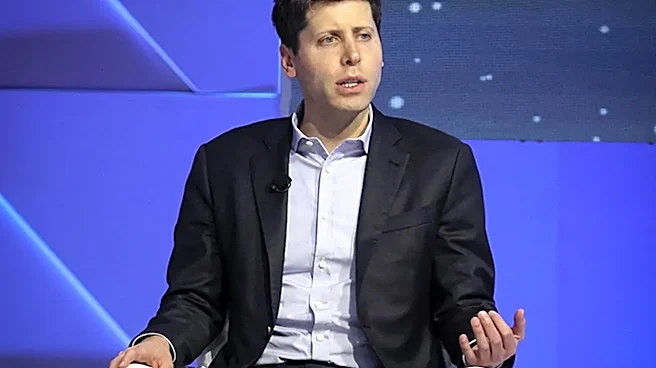
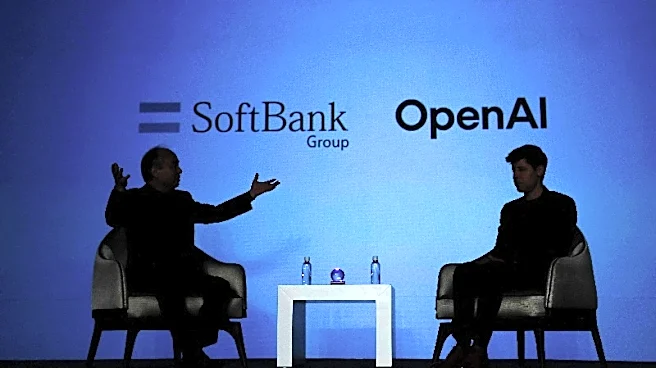
The ripple effects of this strategy could be significant. By making data privacy and trust a primary selling point, Salesforce is forcing the entire enterprise AI market to become more transparent. Customers are now being trained to ask pointed questions about data governance, and competitors will be compelled to provide clearer answers. Even Salesforce's partnership with OpenAI's Sam Altman, who appeared on stage at Dreamforce, was framed around turning powerful intelligence into 'trusted tools for business'. This elevates the conversation beyond pure capability and toward accountability. For years, consumers have slowly accepted that if a product is free, you are the product. Salesforce is making a powerful argument to the business world: with our AI, your data will never be the product. Trust is.