



The Unlikely Proving Ground
Before smart speakers listened for your voice or thermostats learned your habits, appliance makers were trying to build electronics that could survive for a decade in a hostile environment. The laundry room—with its high humidity, constant vibrations,
and often spotty Wi-Fi—is a terrible place for sensitive hardware. Unlike a smartphone that gets replaced every few years, a washing machine is a long-term investment. This forced a different kind of innovation, one focused on extreme durability, reliability, and 'calm technology' that works without demanding attention. This need for robust, long-lasting electronics created a blueprint for other devices intended to fade into the background of our lives.
Smarter Sensors for a Messier World
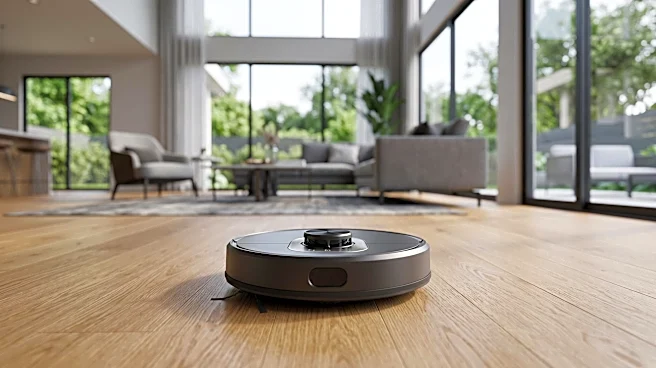
The sensor revolution didn't start with fitness trackers; it was arguably perfected in the washing machine. As early as the 1980s and 90s, manufacturers began adding sensors to optimize water and energy use. Modern washers use an array of them to detect load size, water turbidity (how dirty the water is), and balance, while dryers use moisture sensors to stop the cycle at the perfect time, preventing over-drying. This focus on sensing messy, real-world conditions—not just clean digital inputs—paved the way for the robust sensors now found in everything from robot vacuums navigating a cluttered floor to smart air purifiers monitoring air quality.
Solving the Connectivity Puzzle
Getting a device to reliably connect to the internet from a basement or a closet tucked away in the corner of a house is a significant challenge. Long before 'whole-home Wi-Fi' was a common marketing term, laundry appliance makers were grappling with how to keep their machines online. This early struggle forced the development of more resilient connectivity hardware and software, influencing the design of countless other Internet of Things (IoT) devices that need to function far from the router. The ability to receive a notification on your phone when a cycle is done seems simple, but it was built on years of solving for the worst-case connectivity scenarios.
The 'Set It and Forget It' Interface
Unlike a TV or a laptop, you don't 'engage' with a washing machine. The ideal interaction is minimal: select a cycle and walk away. This principle of 'assisted simplicity' has profoundly shaped user interface (UI) design. Appliance designers learned that overwhelming users with options was a mistake; the goal was to make the technology disappear. Features like AI-powered cycle selection, where the machine detects the fabric and chooses the best settings, are prime examples. This philosophy of automating complex decisions in the background is now a core tenet of good design in smart home devices, from lighting systems that adjust automatically to security cameras that learn to ignore irrelevant motion.