




The Cloud Isn't a Cloud
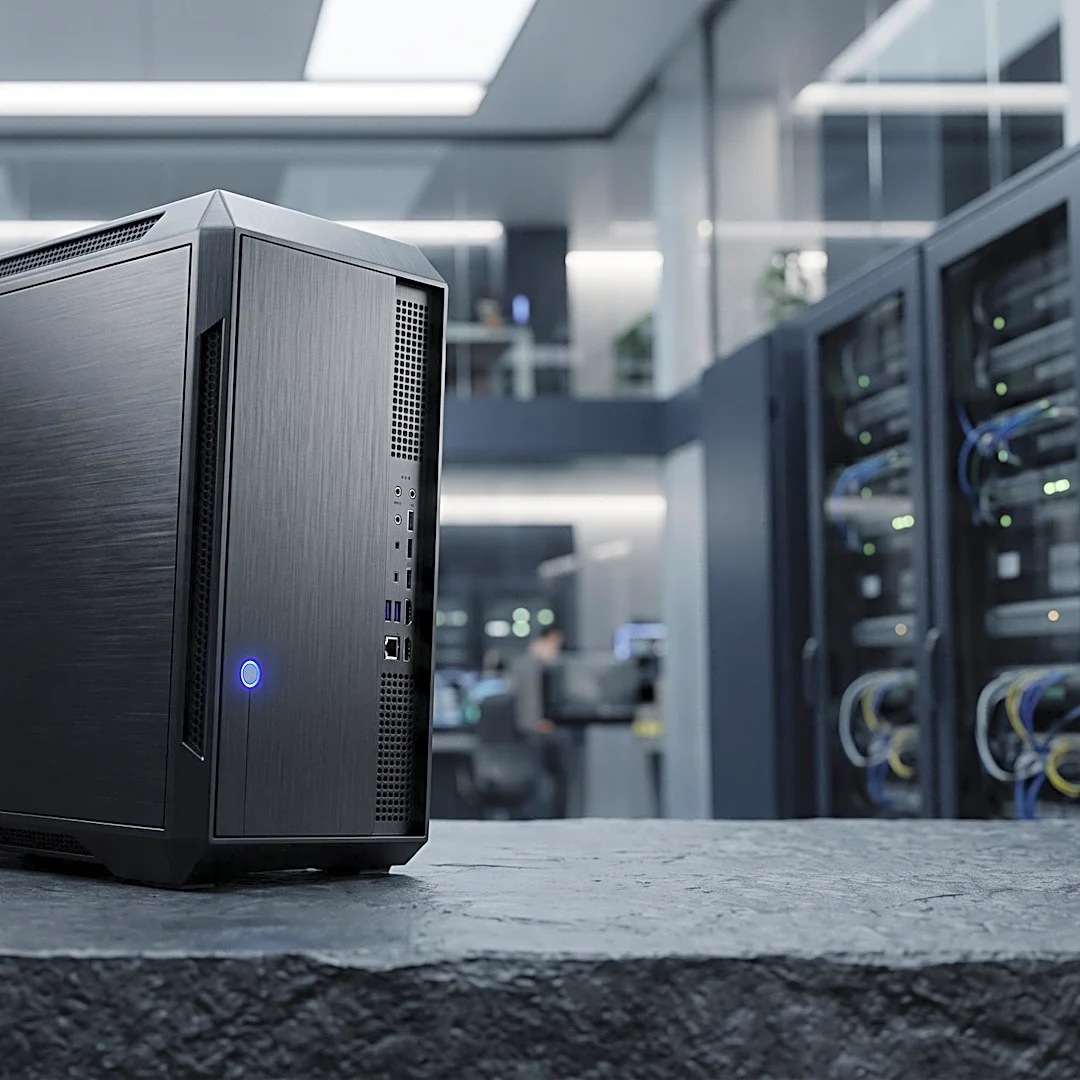
Let’s get the biggest misconception out of the way first. The 'cloud' is just a marketing term for someone else’s computer. When you upload a photo or stream a movie, that data isn't floating in the ether. It’s physically stored on servers in massive,
power-hungry buildings called data centers. These centers, often owned by giants like Amazon, Google, and Microsoft, are the brains of the internet. But the real magic isn't just where the data is stored; it's how it gets from a server in Virginia to your phone in California or your cousin's laptop in France. That journey doesn't happen wirelessly.
Meet the Real Internet: Undersea Cables
The true backbone of the internet is a colossal network of physical cables laid across the ocean floor. More than 97% of all international data—emails, financial transactions, video calls, everything—travels not through satellites, but as pulses of light through bundles of glass fibers thinner than a human hair. These fiber-optic strands are wrapped in protective layers of plastic, steel, and copper, forming submarine cables often no thicker than a garden hose. This network is vast, spanning over 1.4 million kilometers worldwide, enough to circle the Earth more than 35 times. They are incredible feats of engineering, laid by special ships that carefully plot routes to avoid coral reefs, sunken ships, and treacherous terrain.
Who Owns These Digital Highways?
Here's where it gets interesting from a business and power perspective. No single country or entity owns the internet. For decades, telecom companies like AT&T formed consortiums to fund and build these expensive underwater highways. However, in the last decade, there's been a major shift. The biggest players in building and owning new cables are now the tech giants themselves: Google, Meta (Facebook), Microsoft, and Amazon. They need staggering amounts of bandwidth to support their global cloud services and data centers. By financing their own private cables, like Google’s 'Curie' cable connecting the U.S. to Chile, they gain direct control over their data flow, ensuring speed and reliability for their own services. The internet's physical layer is increasingly a privately owned asset.
A Surprisingly Fragile Foundation
Despite their importance, these cables are shockingly vulnerable. While they are armored, they can be damaged. In fact, there are between 150 and 200 accidental cable damages every year. The most common culprits aren't sharks (a popular myth, though it has happened), but human activities like fishing trawlers and ship anchors dragging along the seabed. Natural events like underwater landslides can also sever connections. When a major cable is cut, the effects can be immediate. In early 2025, when several cables were damaged in the Red Sea, a crucial chokepoint for data between Europe and Asia, a significant percentage of traffic between the continents was affected. Data is automatically rerouted, but this can lead to slower speeds and congestion, illustrating just how dependent our 'wireless' world is on these very physical, very breakable tubes.