
The Keynote vs. The Code
To understand the annual WWDC detective work, you have to know the difference between the show and the substance. The opening keynote is a highly polished, public-facing presentation. It’s where Tim Cook
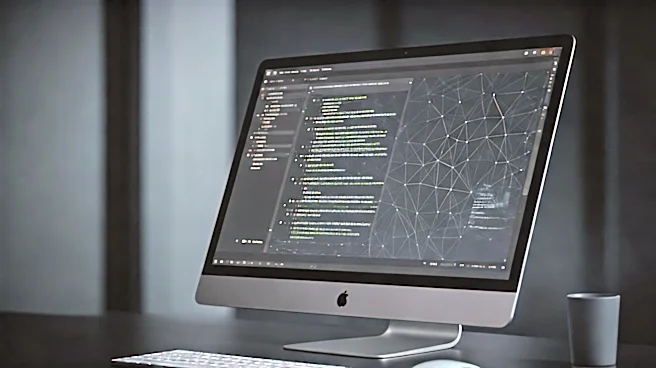
and other executives unveil the big-ticket items: the next version of iOS, major new features, and occasionally, new hardware. It’s theater, designed for maximum press coverage and consumer excitement. The real action for clue-hunters begins after the keynote ends. Apple releases hundreds of hours of deep-dive video sessions aimed at developers. These are dense, technical walkthroughs on how to implement new software tools (APIs) and frameworks. On the surface, they’re about as exciting as watching paint dry. But within these dry presentations, Apple engineers sometimes have to use examples, placeholder text, and code snippets that, intentionally or not, reveal details about the company's future roadmap.
What Are They Looking For?
The digital sleuths aren't just watching; they're dissecting. They're looking for specific types of clues. First are new APIs that don’t have an obvious current use. For example, a new framework for advanced depth-sensing or eye-tracking might appear a year or two before a device that can use it, like the Vision Pro, is actually announced. Second, they scrutinize code strings and file names. The discovery of “realityOS” and “xrOS” in Apple’s codebases years before the Vision Pro was unveiled was a classic example. These aren't mistakes; they are necessary artifacts of the development process. Third, they look at user interface elements in developer tools like Xcode. A new button style or layout template demonstrated in a niche session can foreshadow a system-wide design overhaul in the next major OS release.
The Ghost of Products Past
This isn't just a theoretical exercise; it has a long history of paying off. Before the Apple Watch introduced a variable refresh rate display to save battery, sessions on watchOS development contained clues about managing power for dynamic screen updates. The “Dynamic Island,” the pill-shaped cutout on modern iPhones, was foreshadowed by developer documentation about new ways for apps to present live activities and notifications around the camera area. Even the transition to Apple's own M-series chips was telegraphed. Developers noticed that Apple was pushing them to compile their apps for ARM architecture on the Mac, a clear signal that the company was preparing to move away from Intel processors long before the official announcement was made. Each discovery reinforces the belief that the sessions are a Rosetta Stone for Apple's future.
A Culture of Secrets and Speculation
So why does Apple allow this? The company is famously secretive, yet these breadcrumbs keep appearing. The answer is twofold. First, developers genuinely need a heads-up, even a subtle one, to prepare their apps for future hardware and software. A surprise API change can break thousands of apps, so Apple has to seed its new technologies in advance. Second, this culture of speculation is, in a way, part of Apple's marketing genius. It creates a dedicated community of engaged, expert-level fans who generate buzz and analysis for free. It keeps the conversation about Apple going year-round and builds anticipation to a fever pitch. The company gets to maintain plausible deniability—it never *officially* announced anything—while letting its most dedicated followers feel like they're on the inside track. It's a perfectly calibrated system of controlled leaks that rewards the most attentive.