








The Dream of Onboard Connectivity
In the modern boating world, reliable internet isn't a luxury; it's a core utility. From downloading weather charts and updating navigation software to streaming movies on a quiet evening or handling a work video call from the deck, the demand for robust
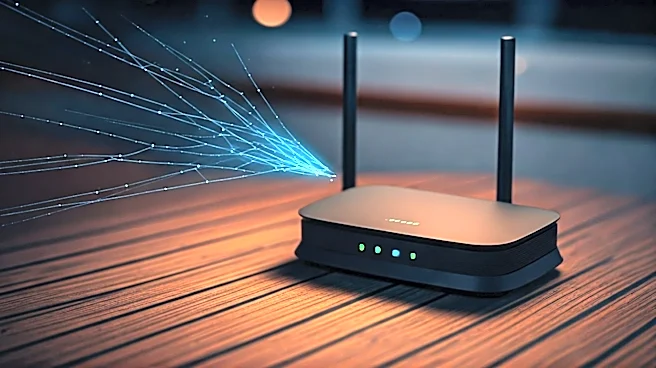
Wi-Fi at sea has never been higher. Mesh network systems, which use multiple nodes to create a single, unified wireless network, seem like the perfect solution. They promise to eliminate dead zones by blanketing the entire vessel—from the cabins below to the flybridge up top—in a strong, consistent signal. For many boat owners, the plan is simple: buy a popular consumer mesh kit, plug it in, and enjoy land-like internet speeds on the water.
The Land-Based Mistake
Here's where things go wrong. Most people, including tech-savvy installers, treat a boat like a house that just happens to float. They take a home mesh system, scatter the nodes, and expect it to perform flawlessly. But a boat is a uniquely hostile environment for sensitive electronics. First, the physical structure itself is a signal-killer. Materials like steel bulkheads, fiberglass hulls, and even the water your boat sits in can block and degrade Wi-Fi signals in ways that drywall and wood never would. Moreover, a marina is a hotbed of radio frequency (RF) congestion, with dozens of other Wi-Fi networks, marine radars, and onboard electronics all competing for airwave space and creating interference.
The Hidden Culprit: Electrical Noise
While signal obstruction is a known challenge, the true hidden detail that most engineers skip is far more fundamental: unstable power and electrical interference. Unlike a home with a steady supply from the grid, a boat’s electrical system is a chaotic environment. Power comes from multiple sources—shore power, generators, inverters, and battery banks—and switching between them can cause voltage spikes and drops. Furthermore, nearly every device on board, from engine alternators and air conditioners to LED light dimmers and trolling motors, generates electromagnetic interference (EMI), or "electrical noise." Consumer-grade mesh routers are not designed to handle this. They expect clean, stable power. When fed "dirty" power, they can lock up, restart randomly, or exhibit intermittent connection drops that are maddeningly difficult to diagnose.
The Marine-Grade Solution
Fixing this isn't about buying a more powerful antenna; it's about building a stable foundation. The solution starts with the power supply. Instead of plugging your sensitive network gear directly into any available AC outlet, you need to provide it with clean, conditioned power. This can be achieved by powering the mesh nodes with a dedicated, high-quality DC power source if the hardware supports it, or by plugging the AC adapters into a ferrite-core filter or an uninterruptible power supply (UPS). A UPS not only smooths out voltage fluctuations but also keeps your network running during power source switchovers. Separating power cables from antenna and data cables is another crucial step to prevent EMI from "bleeding" into your network. By addressing the electrical environment first, you eliminate the root cause of instability that plagues so many marine mesh setups.